How to Prune Wedgeleaf eryngo?
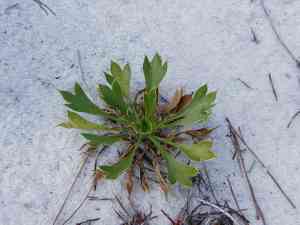
Eryngium cuneifolium displays unique blue-green leaves and a sturdy, structured appearance. The most effective time for trimming is from late winter to early spring. Start by eliminating any deceased or injured stalks to stimulate vigorous new development. Reducing dense sections enhances air movement and light exposure. Deadheading faded blooms encourages more prolific flowering and preserves the plant's contour. Trimming additionally aids in averting illnesses and infestations. These methods guarantee a thriving, visually appealing Eryngium cuneifolium.
What Are the Benefits of Pruning Wedgeleaf Eryngo?
What Are the Benefits of Pruning Wedgeleaf Eryngo?
Pruning wedgeleaf eryngo encourages robust development and maintains its form. This practice aids in boosting flowering, managing plant size, enhancing appearance, and fending off pests and diseases, ensuring healthier, more vigorous growth.
What Is the Best Time for Pruning Wedgeleaf Eryngo?
What Is the Best Time for Pruning Wedgeleaf Eryngo?
Trimming wedgeleaf eryngo in late winter or early spring is ideal as it aligns with the plant's dormant phase, minimizing stress and disease risk. These periods precede the active growth stage of wedgeleaf eryngo, enabling rapid healing and fostering strong new growth. Pruning before the growing season begins also ensures energy is directed towards developing healthy shoots and foliage, improving the plant's overall health and bloom potential.
What Tools Do I Need to Prune Wedgeleaf Eryngo?
Bypass Pruners
Perfect for making clean cuts on living stems and branches. Useful for shaping and removing dead or unhealthy tissue on wedgeleaf eryngo.
Anvil Pruners
Best for cutting through thicker stems and woody parts. Effective in managing any tough or dead material found in wedgeleaf eryngo.
Pruning Shears
Ideal for detailed trimming and deadheading. Helps in keeping wedgeleaf eryngo neat and encouraging healthy growth.
Hand Saw
Necessary for cutting through any larger, woody components. Handy for older or mature wedgeleaf eryngo that might develop thicker stems.
Sterilizing Solution
Essential for cleaning tools between cuts to prevent the spread of disease. Ensures that wedgeleaf eryngo remains healthy after each pruning session.
How to Prune Wedgeleaf Eryngo
Inspection
Carefully examine wedgeleaf eryngo for any indications of diseased or withered leaves.
Disinfect
Sanitize your pruning shears or scissors with rubbing alcohol or a bleach solution to prevent disease transmission.
Remove Diseased Leaves
Identify leaves affected by disease (e.g., discoloration, spots) and cut them away from the stem. Ensure cuts are made cleanly to avoid damaging healthy tissue.
Remove Withered Leaves
Trim the withered leaves by cutting them back to the base of their stems, making sure not to damage any emerging growth or buds.
Dispose Properly
Dispose of all pruned material in a sealed bag and discard it appropriately to prevent the spread of disease.
Common Pruning Mistakes with Wedgeleaf Eryngo
Excessive pruning
Trimming too much at once can stress wedgeleaf eryngo, potentially leading to poor growth or death. Removing more than a third of the plant at a time is usually excessive.
Improper tools
Using dull or dirty pruning tools can damage the plant tissue, making wedgeleaf eryngo susceptible to disease and pest infestations.
Wrong technique
Cutting branches unevenly or too close to the main stem can cause damage and inhibit proper healing. Properly angled cuts are crucial.
Late pruning
Pruning too late in the growing season can remove new growth or flower buds, reducing the plant's bloom potential for the following year.
Ignoring deadwood
Failing to remove dead or diseased wood can allow diseases to spread throughout wedgeleaf eryngo, compromising the plant's health.
Common Pruning Tips for Wedgeleaf Eryngo
Use sharp, clean tools
Always use sharp and sterilized pruning shears to make clean cuts and prevent the transmission of diseases.
Make precise cuts
When pruning branches, make cuts at a 45-degree angle just above a leaf node or bud to promote healthy new growth.
Thin selectively
Focus on thinning out congested areas to allow light and air to penetrate, improving overall plant health and reducing the risk of fungal infections.
Target dead and diseased wood
Regularly inspect wedgeleaf eryngo and remove any dead, damaged, or diseased branches to maintain plant health and aesthetics.
Step back and evaluate
Periodically step back while pruning to evaluate the plantâs shape and structure, ensuring you maintain its natural form and avoid over-pruning.



