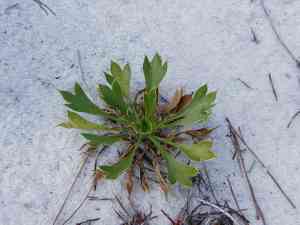
Wedgeleaf eryngo (Eryngium cuneifolium)
Also known as: Wedgeleaf eryngo
The wedgeleaf eryngo, a rare plant native to Florida's scrublands, has been listed as threatened and endangered by the US Fish and Wildlife Service. Its status is attributed to its extreme rarity and specific germination needs, which require fire to clear leaf litter and lichen.
In This Article
Attributes of Wedgeleaf eryngo
Lifespan
Perennial
Plant Type
Herb
Plant Height
Up to 30 cm
Spread
Up to 15 cm
Leaf Color
Bluish-green
Flower Size
1-2 cm
Flower Color
Blue or purple
Images of Wedgeleaf eryngo
Quickly Identify Wedgeleaf eryngo
1
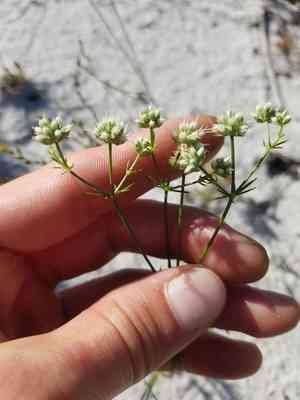
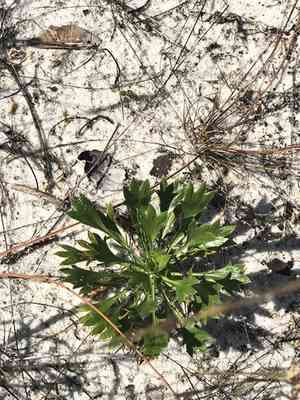
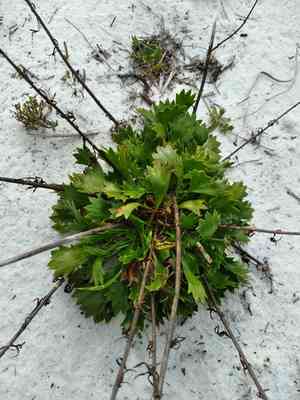
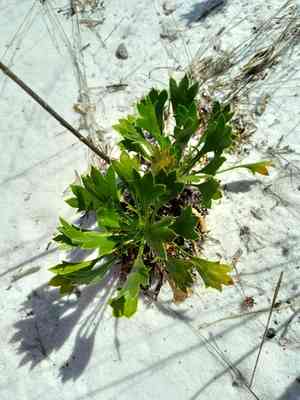
Identify Eryngium cuneifolium by its distinctive wedge-shaped leaves, blue or purple flowers, and short, compact growth habit. The leaves have a serrated edge and are often bluish-green in color.
Scientific Classification of Wedgeleaf eryngo
Phylum
Vascular plants
Class
Dicotyledons
Order
Apiales
Family
Umbellifers
Genus
Eryngos
Species
Wedgeleaf eryngo
Planting and Growing of Wedgeleaf eryngo
Care Difficulty
Moderate
Watering Schedule
Every 2 days
Sunlight Requirements
Full sun
Sunshine Duration
4-8 hours
Ideal Temperature
70-85℉
Soil Type
Potting Mix, Peat Mix
Soil pH
6.5-7.5
Fertilizer Type
Balanced
Pruning Season
Spring, Summer
Pruning Area
Branches, Leaves
Pruning Frequency
2 times a year
Repotting Season
Spring
Pot Type
Plastic, Ceramic
 How to Water Wedgeleaf eryngo?
Eryngium cuneifolium requires a modest watering amount of about 100 milliliters per session. The key is to avoid soaking the plant or having waterlogged soil. Aim to keep the soil lightly moist rather than drenched. Water thoroughly, allowing the water to completely seep down to the roots without overflowing the pot’s drainage system.
What are the symptoms of an underwatered Wedgeleaf eryngo?
›
What should I do if my Wedgeleaf eryngo is not getting enough water?
›
What are the symptoms of an overwatered Wedgeleaf eryngo?
›
How to save an overwatered Wedgeleaf eryngo?
›
 What Are the Sunlight Requirements for Wedgeleaf eryngo?
Eryngium cuneifolium requires full sun for optimal growth. This ensures it blooms fully and maintains robust health, equipping it for resistance against common pests and diseases.
What are the ideal light conditions?
›
Why is this light essential?
›
How to achieve optimal lighting?
›
 What Is the Ideal Temperature Range for Wedgeleaf eryngo?
Eryngium cuneifolium thrives best within a temperature range of 70 to 85°F. Maintaining this range is crucial as it is optimal for photosynthesis and healthy growth. This specific range ensures that the plant's cellular processes can proceed without stress, leading to robust development.
 What Soil is Best for Wedgeleaf eryngo?
Eryngium cuneifolium thrives in well-drained soil, ensuring that excess water quickly flows away, preventing root rot and fungal diseases that can damage the plant. This plant is accustomed to nutrient-poor environments, which encourages it to develop deep roots and enhances its natural toughness. Eryngium cuneifolium prefers a moderately alkaline pH range from 6.5 to 7.5, which supports its growth patterns and flowering processes.
 How to Fertilize Wedgeleaf eryngo?
For Eryngium cuneifolium, it is best to use a balanced liquid fertilizer diluted to half strength. Apply approximately 100-150 ml per application, ensuring not to saturate the soil. This amount nourishes the plant adequately without overwhelming its delicate roots. Keep in mind that over-fertilization can harm the plant, so precise measurement is crucial.
 How to Prune Wedgeleaf eryngo?
Begin by removing any dead or damaged stems. Use sharp scissors or pruning shears and make clean cuts close to the base but above the plant's crown to facilitate healthier growth. Eryngium cuneifolium tends to grow in a somewhat untamed manner. Focus on shaping it by trimming back long, errant stems. Aim to maintain an even, rounded shape to prevent it from becoming too leggy or unbalanced. After pruning, water the plant adequately and consider applying a light layer of mulch around the base to retain moisture. This aids in recovery and fosters robust new growth.
More About Pruning Techniques→
 How to Propagate Wedgeleaf eryngo plant?
1
Collect seeds from mature Eryngium cuneifolium plants when the seed heads have turned brown and started to dry out. For cuttings, use sharp pruning shears to cut 4 to 6-inch sections of healthy stems.
2
For seeds, fill seed trays with a well-draining mix like a half-and-half combination of peat and perlite. For cuttings, use a similar mix, slightly more on the perlite side for added drainage.
3
Sow seeds on the surface of the soil and lightly cover them. For cuttings, plant them at a slight angle into the soil mix. Mist lightly and place in indirect sunlight. Maintain moderate humidity and even moisture to encourage growth.
 How to Repot Wedgeleaf eryngo plant?
1
The best time to repot Eryngium cuneifolium is when you notice that its roots are peeking out of the drainage holes or when its growth seems stunted. These signs indicate that the plant has outgrown its current pot, and repotting is needed to provide more room for the roots to expand and nutrients to be absorbed.
2
Select a pot that is slightly larger than the current one, ideally 1-2 inches bigger in diameter. Ensure it has adequate drainage holes to prevent waterlogging, which can lead to root rot. Using a pot made from breathable materials, like terracotta, is beneficial as it allows better air exchange and moisture control.
3
Opt for a well-drained sandy soil mix to emulate Eryngium cuneifolium's natural habitat. This type of soil prevents water from stagnating and ensures good air circulation around the roots. Adding some perlite or coarse sand can further enhance drainage and soil aeration.
Learn More About Wedgeleaf eryngo Diseases
Anthracnose
Bacterial Leaf Spot
Bacterial Soft Rot
Bacterial Wilt
Chemical Injury
Crown Gall
Cyst Nematode
Damping-off
Downy Mildew
Drought Stress
Fusarium Wilt
Gray Mold
Leaf Spot
Mosaic
Nutrient Deficiency
Nutrient Toxicity
Powdery Mildew
Root Rot
Root-knot Nematode
Rusts
Sooty Mold
Spider Mites
Temperature Stress
Thrips Damage
White Mold



