How to Propagate Wedgeleaf eryngo?
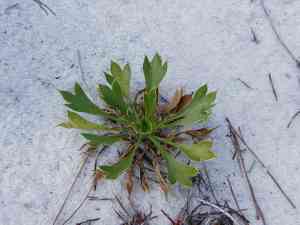
Eryngium cuneifolium, a distinctive species within the Apiaceae family, is recognized by its characteristic wedge-shaped foliage and prominent blossoms. For reproduction, seed planting is advised. The seeds ought to be placed on damp, adequately draining soil and gently concealed. Maintaining sufficient hydration is crucial throughout the sprouting period. Place the seeds in a brightly lit area to optimize their developmental capacity. Perseverance is essential, given that germination may proceed at a somewhat unhurried pace.
Optimal Period for Wedgeleaf Eryngo Propagation
Propagation Method
Sowing
Propagation Period
Spring
Tools for Wedgeleaf Eryngo Propagation
Seed Tray
A shallow container for starting seedlings. It offers a controlled setting for wedgeleaf eryngo seeds to sprout and grow before being transplanted. Crucial for providing seeds with ample room and correct soil depth.
Seed Compost
A specialized growing medium that supplies the necessary nutrients and texture for wedgeleaf eryngo seeds to germinate healthily. It ensures good drainage and aeration, vital for preventing rot and encouraging root growth.
Misting Bottle
A device used to gently moisten seeds without disturbing the soil surface. Consistent misting keeps the seeds damp, which is essential for wedgeleaf eryngo to germinate successfully.
Heating Mat
A pad placed beneath the seed tray to provide steady bottom warmth. This simulates warm soil conditions, accelerating the germination process for wedgeleaf eryngo, which can be temperature-sensitive.
Humidity Dome
A clear cover placed over the seed tray to maintain high humidity levels. This tool is important for wedgeleaf eryngo as it helps retain moisture and creates a favorable microclimate for seed germination.
Seedling Transplanting Tool
A small hand implement used for safely lifting seedlings from the seed tray for transplanting without damaging their roots. This tool is critical to ensure wedgeleaf eryngo seedlings are handled delicately during transfer.
Plant Labels
Markers used to identify different seedlings. These help track the growth of wedgeleaf eryngo and ensure the correct care is given to each plant.
Sterile Gloves
Worn to prevent contamination of seeds and soil. Using gloves ensures the propagation of wedgeleaf eryngo is carried out in a clean environment, reducing the risk of disease.
Propagating Wedgeleaf Eryngo
Propagation Type
Easy
Caring for Newly Propagated Wedgeleaf Eryngo
Caring for Newly Propagated Wedgeleaf Eryngo
After transplanting, water wedgeleaf eryngo regularly but sparingly, allowing the soil to dry between waterings to prevent root rot. Mulch around the base of the plant to retain moisture and control weeds. Prune spent flowers to encourage new growth and maintain a tidy appearance. Wedgeleaf eryngo thrives with minimal fertilization, but a light application of a balanced, slow-release fertilizer in the spring can support healthy growth. Regularly check for pests or disease and act promptly to address any issues.
Common Propagation Errors for Wedgeleaf Eryngo
Overwatering
Excess moisture can lead to root rot, as wedgeleaf eryngo prefers well-drained soil.
Using the Wrong Soil
Heavy, clay-based soil can impede root growth and proper drainage, essential for wedgeleaf eryngo's development.
Improper Light Conditions
Insufficient sunlight can hinder wedgeleaf eryngo's growth, as it thrives in full sun environments.
Inadequate Spacing
Not allowing enough space can lead to overcrowding, which restricts airflow and increases the risk of disease.
Neglecting Seed Treatment
Not scarifying or stratifying seeds might result in poor germination rates for wedgeleaf eryngo.
Incorrect Watering Schedule
Inconsistent watering patterns can stress the plant, leading to weak growth and poor root development.
Tips for Propagating Wedgeleaf Eryngo
Use Well-Drained Soil
Ensuring soil is well-drained helps prevent root rot and supports healthy root development for wedgeleaf eryngo.
Maintain Proper Spacing
Allow adequate space between plants to ensure good airflow and reduce disease risk.
Full Sun Exposure
Place wedgeleaf eryngo in a location where it can receive full sunlight to promote robust growth.
Seed Scarification
Lightly scarify seeds before planting to improve germination rates and speed up seedling emergence.
Regular Watering
Establish a consistent watering pattern, ensuring soil remains moist but not waterlogged.
Monitor for Pests
Regularly check for pests and use appropriate organic controls, as pest infestations can weaken wedgeleaf eryngo and impair its propagation success.



