How to Prune Alpine golden buckwheat?
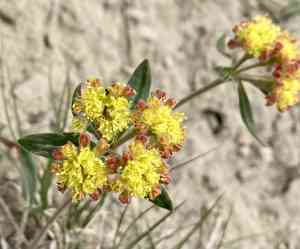
Eriogonum umbellatum flourishes in high-altitude settings, displaying yellow blossoms. The ideal period for trimming is in late winter or early spring, right before fresh development commences. Remove any withered or compromised stalks to foster more robust growth and enhance air movement. Refrain from excessive cutting, concentrating on gently contouring the specimen. Consistent trimming stimulates thicker foliage and a greater abundance of flowers. Refer to botanical resources for specific care instructions adapted to local weather conditions.
What Are the Benefits of Pruning Alpine Golden Buckwheat?
What Are the Benefits of Pruning Alpine Golden Buckwheat?
Trimming alpine golden buckwheat encourages robust development and maintains its form. Regular trimming helps manage the plant's size, promotes healthy growth, and improves its overall look.
What Is the Best Time for Pruning Alpine Golden Buckwheat?
What Is the Best Time for Pruning Alpine Golden Buckwheat?
These periods are considered ideal for trimming alpine golden buckwheat as they coincide with the plant's dormant phase. Pruning in early spring or late winter helps minimize plant stress and fosters healthier growth. During these times, alpine golden buckwheat is less likely to produce new growth, which could be susceptible to frost or harsh weather. Additionally, pruning before the active growing season allows the plant to direct energy into new growth and blooms, resulting in a more vigorous and visually appealing display during its flowering period.
What Tools Do I Need to Prune Alpine Golden Buckwheat?
Bypass Pruners
Perfect for precise cuts on live stems and branches up to 1/2 inch in diameter. Delivers clean cuts that encourage healthy regrowth.
Pruning Shears
Useful for snipping smaller, delicate branches and stems, helping maintain the plant's shape without causing excessive harm.
Pruning Saw
Best for larger, woody stems typically exceeding 1/2 inch in diameter. Ensures a clean cut without tearing or damaging the plant's structure.
How to Prune Alpine Golden Buckwheat
Inspect
Thoroughly examine alpine golden buckwheat for any indications of disease or wilting. Focus on identifying diseased and withered leaves that need removal.
Sanitize
Before making any cuts, disinfect your pruning tools with a solution of one part bleach to nine parts water to prevent disease transmission.
Remove diseased leaf
Carefully trim away any diseased leaves at their base where they connect to the stem, ensuring you do not harm healthy tissue.
Remove withered leaf
Remove withered leaves by cutting them off at their base. Ensure a clean cut to avoid creating wounds that might attract disease.
Dispose
Safely dispose of the pruned diseased and withered leaves in a sealed bag or burn them to prevent any potential spread of pathogens.
Common Pruning Mistakes with Alpine Golden Buckwheat
Over-pruning
Removing too much foliage at once can stress alpine golden buckwheat, impeding its growth and potential flowering.
Improper cuts
Using dull or unsuitable tools can result in jagged cuts that may lead to diseases or pest infestations.
Pruning at the wrong time
While the season specifics are excluded, pruning during active growth periods can damage developing tissue and flowers.
Neglecting hygiene
Not cleaning pruning tools between cuts can spread diseases and pests from one part of the plant to another.
Common Pruning Tips for Alpine Golden Buckwheat
Use sharp, clean tools
Ensure your pruners or shears are sharp and sanitized to make clean cuts that heal quickly and reduce disease risk.
Make angled cuts
Cut at a 45-degree angle to promote water runoff and prevent water from pooling on cut surfaces, which can lead to rot.
Remove dead or damaged stems
Prune out any dead, diseased, or damaged stems first to maintain overall plant health and aesthetics.
Thin out dense areas
Remove some inner branches to increase air circulation and light penetration, which helps prevent fungal diseases and encourages robust growth.
Step back and evaluate
Periodically step back to assess the shape and fullness of alpine golden buckwheat to avoid over-pruning or creating imbalances in its form.



