How to Propagate Alpine golden buckwheat?
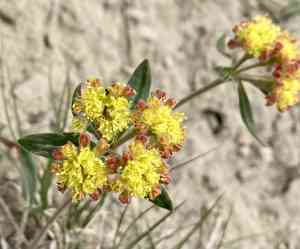
Eriogonum umbellatum var. aureum flourishes in porous, sandy substrates characteristic of mountainous regions. To propagate, disperse seeds within a cold frame or directly into prepared garden plots. Verify that the substrate is damp yet not oversaturated. Shield nascent sprouts from severe weather conditions by employing cloches or a cold frame. Consistently check hydration levels and offer partial shade to prevent undue sun exposure.
When Is the Optimal Time to Propagate Alpine Golden Buckwheat?
Propagation Method
Seeding
Propagation Period
Spring
What Equipment Is Used for Alpine Golden Buckwheat Propagation?
Seed Tray
A seed tray offers a controlled setting for planting alpine golden buckwheat seeds. It ensures consistent spacing and proper depth for germination.
Seed Starting Mix
A specialized seed starting medium provides ideal drainage and nutrients, vital for the delicate germination phase of alpine golden buckwheat.
Mister or Spray Bottle
Misting gently waters seeds without dislodging them, maintaining the damp environment required for alpine golden buckwheat seeds to sprout.
Heat Mat
A heat mat placed beneath the seed tray provides consistent warm temperatures, promoting quicker and more uniform germination of alpine golden buckwheat seeds.
Humidity Dome
A humidity dome retains moisture and warmth, creating the perfect microclimate for alpine golden buckwheat seed germination and initial growth.
Grow Lights
Grow lights provide essential illumination, ensuring that alpine golden buckwheat seedlings receive sufficient light during early stages, especially if natural light is inadequate.
Pencil or Dibber
A pencil or dibber helps create small depressions for sowing alpine golden buckwheat seeds at the correct depth, improving seed-to-soil contact and aiding germination.
Labels and Markers
Labels and markers help track alpine golden buckwheat seed varieties and planting dates, which assists in monitoring growth and provides valuable data for future propagation efforts.
How to Propagate Alpine Golden Buckwheat?
Propagation Type
Simple
How to Care for Your Newly Propagated Alpine Golden Buckwheat?
How to Care for Your Newly Propagated Alpine Golden Buckwheat?
Once alpine golden buckwheat seedlings have developed several true leaves and are robust enough to handle, transfer them into individual containers or a prepared garden bed. Ensure the soil drains well. Water them regularly but allow the soil to dry out between waterings to prevent root rot. Position the plants in a sunny spot and shield them from severe frost or extreme temperatures. Fertilize sparingly with a balanced, low-nitrogen fertilizer. Periodically check for pests and diseases, and address them promptly to maintain plant health.
Common Errors to Avoid When Propagating Alpine Golden Buckwheat
Overwatering
Excessive watering can lead to root rot as alpine golden buckwheat prefers well-drained soil. Too much moisture can suffocate the roots, causing plant decline.
Poor Soil Choice
Using nutrient-rich or clayey soil can impede alpine golden buckwheat's growth. Alpine golden buckwheat thrives in rocky or gritty soil, and heavy soil can result in poor drainage.
Insufficient Light
Placing alpine golden buckwheat in partial shade or low light can hinder its development. Alpine golden buckwheat requires full sun exposure for healthy growth.
Improper Spacing
Crowding alpine golden buckwheat can lead to poor air circulation, increasing disease risk. Adequate spacing is crucial for optimal growth and health.
Using Chemical Fertilizers
Avoid synthetic fertilizers as alpine golden buckwheat is adapted to nutrient-poor soils. Excessive nutrients can harm the plant and disrupt its natural growth.
Tips For Propagating Alpine Golden Buckwheat
Well-Drained Soil
Utilize a soil mix with excellent drainage. Incorporating sand or small gravel can help achieve the desired soil structure.
Full Sun Exposure
Alpine golden buckwheat needs at least six hours of direct sunlight daily. Ensure it is planted in a location that provides ample sunlight.
Modest Watering
Water alpine golden buckwheat sparingly, allowing the soil to dry out between waterings. This mimics its natural, arid environment and prevents root problems.
Spacing and Air Circulation
Space alpine golden buckwheat adequately to promote good air circulation. This reduces the risk of fungal diseases and encourages vigorous growth.
Organic Mulch
Use organic mulch like bark or wood chips to protect the roots and maintain soil moisture. Avoid using nutrient-rich mulch that could over-fertilize the plant.



