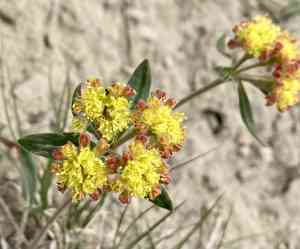
Alpine golden buckwheat (Eriogonum flavum)
Also known as: Piper's wild buckwheat
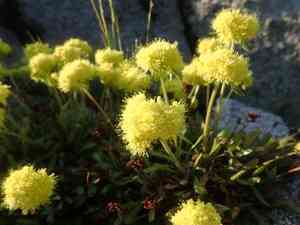
The alpine golden buckwheat is a resilient perennial herb characterized by its cushion-like growth. It prospers in rocky, well-drained soils and is often found in high-altitude, sun-exposed areas. During the summer, its vibrant yellow flower clusters stand out against its spoon-shaped to oval green leaves, creating a vivid contrast in the rugged landscapes it occupies. This plant is well-suited to endure the challenging conditions of its mountainous habitat.
In This Article
Attributes of Alpine golden buckwheat
Lifespan
Perennial
Plant Type
Herb
Plant Height
5-15 cm
Spread
10-30 cm
Leaf Color
Silver-gray
Flower Size
0.5-1 cm
Flower Color
Bright yellow
Images of Alpine golden buckwheat
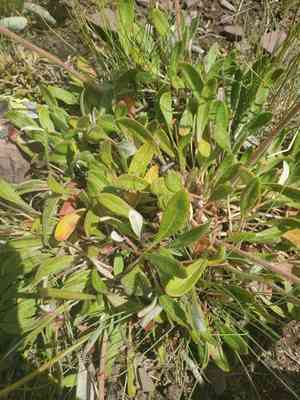
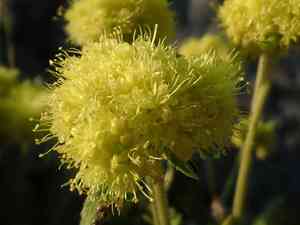
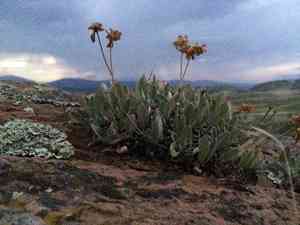
Quickly Identify Alpine golden buckwheat
1
Eriogonum flavum can be identified by its low-growing, mat-forming habit, bright yellow flower clusters, and its preference for well-drained, rocky soils. The leaves are typically woolly and silver-gray, arranged in a rosette at the base.
Scientific Classification of Alpine golden buckwheat
Phylum
Vascular plants
Class
Dicotyledons
Order
Caryophyllales
Family
Buckwheat
Genus
Wild Buckwheat
Species
Alpine golden buckwheat
Planting and Growing of Alpine golden buckwheat
Care Difficulty
Moderate
Watering Schedule
Every 2 days
Sunlight Requirements
Full sun
Sunshine Duration
6-10 hours
Ideal Temperature
50-70℉
Soil Type
Potting Mix, Peat Mix
Soil pH
6.5-7.5
Fertilizer Type
Balanced
Pruning Season
Spring, Summer
Pruning Area
Branches, Leaves
Pruning Frequency
2 times a year
Repotting Season
Spring
Pot Type
Plastic, Ceramic
 How to Water Alpine golden buckwheat?
Eriogonum flavum requires watering that allows the soil to become moist but not soaked. Giving it about 200 milliliters per session will ensure the water reaches the roots without causing root rot. The goal is to maintain a balance that keeps the plant hydrated without oversaturating the soil.
What are the symptoms of an underwatered Alpine golden buckwheat?
›
What should I do if my Alpine golden buckwheat is not getting enough water?
›
What are the symptoms of an overwatered Alpine golden buckwheat?
›
How to save an overwatered Alpine golden buckwheat?
›
 What Are the Sunlight Requirements for Alpine golden buckwheat?
Eriogonum flavum thrives in full sun to partial sun environments, benefiting from a balance of direct and filtered sunlight. Ideal lighting aids in maintaining vibrant foliage, encourages abundant flowering, and supports robust structural growth, essential for this sun-loving plant.
What is the best lighting solution?
›
How can I ensure ideal lighting?
›
What are the benefits of ideal lighting?
›
 What Is the Ideal Temperature Range for Alpine golden buckwheat?
For optimal growth, Eriogonum flavum prefers a temperature range of 50°F to 70°F. Within this range, the plant can efficiently perform photosynthesis and other metabolic activities, ensuring healthy growth and vibrant blooms. Temperatures within this band are ideal for maintaining soil moisture and nutrient uptake, key factors for the plant's overall health.
 What Soil is Best for Alpine golden buckwheat?
Eriogonum flavum thrives in well-draining soils as this helps prevent root rot and other moisture-related issues. A well-draining environment ensures that excess water doesn't sit around the roots, maintaining healthy growth. This plant prefers nutrient-poor soils, which mimic its natural rocky habitats. Over-fertilized soils can discourage growth and lead to leggy plants, whereas lean soils promote sturdy and compact development. Eriogonum flavum can tolerate slightly alkaline conditions, making it well-suited for calcareous soils found in many natural landscapes. Alkaline conditions help mimic the plant's native environment, supporting its ecological needs.
 How to Fertilize Alpine golden buckwheat?
Eriogonum flavum benefits from a balanced fertilizer with equal parts nitrogen, phosphorus, and potassium. Use a liquid fertilizer diluted to half the recommended strength. Apply 500 ml per application for medium-sized plants.
 How to Prune Alpine golden buckwheat?
Start by removing any dead or diseased branches. Cut them back to the nearest healthy part of the plant. This will improve air circulation and access to sunlight in the plant, encouraging healthier growth. Trim back overlong stems to maintain a compact, bushy growth habit. This is essential for aesthetic purposes and to encourage more blooms. Once the plant has finished flowering, you can deadhead to encourage a second bloom. Remove old flower heads by cutting back to the nearest leaf node.
More About Pruning Techniques→
 How to Propagate Alpine golden buckwheat plant?
1
Collect mature seeds from the Eriogonum flavum plant in late autumn. Clean them to remove any debris and store them in a cool, dry place until spring.
2
Select healthy stems from a mature Eriogonum flavum. Make a clean cut below a node and remove the lower leaves. Place the cutting in water or moist soil immediately to prevent drying out.
3
Plant seeds or cuttings in well-draining soil. Keep the soil lightly moist but not waterlogged. Maintain a warm, humid environment to facilitate rooting and initial growth.
 How to Repot Alpine golden buckwheat plant?
1
Eriogonum flavum signals its need for repotting when you notice roots peeking through the drainage holes or if the plant seems to be growing slower than usual despite appropriate care. Spring and early summer are ideal times for this task, as the plant is coming out of its dormancy and can handle the stress of repotting better.
2
Choose a pot that is one size larger than the current one, preferably made of terracotta to help wick away extra moisture, ideal for plants that prefer drier conditions. The new pot should have adequate drainage holes to prevent waterlogging, ensuring the roots are not sitting in damp soil, which can lead to root rot.
3
Select a well-draining gritty soil mix, composed of equal parts cactus mix and perlite or coarse sand. This type of soil allows for excellent drainage while retaining enough moisture for the plant, mimicking its native environment and promoting healthy root development.



