How to Prune Douglas' buckwheat?
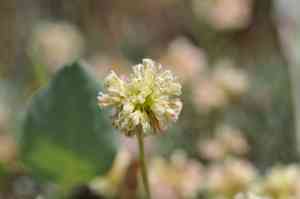
Eriogonum douglasii is a compact, enduring plant featuring tiny, grouped blossoms. The ideal periods for trimming are from late winter to early spring, before new shoots emerge. Eliminate any lifeless or ailing stalks, and cut back excessively long sections to foster air movement and define its form. Refrain from severe cutting, as this could diminish bloom production. Trimming stimulates more robust development, improves its look, and can avert ailments by boosting air exchange. Refer to authoritative gardening resources for additional optimal methods suited to your particular region and cultivation requirements.
What Are the Benefits of Pruning Douglas' Buckwheat?
What Are the Benefits of Pruning Douglas' Buckwheat?
Douglas' buckwheat thrives with pruning, promoting vigorous growth and maintaining its form. Pruning stimulates new shoots, manages its size, and enhances its overall look. Regular trimming also aids in pest and disease resistance, ensuring a healthier specimen.
What Is the Best Time for Pruning Douglas' Buckwheat?
What Is the Best Time for Pruning Douglas' Buckwheat?
Pruning douglas' buckwheat in late winter or early spring is optimal as it coincides with the plant's dormant phase, minimizing stress and lowering disease risk. This timing also ensures pruning occurs before the new growth cycle begins, fostering healthier and more robust development during the active season. Furthermore, pruning during these periods helps shape the plant effectively without disrupting its flowering, thus preserving its aesthetic and ecological value.
What Tools Do I Need to Prune Douglas' Buckwheat?
Bypass Pruners
Perfect for making clean cuts on living wood, which helps prevent illness and encourages robust growth. Given douglas' buckwheat's relatively compact and bushy nature, bypass pruners are well-suited for precise trimming.
Hand Pruning Shears
Useful for removing spent flowers and trimming smaller, delicate branches. These are essential for maintaining the plant's shape without causing undue harm.
Pruning Saw
Recommended for cutting through any thicker, woody stems that might be present. Although douglas' buckwheat typically has softer wood, a small pruning saw can be beneficial for occasional heavier pruning needs.
How to Prune Douglas' Buckwheat
Diagnose
Examine douglas' buckwheat to identify any diseased or withered foliage that requires removal. Look for indicators such as discoloration, spots, or wilting.
Prepare
Prepare sanitized pruning shears. Sterilize the shears with rubbing alcohol or a bleach solution to prevent the spread of pathogens.
Trim diseased
Carefully remove the diseased leaves by cutting them off at the base where they meet the stem. Ensure you cut just above a leaf node if present.
Trim withered
Cut off the withered leaves. Make clean cuts at the base to avoid leaving stubs, which can become entry points for diseases.
Dispose
Properly dispose of the pruned leaves. Do not compost them as they might contain fungi or bacteria that can infect other plants. Instead, bag the trimmings and dispose of them in the trash.
Common Pruning Mistakes with Douglas' Buckwheat
Over-pruning
Removing too much of the plant can weaken douglas' buckwheat and hinder its flowering potential. Aim to prune conservatively and avoid cutting back more than one-third of the foliage at a time.
Pruning at the wrong time
Pruning at an inappropriate time can lead to poor recovery and less flowering. While specifics on season are excluded, timing within the general growing cycle is crucial.
Using dull or dirty tools
Pruning with blunt or unclean tools can damage the plant and introduce diseases. Always ensure tools are sharp and sanitized before pruning.
Improper cutting technique
Making incorrect cuts, such as tearing branches or cutting too close to the stem, can cause wounds that are slow to heal. Utilize clean, angled cuts just above a node or bud.
Common Pruning Tips for Douglas' Buckwheat
Goal-oriented pruning
Identify the purpose of your pruningâsuch as shaping, removing dead wood, or promoting bloomsâand tailor your approach accordingly.
Thin selectively
Instead of making large cuts, thin out overcrowded areas to improve air circulation and light penetration, which supports overall health.
Deadhead spent flowers
Remove faded blooms to encourage more flowering and keep the plant looking tidy.
Observe plant health
Monitor douglas' buckwheat regularly for any signs of disease or dead wood, removing such portions promptly to prevent spread and promote healthy growth.



