How to Propagate Douglas' buckwheat?
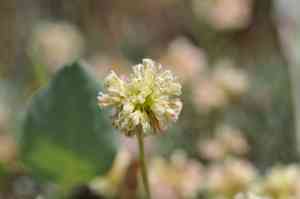
Eriogonum douglasii flourishes in porous, sandy, or stony substrates. To achieve effective propagation, deposit seeds directly into their intended growth location, ensuring thorough contact with the soil. Apply a thin layer of soil over the seeds and irrigate sparingly to maintain a slightly damp environment until sprouting occurs. After establishment, Eriogonum douglasii needs infrequent watering and exhibits considerable drought resistance. Regular inspection for infestations and ailments is advisable to guarantee robust development.
Optimal Period for Propagating Douglas' Buckwheat
Propagation Method
Seeding
Propagation Season
Spring
Equipment Utilized in Douglas' Buckwheat Propagation
Seed Trays
Seed trays offer a regulated setting for planting douglas' buckwheat seeds. They facilitate consistent watering, simple observation, and efficient space usage.
Seed Starting Mix
A sterile and well-draining seed starting mix is crucial for planting douglas' buckwheat. This blend encourages robust root growth and minimizes disease risk.
Heating Mat
A heating mat ensures the soil maintains an ideal temperature, fostering faster and more uniform germination of douglas' buckwheat seeds.
Humidity Dome
A humidity dome aids in sustaining a steady moisture level, promoting healthy sprout development and reducing desiccation risk, which is vital for douglas' buckwheat.
Spray Bottle
A spray bottle delivers gentle and even moisture, preventing soil displacement and ensuring douglas' buckwheat seeds remain undisturbed during germination.
Seed Dibber
A seed dibber is useful for creating precise holes in the soil, guaranteeing douglas' buckwheat seeds are sown at the correct depth, essential for successful germination.
Grow Lights
Grow lights provide consistent and sufficient illumination, especially if natural sunlight is inadequate, promoting strong seedling growth in douglas' buckwheat.
Labeling Stakes
Labeling stakes help track different species and varieties planted, ensuring douglas' buckwheat is correctly identified and cared for throughout the propagation process.
How to Propagate Douglas' Buckwheat?
Propagation Type
Simple
How to Nurture Your Newly Propagated Douglas' Buckwheat?
How to Nurture Your Newly Propagated Douglas' Buckwheat?
Once douglas' buckwheat seedlings have emerged and developed a few true leaves, transfer them into individual containers or directly into their designated outdoor spot. Ensure they are placed in a sunny, well-drained area. Water sparingly, allowing the soil to dry out between watering sessions. Monitor for pests and diseases, and shield from frost during colder months. Over time, douglas' buckwheat will adapt to its surroundings and require minimal attention, thriving in conditions similar to its natural habitat.
Common Errors to Avoid When Propagating Douglas' Buckwheat
Excessive watering
Overwatering can lead to root rot, which is detrimental to douglas' buckwheat's health and hinders successful propagation.
Poor soil drainage
Using soil that lacks proper drainage can cause water to accumulate around the roots, leading to rot and fungal issues.
Insufficient sunlight
Failing to provide adequate sunlight can impede growth and decrease the success rate of propagation.
Improper cutting techniques
Incorrectly taking cuttings or damaging the plant during the process can impede the development of new roots.
Inadequate air circulation
Poor air circulation can heighten the risk of fungal infections and other diseases that can compromise plant health.
Advice for Propagating Douglas' Buckwheat
Utilize well-draining soil
Ensure the soil used possesses excellent drainage properties to prevent water from pooling around the roots.
Provide ample sunlight
Position douglas' buckwheat in a location where it receives abundant direct sunlight to encourage healthy growth.
Take healthy cuttings
Select robust, vigorous stems for cuttings, ensuring they are taken correctly to enhance propagation success.
Maintain proper spacing
Space cuttings appropriately to allow for good air circulation and reduce the risk of disease.
Avoid overwatering
Water sparingly and only when the soil is dry to the touch to prevent excess moisture and root rot.



