How to Prune Eriocephalus capitellatus?
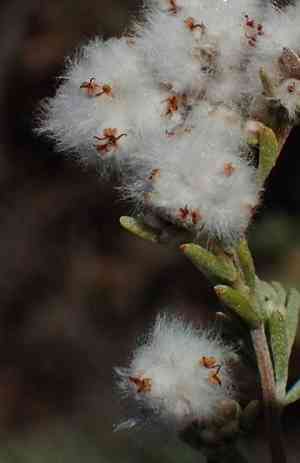
Eriocephalus capitellatus benefits most from pruning in the initial weeks of spring. Begin by excising any deceased or compromised limbs to foster robust development and enhance air movement. Shorten branches that are excessively long or intersecting to preserve the plant's form and stimulate fresh shoots. Performing this task at the correct period aids in boosting bloom production and averts excessive density. Consistent trimming guarantees a shapely, thriving specimen, providing visual attractiveness and lowering susceptibility to ailments.
What Are the Benefits of Pruning Eriocephalus Capitellatus?
What Are the Benefits of Pruning Eriocephalus Capitellatus?
Trimming eriocephalus capitellatus promotes robust development and maintains its form. It fosters healthy growth, prevents congestion, boosts blooming, and enhances resistance to pests and illnesses, leading to a more vigorous and visually appealing plant.
What Is the Best Time for Pruning Eriocephalus Capitellatus?
What Is the Best Time for Pruning Eriocephalus Capitellatus?
Trimming eriocephalus capitellatus in early spring is ideal as it aligns with the plant's natural growth pattern. During this period, the plant is emerging from dormancy, meaning pruning will cause minimal stress and encourage healthy new growth. Early spring pruning also ensures that cuts heal faster with the start of the growing season, lowering the risk of disease. Additionally, by pruning before the active growth phase, gardeners can help shape the plant and promote abundant flowering or fruiting throughout the season.
What Tools Do I Need to Prune Eriocephalus Capitellatus?
Pruning Shears
Essential for cutting small branches and stems. Perfect for precise, fine cuts to maintain the shape of eriocephalus capitellatus.
Loppers
Useful for cutting larger, thicker branches that cannot be managed by pruning shears. Ideal for making clean cuts on sturdier parts of eriocephalus capitellatus.
Pruning Saw
Necessary for removing any particularly thick or hard-to-reach branches. Ensures a clean cut on large diameter branches of eriocephalus capitellatus.
Bypass Pruners
Preferred for green, live wood. Bypass pruners offer a cleaner cut, reducing the risk of infection in eriocephalus capitellatus.
Anvil Pruners
Useful for dead or hard branches. These pruners are less precise but effective for removing older, woody parts of eriocephalus capitellatus.
Protective Gloves
Essential to protect hands from thorns or sharp edges while pruning eriocephalus capitellatus.
Alcohol Wipes
Important for sanitizing tools before and after use to prevent the spread of diseases in eriocephalus capitellatus.
How to Prune Eriocephalus Capitellatus
Inspection
Carefully inspect eriocephalus capitellatus for any signs of disease, wilting, or dead parts. Focus on leaves and branches to identify the specific areas that need pruning.
Diseased parts
Begin by removing all diseased leaves and branches using sterilized pruning shears. Cut back to healthy wood or leaf tissue, ensuring to make clean cuts to prevent further infection.
Withered leaves
Trim any withered leaves next, cutting them off at the base of the stem. This helps redirect the plant's energy to healthy growth and prevents decay.
Dead branches
Cut off all dead branches close to the main stem or at a junction with a live branch. Ensure not to leave stubs, which can become entry points for disease.
Cleanup
After pruning, collect and dispose of all removed plant material away from the garden area. Clean and disinfect pruning tools to prevent the spread of pathogens.
Common Pruning Mistakes with Eriocephalus Capitellatus
Over-pruning
Cutting back too much of the plant can stress it and inhibit growth. It can result in a weakened structure and less flowering.
Improper Cuts
Using dull or inappropriate tools can cause jagged cuts that expose the plant to disease and pests.
Ignoring Tools Hygiene
Not cleaning pruning tools between uses can transfer diseases from one part of the plant to another.
Wrong Timing
Although we won't specify when, pruning at the wrong time can shock the plant and disrupt its natural growth cycle.
Neglecting Dead or Diseased Wood
Failing to remove dead, diseased, or damaged wood can hinder new growth and spread diseases.
Common Pruning Tips for Eriocephalus Capitellatus
Use Sharp and Clean Tools
Always use sharp, clean pruning shears or loppers to make precise cuts and prevent the transmission of diseases.
Make Clean Cuts
Ensure cuts are clean and angled to allow water to drain off, preventing rot and disease.
Remove Dead or Diseased Wood First
Start by removing any dead, diseased, or damaged branches to improve overall plant health.
Focus on Air Circulation
Prune to open up the center of eriocephalus capitellatus, which ensures better air circulation and reduces the risk of fungal diseases.
Thin Out Dense Areas
Carefully thin out crowded branches to maintain the plant's natural shape and promote healthy growth.



