How to Prune Rambling fleabane?
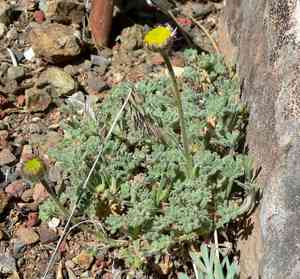
Erigeron karvinskianus, recognized for its daisy-like blossoms, flourishes with consistent trimming. Perform pruning in early spring or late winter to stimulate robust development and prolific blooming. Eliminate faded flowers and any lifeless or compromised stalks to preserve its form. Trimming during these periods corresponds with its developmental rhythm, fostering vitality and averting spindly growth. This encourages a compact, appealing look and boosts general plant well-being.
What Are the Benefits of Pruning Rambling Fleabane?
What Are the Benefits of Pruning Rambling Fleabane?
Trimming rambling fleabane encourages robust development and helps maintain its form. By eliminating lifeless or overgrown sections, gardeners can foster healthier bloom production and overall plant vigor, ensuring it stays appealing and manageable.
What Is the Best Time for Pruning Rambling Fleabane?
What Is the Best Time for Pruning Rambling Fleabane?
Trimming rambling fleabane during early spring and late winter is considered ideal because the plant is dormant then. This inactive state helps minimize stress and harm to the plant, as it's not actively growing. Furthermore, this timing allows the plant to recover quickly and direct energy towards new growth and flowering in the upcoming active season. Pruning during these periods also aids in managing and shaping the plant before its vigorous growth phase begins.
What Tools Do I Need to Prune Rambling Fleabane?
Hand Pruners
Crucial for precise cuts on slender stems and branches. Hand pruners are perfect for removing dead or damaged leaves, promoting healthy development.
Bypass Pruners
Excellent for making clean cuts on living wood, ensuring minimal harm to plant tissue. Useful for shaping and preserving the overall look of rambling fleabane.
Snips
Helpful for detailed tasks and removing faded flowers, which stimulates more blooms. Snips offer the control needed for delicate trimming jobs.
Pruning Shears
Useful for cutting through thicker stems that may require more leverage than hand pruners. Ideal for managing the larger, woody parts of rambling fleabane.
Loppers
Recommended for cutting back any excessively long or sprawling stems that hand pruners cannot manage. Loppers provide the necessary reach and power for larger cuts.
How to Prune Rambling Fleabane
Remove diseased leaves
Identify and carefully snip off any leaves showing signs of illness. Use sanitized pruning shears to prevent pathogen spread.
Dispose properly
Discard the diseased leaves away from the garden area to prevent re-infection or spread to other plants.
Remove withered leaves
Trim back any dried or dead leaves to enhance air circulation and stimulate new growth. Make clean cuts close to the base of the affected foliage.
Check consumably
Inspect the plant regularly, at least once a month, to ensure no new diseased or withered leaves have appeared, and trim as needed.
Clean tools
After finishing the pruning, clean and sanitize your pruning tools to prevent the spread of disease to other plants.
Common Pruning Mistakes with Rambling Fleabane
Over-pruning
Removing too much foliage can stress rambling fleabane, leading to reduced growth and flowering.
Improper technique
Using dull or dirty tools can cause jagged cuts that are more prone to diseases.
Pruning at the wrong nodes
Cutting too close to the buds or the main stem can damage the plant, preventing proper regrowth.
Ignoring deadheads
Failing to remove spent flowers can hinder new blooms and overall plant health.
Not recognizing diseased or damaged parts
Leaving diseased or damaged parts on rambling fleabane can lead to the spread of infections.
Common Pruning Tips for Rambling Fleabane
Use sharp and clean tools
Always use sterilized and sharp pruning shears to make clean cuts, reducing the risk of infection.
Remove dead or damaged foliage first
Start by pruning away any dead, damaged, or diseased foliage to prevent the spread of diseases.
Deadhead regularly
Regularly remove spent blooms to encourage continuous flowering and prevent seed formation.
Make precise cuts
Cut just above a leaf node or bud to promote healthy new growth. Avoid leaving stubs.
Thin out crowded areas
Periodically thin out crowded stems to improve air circulation, reducing the risk of fungal infections and encouraging stronger growth.



