How to Propagate Rambling fleabane?
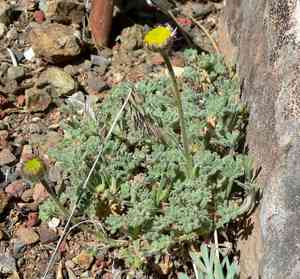
Erigeron karvinskianus flourishes in adequately drained earth under full to partial solar exposure. The main method for reproduction involves scattering seeds directly into the earth or containers, making sure they are not densely packed. The substrate needs to remain damp, yet not oversaturated. Consistent inspection for harmful insects is crucial. Applying mulch can assist in preserving ground moisture and diminishing rivalry from unwanted vegetation, fostering vigorous plant development.
Optimal Period for Rambling Fleabane Propagation
Propagation Method
Seeding
Propagation Period
Spring
Tools Required for Rambling Fleabane Propagation
Seed Trays or Flats
Crucial for initiating rambling fleabane seeds. They offer a controlled setting for seed sprouting and initial development, ensuring even spacing and good access to moisture and nutrients.
Seed Starting Mix
A soilless medium providing the ideal balance of drainage and moisture retention for rambling fleabane seeds. It encourages robust root growth and minimizes disease risk.
Spray Bottle
Utilized to gently moisten the seed starting mix without disturbing rambling fleabane seeds or seedlings. Consistent hydration is vital for germination and early growth.
Humidity Dome
Placed over seed trays to maintain elevated humidity levels, which is important for rambling fleabane germination. It helps retain moisture and warmth, creating an ideal microclimate for sprouting seeds.
Heat Mat
Supplies bottom warmth to seed trays, accelerating the germination rate and success of rambling fleabane seeds by maintaining a steady soil temperature.
Labels
Essential for identifying rambling fleabane seedlings during their initial growth phases. Proper labeling prevents confusion and aids in tracking different batches and planting dates.
Tweezers or Dibber
Useful for handling minute rambling fleabane seeds and for creating small planting holes in the seed starting mix. Such precision tools ensure seeds are placed at the correct depth.
Grow Lights
Supplementary illumination ensures rambling fleabane seedlings receive sufficient light, especially if natural sunlight is insufficient. Proper lighting is critical for preventing leggy growth and fostering strong, healthy seedlings.
How to Propagate Rambling Fleabane?
Propagation Difficulty
Simple
Caring for Your Newly Propagated Rambling Fleabane
Caring for Your Newly Propagated Rambling Fleabane
Post-propagation care involves consistent watering to maintain soil moisture, mulching to retain moisture and suppress weeds, and occasional feeding with a balanced, water-soluble fertilizer during the active growth period. Monitor for any pests or diseases and address them promptly. Prune and deadhead spent blooms to encourage further flowering and maintain plant vigor.
Common Errors to Avoid When Propagating Rambling Fleabane
Excessive Watering
This can lead to root rot and fungal infections, which can severely harm or kill rambling fleabane.
Incorrect Soil Selection
Using soil that holds too much moisture can create unfavorable conditions for rambling fleabane, potentially resulting in poor growth or decay.
Inadequate Drainage
Without proper drainage, surplus water can accumulate, leading to waterlogged roots and impeding successful propagation.
Insufficient Light
Not providing enough light can hinder rambling fleabane's growth, making it weak and elongated.
Improper Cutting Technique
Using dull or contaminated tools can damage plant tissue and introduce pathogens, reducing the likelihood of successful propagation.
Advice for Propagating Rambling Fleabane
Utilize Well-Draining Soil
Ensure the soil mixture drains effectively to prevent water accumulation and root rot. A blend of sand, perlite, and compost can be beneficial.
Water Sparingly
Irrigate cuttings only when the top inch of soil feels dry to the touch. Overwatering can be detrimental.
Provide Ample Light
Position cuttings in a bright, indirect light location to promote healthy growth without causing leaf scorch.
Ensure Clean Tools
Always use sterilized and sharp tools for taking cuttings to prevent infections and facilitate clean cuts.
Employ Rooting Hormones
Applying rooting hormone to the cut end can boost the success rate of root formation and enhance the propagation process.



