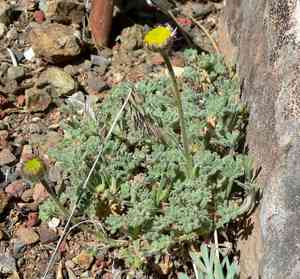
Rambling fleabane (Erigeron vagus)
Also known as: Wandering Fleabane
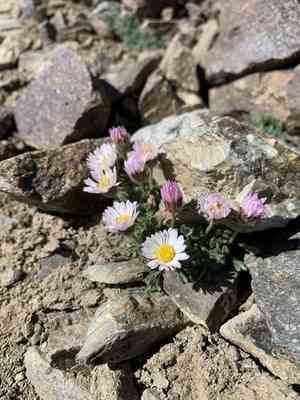
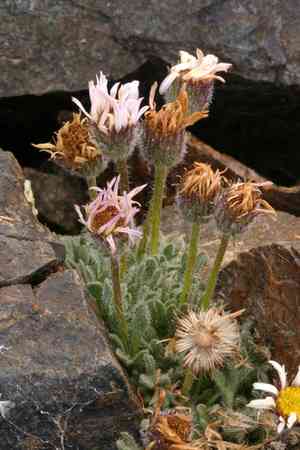
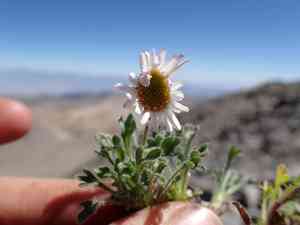
Rambling fleabane is a resilient perennial that flourishes in rocky, open areas, utilizing its extensive root system to anchor itself and access water. It features a cluster of slender leaves at its base and produces daisy-like blooms. These flowers have delicate white or pale pink petals surrounding a vibrant yellow center, adding a touch of brightness to tough terrains.
In This Article
Attributes of Rambling fleabane
Lifespan
Perennial
Plant Type
Herb
Plant Height
5-15 cm
Spread
Not Applicable
Leaf Color
Green
Flower Size
1-1.5 cm
Flower Color
White to pinkish
Images of Rambling fleabane
Quickly Identify Rambling fleabane
1
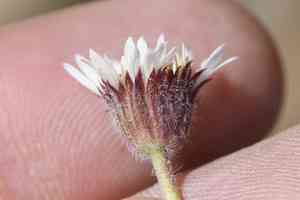
Erigeron vagus can be identified by its small, daisy-like flowers with white to pinkish rays and a yellow center. Its leaves are narrow, somewhat hairy, and arranged alternately along the stem.
Scientific Classification of Rambling fleabane
Phylum
Vascular plants
Class
Dicotyledons
Order
Asterales
Family
Daisy
Genus
Fleabanes
Species
Rambling fleabane
Planting and Growing of Rambling fleabane
Care Difficulty
Easy
Watering Schedule
Every 2 days
Sunlight Requirements
Full sun
Sunshine Duration
6-10 hours
Ideal Temperature
60-70℉
Soil Type
Potting Mix, Peat Mix
Soil pH
6.5-7.5
Fertilizer Type
Balanced
Pruning Season
Spring, Summer
Pruning Area
Branches, Leaves
Pruning Frequency
2 times a year
Repotting Season
Spring
Pot Type
Plastic, Ceramic
 How to Water Rambling fleabane?
When watering Erigeron vagus, ensure the soil is moistened to a depth of about 6 inches (15 cm), allowing the water to percolate thoroughly. A consistent yet moderate watering schedule will keep the roots hydrated without suffocating them.
What are the symptoms of an underwatered Rambling fleabane?
›
What should I do if my Rambling fleabane is not getting enough water?
›
What are the symptoms of an overwatered Rambling fleabane?
›
How to save an overwatered Rambling fleabane?
›
 What Are the Sunlight Requirements for Rambling fleabane?
Full sun exposure is ideal for Erigeron vagus, as it promotes optimal growth, encourages dense and vibrant foliage and blooms, and helps maintain healthy respiratory and metabolic functions in the plant.
What is the best sunlight exposure for Erigeron vagus?
›
How can I ensure Erigeron vagus gets optimal sunlight?
›
What benefits does Erigeron vagus gain from proper lighting?
›
 What Is the Ideal Temperature Range for Rambling fleabane?
The ideal temperature range for growing Erigeron vagus is between 60°F and 70°F. This range helps to ensure optimal growth and flowering without stressing the plant.
 What Soil is Best for Rambling fleabane?
Erigeron vagus thrives in well-draining soil, preventing root rot and ensuring that the plant receives the right amount of moisture without waterlogging. This feature helps maintain healthy root development, crucial for nutrient uptake and overall plant vigor. A soil rich in organic matter supports Erigeron vagus by offering steady nutrient availability for robust growth and vibrant flowering. The presence of organic matter improves soil structure, helping retain moisture while providing essential nutrients. The soil should not retain excessive heat, ensuring Erigeron vagus doesn't suffer from heat stress. Loamy and sandy soils help regulate temperature fluctuations, fostering a more stable environment for root processes and ultimately promoting healthy plant growth.
 How to Fertilize Rambling fleabane?
For Erigeron vagus, it is important to apply fertilizers sparingly as it is generally adapted to nutrient-poor soils. A diluted concentration of 50-75% of the standard recommended amount is ideal, as over-fertilization could harm this delicate plant.
 How to Prune Rambling fleabane?
Begin by using clean and sharp pruning shears to remove any dead or damaged stems. This encourages healthy growth and prevents diseases. Focus on thinning out overcrowded sections to improve air circulation and sunlight penetration. To maintain an attractive shape, selectively remove stray stems that disrupt the plant's natural form. Regular shaping prevents legginess and encourages a more uniform and pleasing appearance.
More About Pruning Techniques→
 How to Propagate Rambling fleabane plant?
1
Collect well-matured seeds in autumn and store them in a cool, dry place until spring. Before sowing, soak seeds in water for 24 hours to enhance germination.
2
Use a seed starting tray filled with a moist, sterile potting mix. Sow the seeds evenly and cover with a thin layer of soil. Mist lightly with water to keep the surface damp.
3
Select healthy, non-flowering stems of about 10 cm in length during early or late summer. Prepare by removing the lower leaves and dipping the cut end in rooting hormone.
 How to Repot Rambling fleabane plant?
1
Erigeron vagus needs repotting when its roots start to outgrow their container or become visible through the drainage holes. If you notice restricted growth or if the soil retains water for too long, it's a signal that repotting is necessary to ensure the plant's optimal health and growth.
2
Select a pot that is one size larger than the current pot to allow room for growth. The pot should have drainage holes to prevent waterlogging. A well-sized pot ensures that the roots have ample space to expand, promoting healthy growth while preventing root rot and other moisture-related issues.
3
Choose a well-draining, gritty soil mix rich in organic matter to provide ample drainage and prevent root rot. The ideal soil allows excess water to escape quickly, mimicking the plant's natural rocky habitat, ensuring that its roots have access to oxygen and nutrients needed for robust growth.



