How to Prune Flett's fleabane?
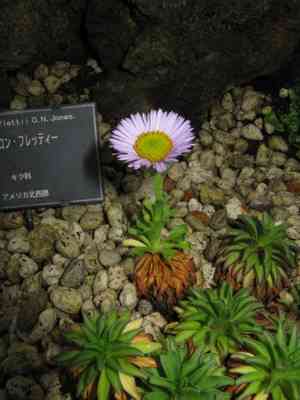
Flett's fleabane exhibits vivid blossoms and a dense habit. Trim in early spring or summer to eliminate lifeless or ailing stalks, foster more robust development, and prolong flowering cycles. Snip off faded blooms to encourage uninterrupted blossoming. Trimming during these periods corresponds with its vigorous development, guaranteeing swift recuperation. Regular trimming can improve visual attractiveness and general plant well-being. Consult reputable gardening resources for specific trimming methods.
What Are the Benefits of Pruning Flett's Fleabane?
What Are the Benefits of Pruning Flett's Fleabane?
Trimming flett's fleabane promotes vigorous development and helps maintain a compact, appealing form, crucial for garden beauty and vitality. Regular trimming fosters a stronger structure and can effectively deter pests and diseases.
What Is the Best Time for Pruning Flett's Fleabane?
What Is the Best Time for Pruning Flett's Fleabane?
Trimming or cutting back flett's fleabane during spring and summer aligns with its active growth period. These times are optimal because flett's fleabane experiences robust growth and can quickly recover from pruning, encouraging healthier development and better blooms. Spring pruning allows gardeners to remove any winter-damaged parts, while summer pruning helps shape the plant and manage its size. Avoid pruning in late autumn or winter as it can stress the plant and hinder its ability to endure colder temperatures.
What Tools Do I Need to Prune Flett's Fleabane?
Bypass Pruners
These are perfect for making clean cuts on living stems and branches, ensuring minimal harm, which is vital for flett's fleabane's well-being.
Hand Pruning Shears
Useful for precise, delicate cuts needed for deadheading and trimming small stems or branches of flett's fleabane due to its fragile nature.
Pruning Scissors
Ideal for detailed work and reaching confined spaces within flett's fleabane's growth structure for optimal shaping.
Loppers
Recommended for cutting through thicker stems or branches of flett's fleabane when more leverage and cutting power are necessary.
Pruning Saw
Helpful for cutting larger, woody branches that may occasionally be present, ensuring clean and efficient removal without harming flett's fleabane.
How to Prune Flett's Fleabane
Inspection
Carefully examine flett's fleabane for any diseased leaves, withered foliage, and unhealthy stems. Look for indicators such as discoloration, spots, wilting, or unusual textures.
Clean Tools
Sanitize pruning implements using a solution of one part bleach to nine parts water, or an alcohol wipe. This step is essential to prevent disease transmission.
Remove Diseased Leaves
Using sterilized pruning shears, snip away any diseased leaves. Cut as close to the leaf base and stem as possible without harming healthy plant tissue.
Remove Withered Leaves
Cut off any dried or dead leaves. These leaves offer no benefit to the plant and can harbor pests or diseases.
Remove Diseased Stems
Inspect the stems for any signs of illness, such as blotches or decay. Prune away the diseased sections, cutting below the affected area into healthy tissue.
Common Pruning Mistakes with Flett's Fleabane
Over-pruning
Removing too much foliage can stress flett's fleabane, leading to reduced growth and flowering potential.
Improper cutting
Using dull or unsuitable tools can result in jagged cuts, making flett's fleabane more vulnerable to disease and pests.
Pruning at the wrong stage
Trimming during the plant's budding phase can lead to the loss of future flowers, affecting its blooming cycle.
Neglecting hygiene
Failing to sterilize pruning tools can spread diseases to flett's fleabane, severely impacting its health.
Common Pruning Tips for Flett's Fleabane
Use sharp, clean tools
Always use sharp and sterilized pruning shears to make clean cuts, reducing the risk of infection for flett's fleabane.
Remove dead or damaged growth
Focus on removing dead, diseased, or damaged stems and leaves to encourage healthy growth and prevent the spread of illnesses.
Prune to improve airflow
Thin out densely packed areas to improve air circulation within flett's fleabane, which helps in preventing fungal diseases.
Make targeted cuts
Prune selectively by making cuts just above a leaf node or bud, which helps in directing new growth and maintaining a balanced shape.



