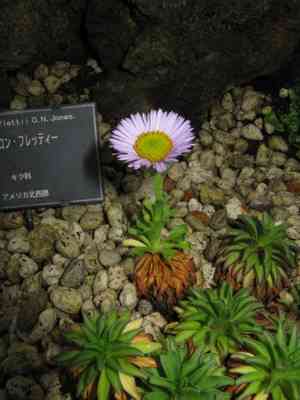
Flett's fleabane (Erigeron flettii)
Also known as: Flett's Fleabane
Erigeron flettii, also known as Flett's fleabane, is indigenous to the northwestern United States, specifically Washington state. It is primarily found on the Olympic Peninsula, with many populations located within the boundaries of Olympic National Park.
In This Article
Attributes of Flett's fleabane
Lifespan
Perennial
Plant Type
Herb
Plant Height
5 cm to 15 cm
Spread
20 cm
Leaf Color
Green
Flower Size
2-3 cm
Flower Color
White to lavender
Images of Flett's fleabane
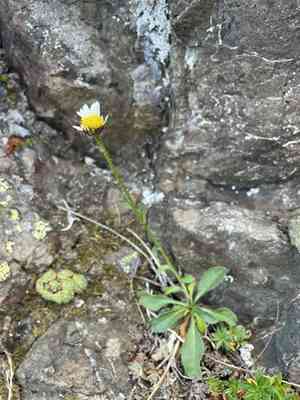
Quickly Identify Flett's fleabane
1
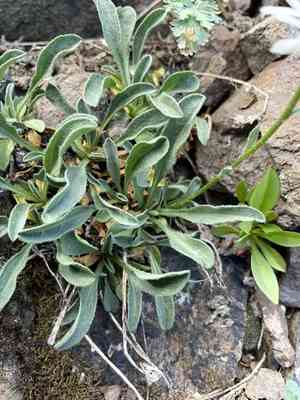
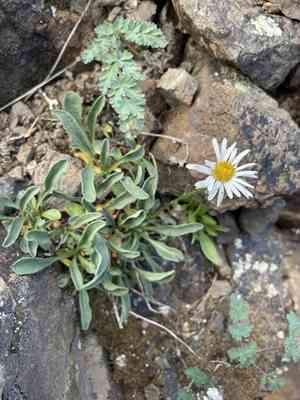
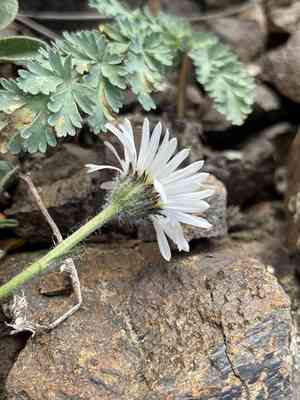
Identifying Erigeron flettii involves looking for its distinctive daisy-like flowers with white to lavender rays and yellow centers, along with its narrow, lance-shaped leaves.
Scientific Classification of Flett's fleabane
Phylum
Vascular plants
Class
Dicotyledons
Order
Asterales
Family
Daisy
Genus
Fleabanes
Species
Flett's fleabane
Planting and Growing of Flett's fleabane
Care Difficulty
Moderate
Watering Schedule
Every 3 days
Sunlight Requirements
Partial sun
Sunshine Duration
6-10 hours
Ideal Temperature
60-70℉
Soil Type
Potting Mix, Peat Mix
Soil pH
6.5-7.5
Fertilizer Type
Balanced
Pruning Season
Spring, Summer
Pruning Area
Branches, Leaves
Pruning Frequency
2 times a year
Repotting Season
Spring
Pot Type
Plastic, Ceramic
 How to Water Flett's fleabane?
For Erigeron flettii, it's essential to keep the soil consistently moist but not waterlogged. Water around 250 ml each time, ensuring that the top inch of soil has had time to dry between waterings. This balance helps maintain optimal soil moisture without suffocating the roots.
What are the symptoms of an underwatered Flett's fleabane?
›
What should I do if my Flett's fleabane is not getting enough water?
›
What are the symptoms of an overwatered Flett's fleabane?
›
How to save an overwatered Flett's fleabane?
›
 What Are the Sunlight Requirements for Flett's fleabane?
Erigeron flettii ideally grows in partial sun. This light range promotes healthy photosynthesis, enabling the plant to maintain vibrant foliage and blooming intensity.
How much sunlight does Erigeron flettii need?
›
What to do if the plant isn't getting enough sunlight?
›
Benefits of providing ideal sunlight conditions?
›
 What Is the Ideal Temperature Range for Flett's fleabane?
For Erigeron flettii, the optimal temperature range lies between 60°F and 70°F. This range provides the best conditions for growth, allowing the plant to maintain its metabolic processes efficiently. Such temperatures facilitate adequate photosynthesis and nutrient absorption, ensuring healthy development.
 What Soil is Best for Flett's fleabane?
Erigeron flettii thrives in well-drained soil, preventing waterlogging and root rot. This allows the roots to access oxygen efficiently, promoting healthy growth and vibrant blooms. The plant requires soil with a moderate level of nutrients, which supports steady growth without excessive foliage development at the expense of flowers. Keeping the soil slightly moist, yet not soggy, is key. This helps maintain hydration while preventing fungal issues that can arise from overly wet soil.
 How to Fertilize Flett's fleabane?
When fertilizing Erigeron flettii, it's important to apply the right amount—no more than a quarter of the recommended strength for typical flowering plants. During the growing season, this plant benefits from moderate feeding. An excess can result in lush foliage but reduced blossoms, undermining its ornamental appeal.
 How to Prune Flett's fleabane?
Begin by removing any dead or damaged stems as these can harbor diseases or pests. Trim back stems lightly to shape the plant and keep it compact. This encourages denser growth and more abundant flowering in the next bloom cycle. Cut back approximately one-third of the overall growth after the initial flowering period ends in early summer. This stimulates new growth, leading to a second wave of blooms, and maintains the plant's overall vigor.
More About Pruning Techniques→
 How to Propagate Flett's fleabane plant?
1
Collect seeds from mature Erigeron flettii flowers once they have dried on the plant. Ensure the seeds are completely dry before storing or sowing to prevent mold.
2
Use a well-draining potting mix, rich in organic matter, to provide an ideal environment for seed germination or planting cuttings. Loosen the soil before planting.
3
Select healthy, non-flowering stems for cuttings. Cut a section of about 4-6 inches in length, and remove the lower leaves to encourage root growth.
 How to Repot Flett's fleabane plant?
1
Repot Erigeron flettii when you notice roots protruding from the drainage holes or the plant seems stunted despite regular care. Early spring or summer is ideal as the plant is in its growing phase, enabling it to adjust quickly to new soil and space.
2
Choose a pot that is slightly larger than the current one, ensuring at least one drainage hole. A pot that's too large may retain excess moisture, potentially leading to root rot. A slightly bigger pot encourages healthy growth and root expansion.
3
Opt for a well-draining mix, ideally sandy soil with some added organic matter. Such soil prevents waterlogging and provides essential nutrients, fostering the growth of a robust root system and promoting healthy blooms.
Learn More About Flett's fleabane Diseases
Anthracnose
Bacterial Leaf Spot
Bacterial Soft Rot
Bacterial Wilt
Black Spot
Chemical Injury
Crown Gall
Cyst Nematode
Damping-off
Downy Mildew
Drought Stress
Fusarium Wilt
Gray Mold
Leaf Spot
Mosaic
Nutrient Deficiency
Nutrient Toxicity
Powdery Mildew
Root Rot
Root-knot Nematode
Rusts
Sooty Mold
Spider Mites
Temperature Stress
Thrips Damage
White Mold



