How to Prune Turpentine Bush?
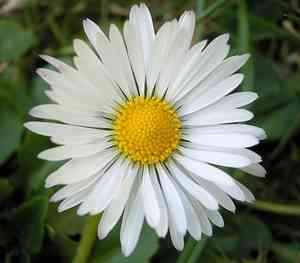
A robust woody plant featuring slender, pointed foliage, Turpentine Bush flourishes with limited trimming to preserve its form and foster vigorous development. Conduct pruning in the initial part of spring or during winter, concentrating on excising lifeless or impaired limbs to improve air movement. Judiciously reducing the density of inner branches can additionally stimulate fresh shoots. Trimming while the plant is inactive reduces the outflow of sap and strain, guaranteeing a strong resurgence during the active growth period. Consistent, gentle shaping sustains an attractive appearance while boosting the plant's vitality.
What Are the Benefits of Pruning Turpentine Bush?
What Are the Benefits of Pruning Turpentine Bush?
Trimming turpentine Bush promotes more abundant blooms while decreasing the likelihood of pest and disease infestations. By selectively cutting back growth, gardeners help maintain the plant's health and appearance, ensuring a vibrant display and stronger resilience.
What Is the Best Time for Pruning Turpentine Bush?
What Is the Best Time for Pruning Turpentine Bush?
Early spring is an ideal time for pruning turpentine Bush as it precedes new growth, allowing gardeners to shape the plant and remove dead or damaged branches without hindering new growth patterns. Similarly, late winter is also suitable for trimming, as the plant is dormant and less prone to pruning stress. During this period, the absence of leaves offers better visibility for assessing turpentine Bush's structure and health, enabling more precise cuts. Pruning in early spring or late winter also helps avoid cutting off flower buds, ensuring turpentine Bush's flowering potential is not compromised. It's important to avoid pruning in late fall since cuts might not heal before cold weather, making turpentine Bush more vulnerable to damage.
What Tools Do I Need to Prune Turpentine Bush?
Bypass Pruners
Perfect for making clean cuts on living stems and smaller branches of turpentine Bush. The sharp, curved blades ensure minimal damage to plant tissues, encouraging healthy regrowth.
Pruning Saw
Suitable for cutting through thicker branches that bypass pruners cannot manage. A pruning saw helps control the size and shape of turpentine Bush without tearing its wood.
Gardening Gloves
Essential for protecting hands from sap and any sharp edges while pruning turpentine Bush. This ensures safety and comfort during the task.
Loppers
Useful for reaching deeper into turpentine Bush or cutting slightly larger branches with more leverage than bypass pruners can provide.
How to Prune Turpentine Bush
Clean tools
Sanitize your pruning tools with rubbing alcohol or a bleach solution to prevent disease spread while trimming turpentine Bush.
Remove diseased parts
Carefully cut away and discard any diseased leaves and branches to enhance turpentine Bush's health and prevent infection spread. Use clean and precise cuts to remove these parts entirely.
Trim dead material
Identify and prune all dead branches and withered leaves from turpentine Bush to maintain aesthetic appeal and direct growth energy to healthy parts. Ensure cuts are made just above healthy tissue to facilitate healing and regrowth.
Prune withered flowers
Remove withered flowers from turpentine Bush to encourage new blooms and improve air circulation. Deadhead spent blooms by cutting them back to just above a set of leaves or a bud.
Shape plant
Trim excessive growth branches on turpentine Bush to maintain the desired shape and size. Cut branches at a 45-degree angle, just above an outward-facing bud or branch to guide the new growth outwards.
Common Pruning Mistakes with Turpentine Bush
Over-pruning
Removing too much foliage can stress turpentine Bush, leading to poor growth and reduced flowering. Aim to prune no more than one-third of the plant at a time.
Incorrect cuts
Making cuts that are too ragged or at improper angles can harm turpentine Bush, as it may prevent proper healing and leave the plant vulnerable to disease. Clean, angled cuts are recommended.
Using dull tools
Dull pruning tools can damage the branches of turpentine Bush by creating jagged edges, which can lead to disease entry. Ensure tools are sharp for clean cuts.
Pruning for shape alone
While shaping turpentine Bush is important, do not forget to remove dead, damaged, or diseased wood, which is crucial for the plant's health.
Ignoring plant architecture
Not considering the natural growth pattern of turpentine Bush can result in a misshapen plant. Understand its growth habit before making cuts.
Common Pruning Tips for Turpentine Bush
Cleansing tools
Clean pruning tools before and after use on turpentine Bush to prevent the spread of disease. Disinfect with a solution of bleach or alcohol.
Making proper cuts
Cut just above a leaf node or bud that is facing the direction you want new growth to follow. This encourages turpentine Bush to grow in a desirable direction.
Thin out center
To promote better air circulation and light penetration, which are essential for turpentine Bush's health, thin out some central branches carefully.
Remove dead material
Routinely check and carefully remove dead, diseased, or damaged branches from turpentine Bush to encourage healthy growth and flowering.
Consider growth potential
When pruning turpentine Bush, leave room for growth. Be mindful that cutbacks will stimulate new growth, so consider the plant's potential size before cutting.



