The Turpentine Bush Plant Advantage: Maximizing Home and Office Appeal and Wellness
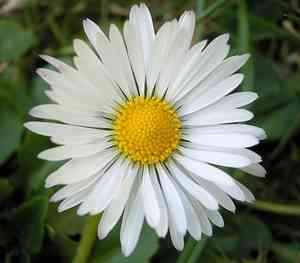
1
Turpentine Bush is recognized for its ability to withstand dry conditions, making it a perfect choice for desert environments.
2
This shrub contributes to local ecosystems by offering shelter and sustenance to indigenous fauna.
3
Utilized for enhancing landscapes, Turpentine Bush provides visual charm with its bright yellow flowers.
What Makes Turpentine Bush Unique?
Resilience in Challenging Climates
A key characteristic of Turpentine Bush is its remarkable capacity to thrive in arid and semi-arid conditions. This plant flourishes in poor soil where moisture is scarce. Its drought-tolerant nature allows it to grow and prosper with minimal water needs, making it an excellent option for sustainable landscaping in water-saving initiatives.
Ecological Significance
Turpentine Bush plays a vital role in its native ecosystems. It provides shelter and sustenance for various wildlife, including insects, birds, and small mammals. The plant's dense foliage offers protection, while its blossoms produce nectar that draws in pollinators. By supporting these local species, Turpentine Bush helps maintain biodiversity and ecological equilibrium.
The Aesthetic and Practical Advantages of Turpentine Bush
Landscaping and Water-Wise Design
In landscape design, Turpentine Bush is frequently utilized for xeriscapingâa landscaping approach specifically tailored for drought-prone regions. Its vibrant yellow blooms add a burst of color to gardens and open spaces, offering visual appeal with very little upkeep. This makes Turpentine Bush an excellent selection for homeowners and urban planners aiming to create attractive yet sustainable outdoor environments.
Erosion Prevention
The extensive root systems of Turpentine Bush make it highly effective in preventing soil erosion. When planted on inclines or in areas susceptible to erosion, its roots stabilize the earth, stopping it from being washed away by rain or wind. This attribute is particularly valuable in regions with loose or degraded soil, as it helps to preserve the terrain and enhance soil vitality.
How Does Turpentine Bush Aid Environmental Preservation?
Decreasing Water Consumption
One of the primary advantages of Turpentine Bush is its capacity to reduce water usage in landscaping. Due to its minimal water requirements, cultivating Turpentine Bush significantly lowers the demand for water, which is especially crucial in drought-affected areas. Incorporating Turpentine Bush into public and private landscapes contributes to water conservation, helping to protect this valuable resource.
Improving Soil Health
Another environmental benefit of Turpentine Bush is its ability to enhance soil quality. The plant's decaying organic matter enriches the soil, adding essential nutrients and improving its structure. This not only supports the growth of Turpentine Bush itself but also benefits other plant species nearby, fostering a flourishing and healthy ecosystem.
Questions About Turpentine Bush? Discover More
Can Turpentine Bush be Cultivated in Home Gardens?
Yes, Turpentine Bush is a great addition to home gardens, particularly in regions with dry climates. Its low maintenance needs and drought resistance make it a practical choice for gardeners seeking to conserve water without sacrificing beauty. Ensure it is planted in well-drained soil and receives ample sunlight for optimal development.
What Wildlife Benefits From Turpentine Bush?
Turpentine Bush attracts a variety of wildlife, including bees, butterflies, and birds. Its flowers provide nectar for pollinators, while its seeds and foliage offer food and shelter. Integrating Turpentine Bush into your landscape can help support these species, promoting a biodiverse and healthy environment.



