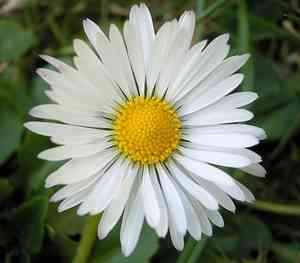
Turpentine Bush (Ericameria laricifolia)
Also known as: Turpentine Brush, Hierba de Conejo
The Turpentine Bush (*Ericameria laricifolia*) is an evergreen shrub native to the southwestern United States, thriving in woodlands and desert scrub environments. It typically features smooth stems adorned with clusters of vibrant golden-yellow flowers. This hardy plant is a popular choice for gardens due to its striking appearance and resilience.
In This Article
Attributes of Turpentine Bush
Lifespan
Perennial
Plant Type
Shrub
Plant Height
50 cm to 1 m
Spread
90 cm
Leaf Color
Green
Flower Size
6 mm
Flower Color
Yellow
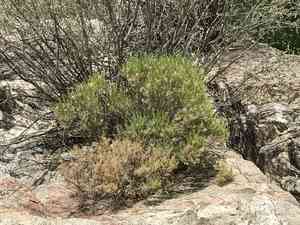
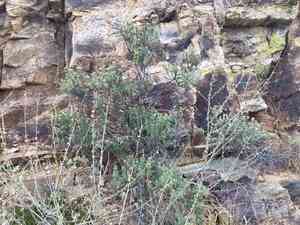
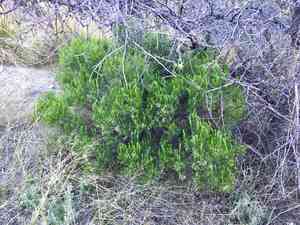
Images of Turpentine Bush
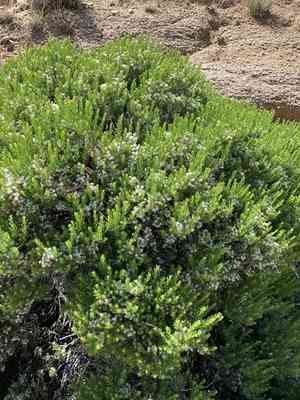
Quickly Identify Turpentine Bush
1
Ericameria laricifolia can be identified by its densely branched form, needle-like leaves that are resinous and aromatic when crushed, and bright yellow, daisy-like flower heads clustered at the ends of the branches.
Scientific Classification of Turpentine Bush
Phylum
Vascular plants
Class
Dicotyledons
Order
Asterales
Family
Daisy
Genus
Goldenbushes
Species
Turpentine Bush
Planting and Growing of Turpentine Bush
Care Difficulty
Easy
Watering Schedule
Every 2 days
Sunlight Requirements
Full sun
Sunshine Duration
4-8 hours
Ideal Temperature
60-80℉
Soil Type
Potting Mix, Peat Mix
Soil pH
6.5-7.5
Fertilizer Type
Balanced
Pruning Season
Spring, Summer
Pruning Area
Branches, Leaves
Pruning Frequency
Once a year
Repotting Season
Spring
Pot Type
Plastic, Ceramic
 How to Water Turpentine Bush?
Ericameria laricifolia, commonly known as turpentine bush, prefers a moderate amount of water. Ideally, aim for about 500 milliliters per watering. The goal is to moisten the soil about halfway down the root zone, allowing the roots to access sufficient moisture without becoming waterlogged, a balance crucial for its health.
What are the symptoms of an underwatered Turpentine Bush?
›
What should I do if my Turpentine Bush is not getting enough water?
›
What are the symptoms of an overwatered Turpentine Bush?
›
How to save an overwatered Turpentine Bush?
›
 What Are the Sunlight Requirements for Turpentine Bush?
The ideal light range for Ericameria laricifolia is full sun, receiving 6 to 8 hours of light daily. This optimal lighting condition promotes healthy growth, lush foliage, and abundant flowering, making it thrive in its natural habitat.
More About Sunlight Requirements Techniques→
Ideal Sunlight Exposure
›
Partial Shade Tolerance
›
Combating Low Light
›
 What Is the Ideal Temperature Range for Turpentine Bush?
Ericameria laricifolia thrives best in temperatures ranging from 60 to 80°F. These conditions mimic its natural desert environment, providing just the right amount of warmth for optimal growth and flowering. Maintaining this temperature range ensures that the metabolic processes of the plant are functioning efficiently, leading to a healthy and vigorous specimen.
 What Soil is Best for Turpentine Bush?
For Ericameria laricifolia, well-drained soil is crucial to prevent waterlogging. This plant thrives when excess water is not retained, reducing the risk of root rot and promoting healthy growth. Ericameria laricifolia prefers nutrient-poor soils, which mimic its natural habitat. This helps prevent excessive growth and maintains the structural integrity of the plant, promoting resilience in harsh environments. The plant thrives in soils with minimal organic matter, reflecting its adaptation to dry, arid regions. This reduces the likelihood of fungal diseases and ensures the plant's survival in challenging conditions.
 How to Fertilize Turpentine Bush?
For Ericameria laricifolia, use a balanced 10-10-10 liquid fertilizer at a rate of 1/2 teaspoon per gallon of water for liquid application. For slow-release granules, use about 2 tablespoons per square foot around the base.
 How to Prune Turpentine Bush?
Begin by identifying dead or diseased branches and remove them completely to maintain plant health. Next, shape the plant by cutting at a 45-degree angle just above a dormant bud which directs growth outwards, maintaining an open structure. Ensure you're not overcrowding the center of the shrub; this allows for better light penetration and airflow. Since Ericameria laricifolia is grown mainly for its attractive flowers, it's important to wait until flowering is over before performing a significant prune. However, this encourages the plant to produce more flowers the following season and keeps it looking tidy.
More About Pruning Techniques→
 How to Propagate Turpentine Bush plant?
1
Fill seed trays with a well-draining potting mix. Ensure that the soil is moist but not waterlogged. This prepares an optimal environment for seed germination, encouraging healthy root development.
2
Sow the seeds evenly across the soil surface. Press them gently into the soil without burying them deeply. This ensures they are in contact with the soil, promoting effective germination.
3
Select healthy stems from the parent plant and use pruning shears to make a clean cut. Each cutting should be about 4-6 inches long. Trim leaves from the lower part of the cutting to reduce moisture loss.
 How to Repot Turpentine Bush plant?
1
Look for signals like roots protruding from drainage holes or the soil drying out faster than usual. These signs indicate that Ericameria laricifolia has outgrown its current pot and needs a new home to flourish.
2
Select a pot slightly larger than the current one, with adequate drainage holes. This allows the roots to spread and reduces the risk of waterlogging, promoting healthier growth for Ericameria laricifolia.
3
Opt for a mix of sandy soil with excellent drainage qualities. This replicates Ericameria laricifolia's native environment, preventing root rot and fostering optimal health and growth.



