How to Prune Japanese lovegrass?
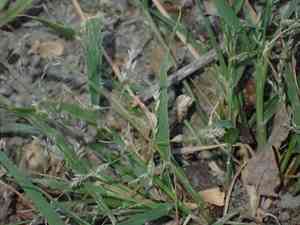
Japanese lovegrass, a graceful decorative grass, showcases ethereal flower clusters on thin stalks. Trim japanese lovegrass in Spring for clump rejuvenation, in Summer for shaping or to restrict seed dispersal, and in Fall to reduce its size prior to dormancy. Removing aged foliage stimulates fresh growth, boosting its vitality and fullness. Make certain to use precise, keen cuts approximately 4-6 inches above the soil. Consistent trimming preserves its appearance and manages its dimensions, upholding the elegant charm of japanese lovegrass.
What Are the Benefits of Pruning Japanese Lovegrass?
What Are the Benefits of Pruning Japanese Lovegrass?
Trimming japanese lovegrass promotes robust development and helps maintain its desired shape. Strategic cutting back revitalizes japanese lovegrass, encouraging a dense, appealing look suitable for garden aesthetics and plant vitality.
What Is the Best Time for Pruning Japanese Lovegrass?
What Is the Best Time for Pruning Japanese Lovegrass?
Pruning japanese lovegrass in spring coincides with the start of its active growth phase, fostering strong new growth and preserving plant form. Early summer trimming ensures the well-being of japanese lovegrass by removing spent blooms and any excess growth from spring, which can improve its appearance and prevent energy depletion. Late fall is appropriate for thinning out japanese lovegrass to eliminate dead or diseased foliage, preparing the plant for winter dormancy and preventing potential fungal issues that thrive on decaying matter in colder, wetter conditions.
What Tools Do I Need to Prune Japanese Lovegrass?
Hand Pruners
Hand pruners, also known as secateurs, are suitable for cutting the grass blades and slender stems of japanese lovegrass. Since japanese lovegrass typically does not have very thick stems, hand pruners offer sufficient precision for a clean cut without harming the plant.
Grass Shears
Grass shears are effective for trimming and shaping the delicate foliage of japanese lovegrass. This tool allows the gardener to easily snip off unwanted or excessively long blades, which is ideal for maintaining the neat appearance of japanese lovegrass.
Gardening Scissors
Gardening scissors provide accuracy for deadheading or trimming small sections of japanese lovegrass. They are also useful for thinning out thick clumps to encourage better air circulation within the plant.
Hedge Shears
For larger clusters or for cutting back the entire plant at the end of its growing season, hedge shears can be utilized. They enable quick and even trimming across the top of japanese lovegrass, ensuring a uniform shape as it regrows.
How to Prune Japanese Lovegrass
Sanitize tools
Before trimming japanese lovegrass, sterilize your pruning tools using a solution of one part bleach to nine parts water to prevent the spread of disease.
Identify withered leaves
Closely examine japanese lovegrass to identify all the withered leaves that are brown, dry, and have lost their vitality.
Cut withered leaves
Using your sterilized pruning shears, cut the withered leaves at the base where they meet the stem, taking care to make clean cuts without tearing.
Dispose withered leaves
Collect all the removed withered leaves of japanese lovegrass and dispose of them properly, away from the healthy plants to prevent potential pest infestation or disease transfer.
Monitor plant health
After pruning, monitor japanese lovegrass over the next few weeks for signs of new growth or any further issues, and make additional trims as necessary.
Common Pruning Mistakes with Japanese Lovegrass
Incorrect tool use
Using dull or unsanitary cutting tools can damage the stems of japanese lovegrass, leading to poor growth or disease.
Over pruning
Removing too much foliage at once can stress japanese lovegrass, potentially stunting its growth or causing death.
Pruning healthy growth
Cutting back green and healthy shoots can unnecessarily reduce the vigor of japanese lovegrass and delay its flowering.
Ignoring dead material
Failing to remove dead or diseased material may hinder the overall health and appearance of japanese lovegrass.
Inconsistent pruning
Pruning japanese lovegrass inconsistently can lead to uneven growth and an undesirable appearance.
Common Pruning Tips for Japanese Lovegrass
Clean sharp tools
Use clean, sharp pruning shears to make clean cuts that promote quick healing for japanese lovegrass.
Moderation
Prune japanese lovegrass moderately to maintain plant health without causing undue stress or shock to the plant.
Focus on deads
Target dead, diseased, or overgrown areas of japanese lovegrass to encourage air circulation and new growth without impacting healthy stems.
Shape maintenance
Prune japanese lovegrass to maintain its natural shape, rather than imposing an unnatural form, to enhance its aesthetic and health.
Prune for density
Thin out dense areas of japanese lovegrass carefully to avoid accidental removal of too much foliage, which supports photosynthesis and energy production.



