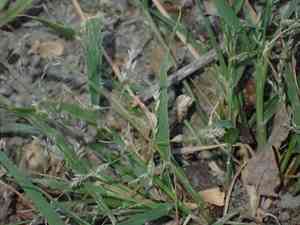
Japanese lovegrass (Eragrostis multicaulis)
Also known as: None
Japanese lovegrass (*Eragrostis japonica*) is an annual grass that thrives in tropical climates. Widely used as a lawn and ornamental grass globally, it has escaped cultivation in some regions and is regarded as invasive in places like Central America, Cuba, and the Pacific Islands. Preferring moist environments, it often proliferates in fields and disturbed sites and is known as a weed in rice crops in southern Asia.
In This Article
Attributes of Japanese lovegrass
Lifespan
Annual
Plant Type
Herb
Plant Height
50 cm
Spread
Variable, often forming dense tufts
Leaf Color
Green
Flower Size
10 cm
Flower Color
Yellow Green Purple Brown
Images of Japanese lovegrass
Quickly Identify Japanese lovegrass
1
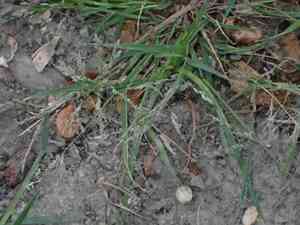
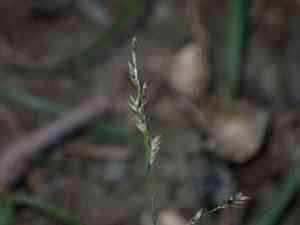
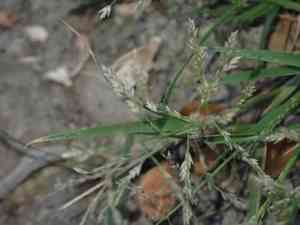
Eragrostis multicaulis can be identified by its multiple slender stems, thin leaves, and open panicles of small spikelets. Its height can vary, but it typically forms dense tufts.
Scientific Classification of Japanese lovegrass
Phylum
Vascular plants
Class
Monocotyledons
Order
Poales
Family
Grass
Genus
Lovegrasses
Species
Japanese lovegrass
Planting and Growing of Japanese lovegrass
Care Difficulty
Easy
Watering Schedule
Every 3 days
Sunlight Requirements
Partial sun
Sunshine Duration
6-10 hours
Ideal Temperature
68-77℉
Soil Type
Potting Mix, Peat Mix
Soil pH
6.5-7.5
Fertilizer Type
Balanced
Pruning Season
Spring, Summer
Pruning Area
Branches, Leaves
Pruning Frequency
2 times a year
Repotting Season
Spring
Pot Type
Plastic, Ceramic
 How to Water Japanese lovegrass?
For Eragrostis multicaulis, ensure the soil remains consistently moist but not waterlogged. Provide around 200 ml of water per session, making sure the water reaches the root zone without being excessive.
What are the symptoms of an underwatered Japanese lovegrass?
›
What should I do if my Japanese lovegrass is not getting enough water?
›
What are the symptoms of an overwatered Japanese lovegrass?
›
How to save an overwatered Japanese lovegrass?
›
 What Are the Sunlight Requirements for Japanese lovegrass?
Eragrostis multicaulis does best in partial sun to full sun conditions. With ideal lighting, it achieves optimal growth rates, robust health, and resistance to environmental stressors, enhancing its ornamental beauty and structural density.
What light conditions suit Eragrostis multicaulis best?
›
How can you achieve the ideal lighting conditions for Eragrostis multicaulis?
›
What are the benefits of providing ideal lighting to Eragrostis multicaulis?
›
 What Is the Ideal Temperature Range for Japanese lovegrass?
The ideal temperature range for Eragrostis multicaulis is between 68°F and 77°F. Within this temperature range, the plant can effectively photosynthesize and carry out its physiological functions, promoting optimal growth and health.
 What Soil is Best for Japanese lovegrass?
Eragrostis multicaulis thrives in soils that offer good drainage. Poor drainage can lead to root rot, but well-drained soils ensure roots stay healthy and dry. The plant does well in soils with moderate nutrient levels, supporting healthy growth without overwhelming it through excessive fertilization. Although requiring good drainage, the soil should also have adequate moisture retention to prevent the plant from drying out during prolonged dry spells.
 How to Fertilize Japanese lovegrass?
For Eragrostis multicaulis, it is important to use a balanced fertilizer with equal parts of nitrogen, phosphorus, and potassium. Liquid fertilizer should be diluted to half-strength to avoid any potential root burn and promote healthy growth.
 How to Prune Japanese lovegrass?
For effective pruning, equip yourself with sharp garden shears, gloves for protection, and sanitizing wipes. These tools ensure precise cuts and prevent the spread of potential diseases. Start by removing any dead or damaged blades at the base to encourage healthy new growth. Cut the healthy grass stems approximately one-third of their length, which stimulates denser growth and keeps the plant manageable.
More About Pruning Techniques→
 How to Propagate Japanese lovegrass plant?
1
Fill the seed tray with a high-quality seed-starting mix. Ensure the soil is moist but not waterlogged to provide a conducive environment for seed germination.
2
Sprinkle the Eragrostis multicaulis seeds evenly across the surface of the moistened soil. Press them down lightly but do not cover them with soil, as they require light for germination.
3
Place the seed tray in a warm area with indirect sunlight. The ideal temperature for germination is between 20-25°C (68-77°F). Keep the seeds continually moist using a fine mist sprayer.
 How to Repot Japanese lovegrass plant?
1
Keep an eye out for roots growing through the drainage holes or if the plant looks root-bound. If growth has slowed significantly, it could also be a sign that your plant needs more space. These are strong indicators that Eragrostis multicaulis is ready for a new pot.
2
Select a pot that is only slightly larger than the current one, with adequate drainage holes. A terra cotta pot can be particularly beneficial as it allows for good airflow and prevents overwatering, which is crucial for the health of Eragrostis multicaulis.
3
Opt for a well-draining sandy loam mix. This type of soil prevents waterlogging and allows for proper root aeration, ensuring your Eragrostis multicaulis receives the right balance of moisture and support.



