How to Prune Eragrostis ferruginea?
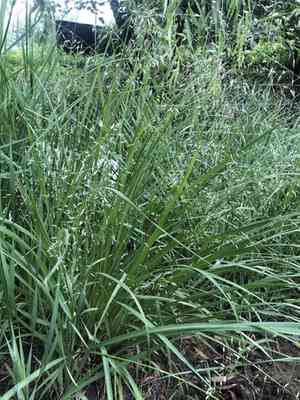
This enduring grass stands out for its resilience in impoverished soils and high temperatures. The ideal time for trimming eragrostis ferruginea is in early spring or winter, to eliminate aged foliage and encourage fresh, vigorous development. Trimming during these periods aids in preserving the plant's well-being and curbs excessive expansion. Consistent elimination of withered leaves is advantageous, improving both air movement and visual attractiveness. Make certain to use precise, keen cuts to prevent harm and facilitate quicker recuperation.
What Are the Benefits of Pruning Eragrostis Ferruginea?
What Are the Benefits of Pruning Eragrostis Ferruginea?
Trimming eragrostis ferruginea is crucial for maintaining its form and encouraging robust development. By selectively cutting back eragrostis ferruginea, gardeners can control its size, allowing for increased light and air movement, which promotes healthier growth and enhances its overall appearance.
What Is the Best Time for Pruning Eragrostis Ferruginea?
What Is the Best Time for Pruning Eragrostis Ferruginea?
The optimal periods for trimming or cutting back eragrostis ferruginea are early spring and winter. These seasons coincide with eragrostis ferruginea's dormant phase, when its growth is suspended. Winter pruning prepares eragrostis ferruginea for vigorous growth in the upcoming spring by removing old or dead foliage and improving overall plant health and structure. Early spring pruning, just before the start of the growing season, aids in shaping the plant and ensures energy is directed towards the development of new, healthy shoots, boosting its vitality and look. This timing also helps prevent the potential spread of diseases or pests that are more active during warmer months, thus contributing to a healthier plant life cycle.
What Tools Do I Need to Prune Eragrostis Ferruginea?
Hand Pruners
Perfect for trimming and shaping smaller or delicate stems on eragrostis ferruginea, hand pruners allow for precise cuts without significant harm to the plant's structure.
Grass Shears
Especially useful for managing the fine texture and dense growth of eragrostis ferruginea, grass shears assist in shaping and maintaining their aesthetic, facilitating even growth and promoting vigor.
Scissors
For detailed tasks, such as deadheading or thinning eragrostis ferruginea, scissors offer the necessary precision, particularly in densely planted areas where larger tools might be awkward.
How to Prune Eragrostis Ferruginea
Identify diseased and withered leaves
Carefully examine eragrostis ferruginea to find any leaves that are discolored, showing signs of illness, or appear shriveled and dried out. These are detrimental to eragrostis ferruginea's vitality because they can drain energy and spread disease to healthier parts.
Disinfect tools
Before beginning the pruning process, sanitize your pruning tools. This is vital to prevent the transmission of disease from infected parts to healthy areas of eragrostis ferruginea. Use a bleach or alcohol solution to sterilize the blades.
Prune diseased and withered leaves
Using your sterilized pruning shears, carefully remove the identified diseased and withered leaves. Make clean cuts at the base of each undesirable leaf, ensuring not to harm the healthy parts of eragrostis ferruginea.
Cleanup
After pruning, thoroughly clean the area around eragrostis ferruginea to remove all fallen debris. This prevents any fungal spores or pests harbored in the diseased and withered leaves from affecting eragrostis ferruginea.
Monitor health
Following pruning, observe eragrostis ferruginea regularly to check for signs of new growth or further indications of disease. Proper post-pruning monitoring helps maintain the health and vigor of eragrostis ferruginea.
Common Pruning Mistakes with Eragrostis Ferruginea
Over pruning
A common error when pruning eragrostis ferruginea is removing too much growth, which can stress the plant, leading to reduced vitality and fewer blooms. Aim to prune no more than one-third of the plant at a time.
Improper cut locations
Cuts made too far from a node or bud can leave stubs that are vulnerable to pests and diseases. Conversely, cutting too close can damage the budding area, hindering new growth.
Using dull tools
Dull pruning tools may crush or tear the plantâs stems, leading to damage and potential disease entry points. Always use sharp, clean tools for pruning.
Common Pruning Tips for Eragrostis Ferruginea
Clean cuts near nodes
Ensure you make clean, angled cuts close to the nodes. This positioning helps stimulate eragrostis ferruginea to produce new, healthy growth efficiently.
Prune for shape and health
Regularly remove dead, damaged, or overcrowded branches to maintain the health and aesthetic form of eragrostis ferruginea. This also helps improve light penetration and air circulation around the plant, which are crucial for its growth.
Post pruning care
After pruning eragrostis ferruginea, apply a light layer of mulch around the base to help the plant maintain moisture and provide nutrients. Avoid fertilizing immediately after pruning, as this can promote too much soft growth, which is vulnerable to diseases.



