How to Propagate Eragrostis ferruginea?
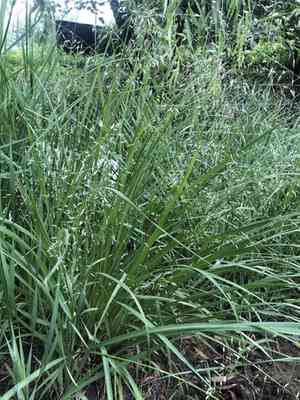
Eragrostis ferruginea belongs to the Eragrostis family, recognized for its adaptability across diverse environments. This species is best propagated through the method of division. Essential steps involve choosing robust parent clusters, verifying that each separated portion possesses a sufficient root structure, and transplanting them into comparable light and substrate conditions as the original plant to foster successful growth.
When Is the Best Time To Propagate Eragrostis Ferruginea?
Propagation Type
Separation
Propagation Season
Spring,Autumn
What Tools Are Used in Eragrostis Ferruginea Propagation?
Garden Spade or Fork
Utilized for digging up and lifting eragrostis ferruginea from the ground during division. Its sharp, flat blades enable precise cuts, minimizing root system damage and promoting better post-division recovery and growth.
Pruning Shears
Crucial for trimming surplus or dead foliage and roots both before and after division. Clean, sharp cuts enhance eragrostis ferruginea's survival chances and reduce disease transmission risk between divided sections.
Rooting Hormone Powder
Applied to the freshly cut ends of eragrostis ferruginea's roots to stimulate root development and improve establishment after division. This boosts the success rate of newly propagated plants.
Watering Can with a Fine Rose
Ensures gentle irrigation of eragrostis ferruginea after planting, helping to settle the soil around the roots without causing erosion or exposing the newly divided roots.
Garden Labels and Marker
Used to mark propagated eragrostis ferruginea divisions with relevant details like the division date and specific care instructions. This is vital for monitoring each division's progress and management.
How to Propagate Eragrostis Ferruginea?
Propagation Type
Simple
How to Care for Your Newly Propagated Eragrostis Ferruginea?
How to Care for Your Newly Propagated Eragrostis Ferruginea?
Following propagation, ensure eragrostis ferruginea receives consistent moisture, especially during dry spells, to aid root establishment. Eragrostis ferruginea thrives in full sun, so position plants in an area with ample sunlight. Regularly inspect for pests and diseases, addressing them promptly. During the growing season, apply a balanced fertilizer to encourage robust growth and flowering. Trim or cut back dead foliage in winter to maintain plant health and appearance.
Common Mistakes to Avoid When Propagating Eragrostis Ferruginea
Overwatering
Watering eragrostis ferruginea too often can lead to root rot, as its root system isn't designed for excessive moisture. Overwatered plants may show yellowing leaves and a general decline, hindering successful propagation.
Using non-adapted soil mix
Employing a soil mix that lacks proper drainage can be harmful for eragrostis ferruginea. Poorly draining soil retains too much moisture, increasing the likelihood of fungal infections and root diseases.
Excessive handling
Frequent handling or disturbance of eragrostis ferruginea's roots during propagation can stress the plant, resulting in reduced growth and lower survival rates. This disrupts the delicate root structures essential for effective nutrient uptake.
Tips For Propagating Eragrostis Ferruginea
Adequate soil preparation
Prepare a well-draining soil mix for eragrostis ferruginea, potentially enhancing it with sand or perlite to improve aeration and drainage. This helps mimic the natural soil conditions that eragrostis ferruginea thrives in.
Moderate watering
Provide eragrostis ferruginea with just enough water to keep the soil slightly moist, but not waterlogged. Allowing the top layer of soil to dry out between watering sessions can be beneficial for root health.
Careful root handling
Minimize the handling of eragrostis ferruginea's roots during the propagation process. Carefully place roots into the soil without excessive bending or manipulation to avoid physical damage and stress.



