How to Prune Chaparral willowherb?
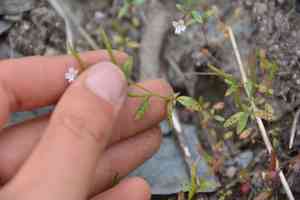
Epilobium canum, known for its diminutive, fragile blossoms and swift development, greatly benefits from consistent trimming to preserve its form and foster more robust flowering. Optimal periods for pruning are in spring, following the final frost, and extending through summer into early autumn. Excising deceased or frail stalks not only improves the plant's aesthetic but also hinders the proliferation of ailments. Endeavor to eliminate approximately one-third of the mature growth each year to stimulate fresh sprouts.
Advantages of Trimming Chaparral Willowherb
Advantages of Trimming Chaparral Willowherb
Trimming chaparral willowherb promotes robust development and preserves its form. Consistent cutting aids in preventing excessive growth and fosters a denser, more visually appealing structure.
Optimal Period for Pruning Chaparral Willowherb
Optimal Period for Pruning Chaparral Willowherb
Pruning chaparral willowherb during Spring, Summer, and Fall aligns with its active growth phases, ensuring quick recovery and minimal stress. Spring pruning stimulates new growth and shapes the plant before the main growing season. Summer pruning is ideal for removing any dead or excess growth from earlier months, enhancing aesthetics and health by improving light penetration and air circulation. Fall pruning prepares chaparral willowherb for winter by removing diseased or damaged growth, reducing the risk of fungal infections and other diseases in cooler, moist conditions.
Necessary Tools for Pruning Chaparral Willowherb
Hand Pruners
Perfect for snipping off dead or overgrown stems of chaparral willowherb, especially given the plant's relatively thin and delicate stems. These pruners enable precise cuts crucial for maintaining plant health and desired form.
Pruning Shears
Useful for shaping the plant and managing its spread. As chaparral willowherb is a herbaceous plant, shears offer a quick way to control excess growth and maintain an attractive appearance.
Gardening Gloves
Recommended for protection when handling chaparral willowherb, particularly to guard against potential skin irritants from the plant or pests that might reside on it.
How to Prune Chaparral Willowherb
Identify
Locate all withered or dead leaves on chaparral willowherb. These typically appear discolored, dry, and may be curled or crumpled.
Prepare
Ready your pruning tools. Use a sharp, clean pair of pruning shears or scissors to ensure a clean cut, which helps prevent damage to the remaining healthy parts of chaparral willowherb.
Cut
Carefully snip the withered leaves at their base where they connect to the stem or a healthy part of the leaf's stem. Avoid pulling the leaves to prevent accidental damage to the plant's healthier sections.
Dispose
Remove and properly discard the cut leaves to prevent any potential disease spread. Do not compost diseased or pest-infested material.
Check
After pruning, inspect chaparral willowherb for any signs of pests or diseases on the remaining healthy leaves. Regular monitoring helps maintain the health of chaparral willowherb.
Common Pruning Errors with Chaparral Willowherb
Overpruning
A common error when pruning chaparral willowherb is removing too much of the plant at once. This can stress the plant, leading to stunted growth or reduced resistance to pests and diseases.
Incorrect cuts
Making cuts too close to the main stem or too far from the buds can harm chaparral willowherb. Such poor technique can allow diseases to enter through the wounds and hinder future growth.
Pruning for shape only
Focusing solely on shaping chaparral willowherb without considering the plant's health and natural growth pattern can result in an unnatural appearance and diminished vigor.
General Pruning Advice for Chaparral Willowherb
Selective thinning
Remove only the oldest and most overgrown stems, which encourages chaparral willowherb to produce new, healthy growth. This helps maintain the plantâs natural shape and improves air circulation.
Clean cuts
Make clean cuts at a 45-degree angle about one-quarter inch above an outward-facing bud. This encourages outward growth and prevents water from accumulating on the cut surface, reducing disease risk.
Post-bloom trimming
Trimming chaparral willowherb right after it finishes blooming can help to stimulate a second bloom and maintain an attractive shape. Focus on removing spent flowers and any diseased or dead wood.



