The Chaparral willowherb Plant Advantage: Maximizing Home and Office Appeal and Wellness
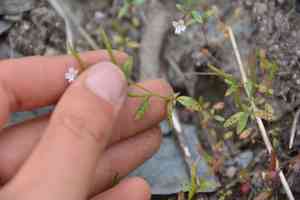
1
Chaparral willowherb excels at preventing soil erosion because of its widespread root network.
2
This species draws in helpful pollinators such as bees and butterflies.
3
Chaparral willowherb is suitable for naturalistic garden designs to boost ecological variety.
How Can Chaparral willowherb Improve Soil Health?
Erosion Control
Chaparral willowherb excels at preventing soil erosion due to its extensive and robust root system. These roots help stabilize the ground, preventing it from washing away during heavy rainfall. This characteristic makes Chaparral willowherb an excellent option for planting on slopes and in areas prone to erosion, helping to maintain landscape integrity while protecting water quality by reducing sediment runoff.
Nutrient Enrichment
The root system of Chaparral willowherb not only stabilizes soil but also contributes to nutrient enrichment. As the plant's roots grow and decompose, they add organic matter to the soil, enhancing its fertility. This, in turn, supports the growth of other plants and contributes to a healthier, more balanced ecosystem. Additionally, Chaparral willowherb can improve soil structure, making it more capable of retaining water and nutrients.
Why Is Chaparral willowherb a Magnet for Pollinators?
Attracting Bees and Butterflies
Chaparral willowherb is an excellent pollinator plant, particularly known for attracting bees and butterflies. Its flowers serve as a rich source of nectar and pollen, essential for the survival and reproduction of these insects. By supporting pollinators, Chaparral willowherb plays a crucial role in the pollination of other plants, including many agricultural crops, thereby supporting biodiversity and food production.
Enhancing Biodiversity
In addition to bees and butterflies, Chaparral willowherb attracts a variety of other beneficial insects. This diversity of pollinators can help to create a more balanced and resilient ecosystem. Moreover, the presence of these insects can support the growth of other plants in your garden by aiding in their pollination and repelling harmful pests.
What Are the Landscaping Benefits of Chaparral willowherb?
Aesthetic Appeal
Chaparral willowherb offers significant aesthetic benefits for natural landscaping projects. Its delicate flowers can add a touch of beauty and elegance to any garden. Its ability to thrive in different environmental conditions makes it a versatile choice for a variety of landscaping designs, from rustic meadows to more structured garden settings.
Low Maintenance
Chaparral willowherb is a low-maintenance plant, requiring minimal care once established. Its natural resilience to pests and diseases means less reliance on chemical interventions, making it an eco-friendly choice for gardens and landscapes. Additionally, its drought-tolerant nature means it can thrive with minimal watering, saving both time and resources.
How Does Chaparral willowherb Contribute to Environmental Sustainability?
Supporting Wildlife
Chaparral willowherb provides a valuable habitat and food source for various forms of wildlife, from insects to birds. These animals, in turn, contribute to the health of the ecosystem by participating in pollination, seed dispersal, and pest control. By planting Chaparral willowherb, you are helping to support the local wildlife, promoting biodiversity, and creating a more sustainable environment.
Reducing Chemical Use
Due to its low maintenance nature and natural resistance to pests, Chaparral willowherb can reduce the need for chemical fertilizers and pesticides in your garden. This not only lowers your gardening costs but also minimizes the environmental footprint associated with chemical usage, promoting a healthier and more sustainable garden ecosystem.



