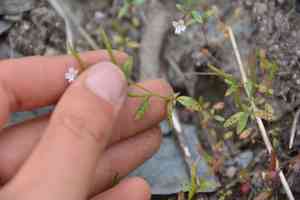
Chaparral willowherb (Epilobium minutum)
Also known as: Desert willowherb
Chaparral willowherb flourishes in open, disturbed habitats, blooming from spring to fall. These wildflowers support pollinators, and their seeds serve as winter food for wildlife.
In This Article
Attributes of Chaparral willowherb
Lifespan
Annual
Plant Type
Herb
Plant Height
2.5 cm to 10 cm
Spread
N/A
Leaf Color
Green
Flower Size
Approximately 0.2 inches (5 mm)
Flower Color
White Purple
Images of Chaparral willowherb
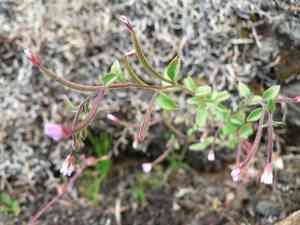
Quickly Identify Chaparral willowherb
1
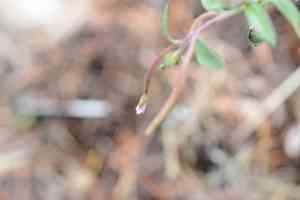
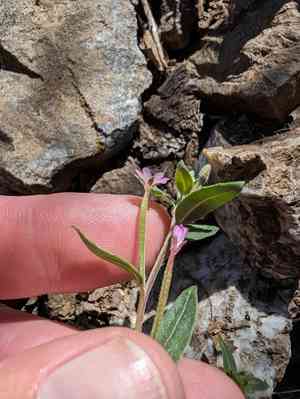
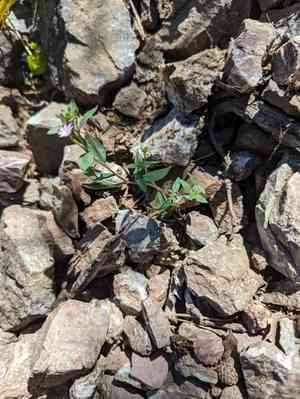
This plant is identified by its small size, linear to lanceolate leaves, and small pink to pale purple flowers. It often grows in clumps and has a slender, slightly woody base.
Scientific Classification of Chaparral willowherb
Phylum
Vascular plants
Class
Dicotyledons
Order
Myrtales
Family
Evening primrose
Genus
Willowherbs
Species
Chaparral willowherb
Planting and Growing of Chaparral willowherb
Care Difficulty
Easy
Watering Schedule
Every 2 days
Sunlight Requirements
Full sun
Sunshine Duration
4-8 hours
Ideal Temperature
60-75℉
Soil Type
Potting Mix, Peat Mix
Soil pH
6.5-7.5
Fertilizer Type
Balanced
Pruning Season
Spring, Summer
Pruning Area
Branches, Leaves
Pruning Frequency
2 times a year
Repotting Season
Spring
Pot Type
Plastic, Ceramic
 How to Water Chaparral willowherb?
Epilobium minutum needs modest watering, around 200ml per session. It's crucial to maintain a balance by ensuring the soil stays moist but not waterlogged. Ideally, water until it slightly seeps through the drainage holes in the pot and remove any excess in the saucer. The key is to keep the earth damp while allowing the top inch to dry out before the next watering.
What are the symptoms of an underwatered Chaparral willowherb?
›
What should I do if my Chaparral willowherb is not getting enough water?
›
What are the symptoms of an overwatered Chaparral willowherb?
›
How to save an overwatered Chaparral willowherb?
›
 What Are the Sunlight Requirements for Chaparral willowherb?
Epilobium minutum thrives in full to partial sun environments, ensuring robust flowering and strong growth. This light range encourages optimal physiological processes, enhancing the plant's resilience and health.
How much sunlight does Epilobium minutum need?
›
Where to place Epilobium minutum for best light?
›
What benefits does proper light give to Epilobium minutum?
›
 What Is the Ideal Temperature Range for Chaparral willowherb?
Epilobium minutum thrives best in regions where the daytime temperature stays between 60°F to 75°F. This ideal temperature range ensures optimal photosynthesis, promoting healthy growth and development. Maintaining these temperatures, especially during the plant's active growing season, leads to vibrant foliage and prolific flowering.
 What Soil is Best for Chaparral willowherb?
Epilobium minutum thrives in soil that provides excellent drainage. Waterlogged conditions can be detrimental, leading to root rot. A well-draining soil helps maintain the right moisture levels around the roots, ensuring healthy growth. While this plant can survive in less fertile soils, it prefers those with moderate levels of nutrients. Amending the soil with organic matter can boost its nutrient content, helping Epilobium minutum grow more robustly with vibrant foliage and flowers. Epilobium minutum favors a sandy loam texture. Such a texture balances moisture retention with drainage and provides ample space for root expansion, promoting strong, healthy root systems.
 How to Fertilize Chaparral willowherb?
Epilobium minutum requires a light hand when it comes to fertilizers. Utilize a diluted liquid fertilizer mix with a concentration of a quarter of the recommended amount for more sensitive plants. This ensures adequate feeding without startling the plant's natural growth cycle.
 How to Prune Chaparral willowherb?
Begin by examining your Epilobium minutum for any dead or damaged stems, and remove these completely to allow the plant to focus its energy on healthier growth. Use clean, sharp shears to make clean cuts just above a leaf node. Trim back the plant to maintain your desired shape, usually about a third of its overall size, ensuring that air can circulate freely through the plant. This prevents mildew and encourages robust blooming. Throughout the blooming period, remove any faded or spent flowers from Epilobium minutum to encourage more blooms. Deadheading can be done with hand pruners or simply by pinching with your fingers. This not only keeps the plant looking tidy but also prevents it from using energy on seed production, thereby prolonging the flowering period.
More About Pruning Techniques→
 How to Propagate Chaparral willowherb plant?
1
Begin by collecting seeds from mature plants. Ensure they are dry and free from any debris. Pre-soak the seeds overnight to improve germination rates.
2
Use a well-draining potting mix to fill seed trays or pots. The soil should be slightly moist but not waterlogged to provide optimal conditions for seedling growth.
3
Select healthy stems from the mother plant and make a clean cut just below a node. Remove any lower leaves and dip the cut end into rooting hormone to encourage root development.
 How to Repot Chaparral willowherb plant?
1
Epilobium minutum should be repotted when you notice roots emerging from drainage holes or when the plant's growth visibly slows. These are clear signs that the plant has outgrown its current pot. Spring and autumn are the perfect seasons to repot, allowing the plant to be less stressed and settle well into its new home.
2
Choose a pot that is 1 to 2 inches larger in diameter than the current one. Ensure it has sufficient drainage holes to prevent waterlogging. A slightly larger pot promotes healthy root growth, providing more space for nutrient absorption, which boosts the overall health and vigor of the plant.
3
Select a well-draining potting mix that comprises a blend of organic matter and perlite or sand. This ensures adequate aeration and prevents water retention, which is crucial for preventing root rot and maintaining the plant's health. A good soil mix will support robust growth and vibrant foliage.



