How to Prune Crucifix orchid?
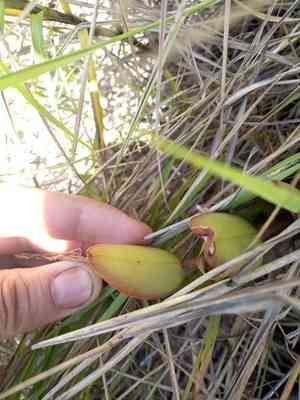
A member of the orchidaceae family, the unique crucifix orchid is recognized for its cane-like stalks and brilliant blossoms. Trimming involves eliminating discolored or injured foliage and withered flower stalks to stimulate fresh development and flowering. Removing spent blooms after they wilt is essential. Ideal pruning can occur throughout the year because of its continuous growth pattern, but it is most advantageous following the blooming period. This maintenance fosters robust, thriving plants and prevents energy expenditure on superfluous leaves, thereby supporting a more abundant flowering season.
What Are the Benefits of Pruning Crucifix Orchid?
What Are the Benefits of Pruning Crucifix Orchid?
Trimming crucifix orchid promotes more abundant flowering, stimulates robust development, and helps maintain its desired form, enhancing both visual appeal and plant vitality.
What Is the Best Time for Pruning Crucifix Orchid?
What Is the Best Time for Pruning Crucifix Orchid?
For crucifix orchid, trimming can occur year-round due to its continuous growth and frequent bloom cycles. This adaptability is ideal as crucifix orchid lacks a distinct dormant period. Regular pruning helps maintain an attractive shape, encourages branching, and improves air circulation, all contributing to the plant's overall well-being. Furthermore, promptly removing faded flowers often stimulates reblooming. It's important to prune lightly and only when necessary to avoid stressing the plant.
What Tools Do I Need to Prune Crucifix Orchid?
Sterilized Scissors
Perfect for snipping off dead or yellowed leaves from crucifix orchid, minimizing the risk of disease transmission.
Bypass Pruners
Best for making clean cuts on thicker stems without crushing plant tissues, which is especially crucial for the health of crucifix orchid.
Tweezers
Useful for clearing debris and dead plant material from the base of crucifix orchid, offering a more precise tool for delicate areas.
Rubbing Alcohol or Bleach Solution
Essential for sanitizing pruning tools before and after use, reducing the chance of spreading pathogens to crucifix orchid.
How to Prune Crucifix Orchid
Clean Tools
Before trimming crucifix orchid, always begin by sterilizing your pruning implements. Use a solution of 1 part bleach to 9 parts water or rubbing alcohol to prevent disease spread.
Remove Diseased Parts
Carefully inspect crucifix orchid and remove any diseased leaves and branches first. Cut back to healthy tissue to ensure affected parts do not impact the rest of the plant.
Trim Withered Elements
After diseased parts are removed, prune away any withered leaves and dead branches. Make a clean cut at the base of the withered element to encourage healthy growth.
Deadhead Flowers
Deadhead spent flowers by snipping the withered flower stalks close to the main stem. This will encourage crucifix orchid to produce more blooms and maintain a neat appearance.
Cleanup
Once all trimming is complete, clear away any fallen debris around crucifix orchid to reduce the chance of pests and diseases. Dispose of the pruned material away from healthy plants.
Common Pruning Mistakes with Crucifix Orchid
Over Pruning
Cutting back too many stems or flowers can severely weaken crucifix orchid, as it relies on its foliage for photosynthesis. Pruning more than one third of the plant at a time can cause undue stress.
Improper Cut Sites
Creating cuts in the wrong location can lead to disease entry or poor regrowth. It is essential to make clean cuts just above the nodes where new growth can emerge.
Using Dull Tools
Dull pruning tools can cause jagged cuts that are more susceptible to disease and may damage crucifix orchid's delicate stems, inhibiting healthy regrowth.
Removing Healthy Growth
Eliminating healthy stems and pseudobulbs can limit crucifix orchid's flowering potential. It's critical to focus on dead or diseased tissue to promote better blooms.
Lack Of Cleanliness
Not sterilizing tools between cuts can spread disease from one part of crucifix orchid to another, endangering the entire plant's health.
Common Pruning Tips for Crucifix Orchid
Sterilize Tools
Clean and disinfect pruning tools before and after use to prevent the spread of disease among crucifix orchid's stems and ensure clean cuts that heal quickly.
Target Dead Diseased Growth
Focus on removing dead, diseased, or damaged stems to direct the plant's energy towards healthy growth and blooming.
Cut At Node
Make pruning cuts just above a node, where a leaf joins the stem, to encourage new growth. This is key to stimulating regrowth and maintaining plant shape.
Prune After Flowering
Trimming back spent flower spikes after blooms have faded can stimulate crucifix orchid to produce new shoots, potentially leading to a more robust blooming phase.
Moderate Pruning
Practice moderation by only pruning the necessary amount of growth. Overzealous trimming can do more harm than good, potentially stunting future blossoms.



