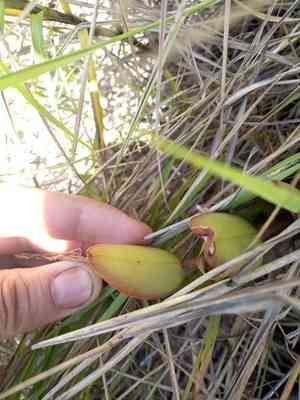
Crucifix orchid (Epidendrum ibaguense)
Also known as: Fiery reed orchid, Fire star orchid
The Crucifix orchid (Epidendrum ibaguense) is an epiphytic orchid, which means it typically grows on other plants. It is found in countries such as Trinidad, French Guiana, Venezuela, Colombia, and northern Brazil.
In This Article
Attributes of Crucifix orchid
Lifespan
Perennial
Plant Type
Herb
Plant Height
90 cm
Spread
25 cm
Leaf Color
Green
Flower Size
2.5 cm to 8 cm
Flower Color
Red Orange Yellow Pink
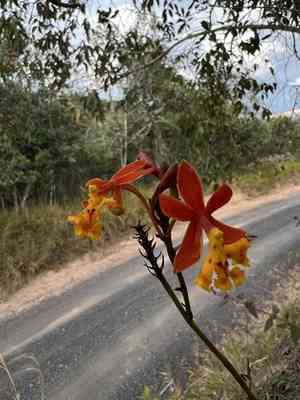
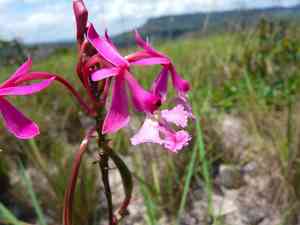
Images of Crucifix orchid

Quickly Identify Crucifix orchid
1
Vibrant, clustered flowers in white, orange, pink, or red, with a fringed inner lip.
2
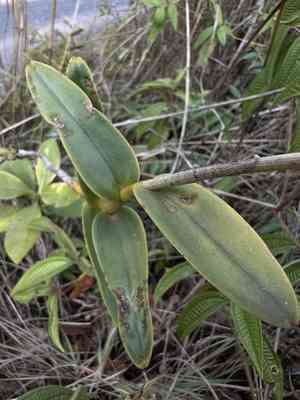
Strap-like, evergreen leaves up to 4 inches (10 cm) long, linear-lanceolate in shape.
3
Robust green stems up to 3 feet (90 cm) tall, occasionally branched, with gray or brown sheathes.
4
Distinctive lower lip of flowers resembling a cross.
5
Parallel veining pattern on leaves, arranged alternately for a verdant appearance.
Scientific Classification of Crucifix orchid
Phylum
Vascular plants
Class
Monocotyledons
Order
Asparagales
Family
Orchid
Genus
Orchid
Species
Crucifix orchid
Planting and Growing of Crucifix orchid
Care Difficulty
Easy
Watering Schedule
Every 4 days
Sunlight Requirements
Full sun
Sunshine Duration
4-8 hours
Ideal Temperature
65-75℉
Soil Type
Potting Mix, Peat Mix
Soil pH
6.5-7.5
Fertilizer Type
Balanced
Pruning Season
Spring, Summer
Pruning Area
Branches, Leaves
Pruning Frequency
2 times a year
Repotting Season
Spring
Pot Type
Plastic, Terracotta
 How to Water Crucifix orchid?
Epidendrum ibaguense, also known as Ibagué Epidendrum, thrives with a modest watering approach. Water the plant until you see moisture lightly appearing in the drainage holes. The soil should remain slightly damp but never waterlogged, adhering to a rule of giving just enough to keep the roots hydrated without sitting in water.
What are the symptoms of an underwatered Crucifix orchid?
›
What should I do if my Crucifix orchid is not getting enough water?
›
What are the symptoms of an overwatered Crucifix orchid?
›
How to save an overwatered Crucifix orchid?
›
 What Are the Sunlight Requirements for Crucifix orchid?
Epidendrum ibaguense thrives best in half to full-day sun exposures, ensuring vigorous blooms and healthy foliage. Adequate light maximizes flower production and overall plant robustness.
More About Sunlight Requirements Techniques→
How much light should they receive?
›
What if my garden is shaded?
›
How do I optimize lighting for indoors?
›
 What Is the Ideal Temperature Range for Crucifix orchid?
Epidendrum ibaguense thrives in temperatures ranging from 65°F to 75°F. This range provides optimal energy for photosynthesis, ensuring vibrant growth and blooming. Staying within these limits minimizes stress, enhancing plant health and flower production.
 What Soil is Best for Crucifix orchid?
Epidendrum ibaguense thrives in well-draining soil, which prevents waterlogging and root rot. Ensuring good drainage is crucial to maintain a healthy root system and optimal growth. The plant prefers soil with moderate fertility, providing essential nutrients without overwhelming its delicate system. Balanced fertility supports vibrant blooms and vigorous stem growth. Maintaining a stable pH level between 6.5 and 7.5 is critical. This range allows for adequate nutrient availability and mitigates potential nutrient deficiencies or toxicities.
 How to Fertilize Crucifix orchid?
For Epidendrum ibaguense, use a balanced 20-20-20 liquid fertilizer diluted to half strength. Apply approximately 1/4 teaspoon of fertilizer per gallon of water for liquid application. This ensures the plant receives nutrients without overwhelming its system.
 How to Prune Crucifix orchid?
Start by cutting away dead or yellowed leaves using sterilized scissors. This keeps the plant tidy and prevents pests from harboring in the decaying matter. Cut as close to the stem as possible without damaging it. Look for flower spikes that have finished blooming and cut them back to the stem. This diverts energy from sustaining old growth to developing new flowers and ensures continuous flowering in future cycles. While pruning, take the opportunity to shape your Epidendrum ibaguense. Trim unruly or wayward branches to create a more balanced appearance. This not only enhances aesthetics but also ensures even light distribution across the plant.
More About Pruning Techniques→
 How to Propagate Crucifix orchid plant?
1
Epidendrum ibaguense seeds are extremely small and dust-like. It is crucial to prepare them by cleaning and possibly treating them with a fungicidal solution to prevent mold during germination.
2
Prepare a nutrient-rich, well-draining medium that contains components like perlite, fine bark, and chopped sphagnum moss to encourage root development and proper drainage.
3
Once seeds are sown, lightly mist them to ensure they have ample moisture, but avoid overwatering to prevent rot. Maintaining the right humidity is key for successful germination.
 How to Repot Crucifix orchid plant?
1
Epidendrum ibaguense should be repotted when you see roots growing out of the drainage holes or when the existing mix starts to decompose. Typically, this occurs every two years, unless the plant shows signs of distress earlier.
2
Select a pot that is just one size larger than the current one. Ensure it has adequate drainage holes to let excess water escape, preventing root rot. A heavy base helps to prevent tipping if the plant grows tall. This balance ensures the plant anchors well while accommodating its growth.
3
Use a well-draining orchid potting mix, which typically consists of bark, perlite, and charcoal. This mixture mimics the plant’s natural epiphytic environment, providing excellent air circulation to the roots and preventing excessive moisture retention.



