How to Prune Western false rue anemone?
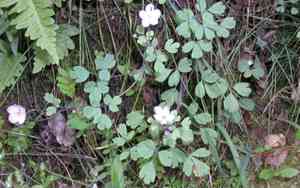
The Western false rue anemone is distinguished by its fragile, star-like blossoms and slender leaves. To ensure peak condition, undertake pruning in early spring or late winter while the plant is dormant. Eliminate any deceased or compromised stalks to stimulate fresh development and preserve its form. Gentle trimming aids in revitalizing the plant and enhancing air movement. Be aware that excessive pruning can impede flowering and general vigor. Pruning contributes to a sturdier, more appealing garden plant and assists in controlling its expansion.
Advantages of Trimming Western False Rue Anemone
Advantages of Trimming Western False Rue Anemone
Trimming western false rue anemone encourages robust development and helps maintain its form, boosting its overall vitality. This method also prevents congestion, lowers disease risks, and promotes better blooming, ensuring a lush and tidy look in your garden.
Optimal Period for Trimming Western False Rue Anemone
Optimal Period for Trimming Western False Rue Anemone
Trimming western false rue anemone in early spring or late winter is ideal as this occurs just before its active growth phase. Pruning at these times helps minimize plant stress and avoids disrupting its flowering cycle. Additionally, late winter or early spring pruning aids in shaping the plant, removing dead or damaged branches, and stimulating healthy new growth. These seasons also reduce the likelihood of disease transmission and pest infestations that might arise from pruning at other times of the year.
Necessary Tools for Trimming Western False Rue Anemone
Hand Pruners
Hand pruners are crucial for making precise cuts on delicate stems and small branches. Perfect for western false rue anemone's fragile structure.
Pruning Shears
Pruning shears are excellent for accurate shaping and removing dead or damaged sections without harming the plant.
Gardening Scissors
Gardening scissors are useful for detailed work and snipping off spent flowers or leaves.
Bypass Pruners
Bypass pruners deliver clean cuts, preventing damage to the plant's soft tissue, which is vital for disease prevention.
Method for Trimming Western False Rue Anemone
Examine and identify
Carefully check western false rue anemone for any diseased or withered foliage. Use clean, sharp pruning shears to ensure a neat cut and prevent further harm.
Remove diseased leaves
Starting with the most affected areas, cut back diseased leaves at their base. Ensure proper disposal of these leaves to prevent disease spread.
Remove withered leaves
Trim off any withered leaves by cutting them close to the plant's base. These leaves are often dead and can be safely removed to encourage new growth.
Sanitize tools
After removing all diseased and withered leaves, disinfect your pruning tools with a solution of one part bleach to nine parts water to prevent pathogen spread.
Monitor and maintain
Regularly inspect western false rue anemone for any new signs of disease or wilting and repeat the pruning process as needed, ensuring the plant remains healthy and robust.
Common Trimming Errors with Western False Rue Anemone
Incorrect technique
Using dull or unsuitable tools can cause tears and damage to plant tissue, leading to disease and poor recovery.
Excessive trimming
Removing too much of the plant, especially over one-third of its foliage, can stress western false rue anemone and hinder its growth and flowering potential.
Trimming at the wrong height
Cutting too close to the ground can deprive the plant of essential leaf surface area needed for photosynthesis, while cutting too high can result in leggy growth.
Neglecting hygiene
Failing to clean pruning tools before and after use can spread diseases and pests among plants.
Disregarding the plant's natural form
Trimming without considering western false rue anemone's natural growth habit can lead to an unnatural appearance and diminish its ornamental value.
General Trimming Advice for Western False Rue Anemone
Utilize sharp, clean tools
Ensure all pruning tools are sharpened and sterilized to make precise cuts and minimize the risk of disease transmission.
Limit trimming extent
Avoid removing more than 25-30% of the plant's foliage at one time to reduce stress and promote healthier recovery.
Follow the natural shape
Prune in a manner that preserves western false rue anemone's natural form, which typically involves removing dead or damaged stems and lightly thinning dense areas to improve air circulation.
Make clean cuts
Always cut just above a leaf node or bud to encourage new growth in the desired direction and avoid leaving stubs that can become entry points for pests.
Monitor plant health
Regularly inspect western false rue anemone for signs of disease or pest infestation, and promptly remove any affected parts to prevent spread.



