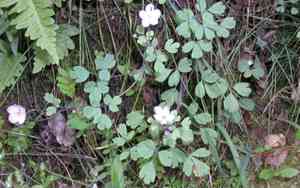
Western false rue anemone (Enemion occidentale)
Also known as: Western False Rue Anemone
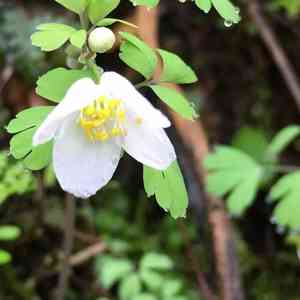
The Western false rue anemone, with its delicate white flowers and yellow centers, typically blossoms in early spring. It favors the dappled shade of North American deciduous forests, thriving best in moist, loamy soil. This perennial plant is recognized by its finely divided, lobed leaves, which contribute to its graceful, airy presence in the forest understory.
In This Article
Attributes of Western false rue anemone
Lifespan
Perennial
Plant Type
Herb
Plant Height
10-40 cm
Spread
N/A (herb)
Leaf Color
Green
Flower Size
2-3 cm
Flower Color
White
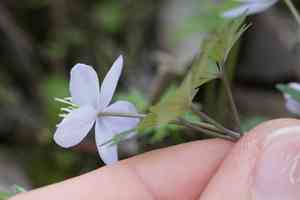
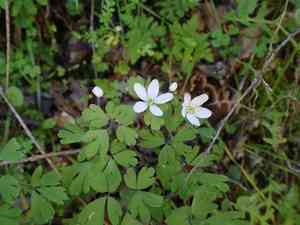
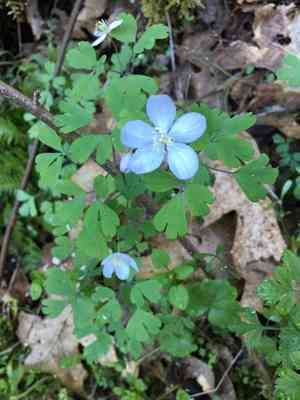
Images of Western false rue anemone
Quickly Identify Western false rue anemone
1
Identify Enemion occidentale by its distinct five-petaled white flowers that bloom in clusters, and its finely divided, fern-like leaves. It typically grows in moist, shaded woodland areas.
Scientific Classification of Western false rue anemone
Phylum
Vascular plants
Class
Dicotyledons
Order
Ranunculales
Family
Buttercup
Genus
False-rue anemones
Species
Western false rue anemone
Planting and Growing of Western false rue anemone
Care Difficulty
Moderate
Watering Schedule
Every 3 days
Sunlight Requirements
Partial sun
Sunshine Duration
6-12 hours
Ideal Temperature
60-75℉
Soil Type
Potting Mix, Peat Mix
Soil pH
6.5-7.5
Fertilizer Type
Balanced
Pruning Season
Spring, Summer
Pruning Area
Branches, Leaves
Pruning Frequency
2 times a year
Repotting Season
Spring
Pot Type
Plastic, Ceramic
 How to Water Western false rue anemone?
For Enemion occidentale, aim to water with about 150 milliliters per session. This amount ensures that the soil is sufficiently moist but not waterlogged. It is important to allow the top inch of soil to dry out between watering sessions to prevent root rot.
What are the symptoms of an underwatered Western false rue anemone?
›
What should I do if my Western false rue anemone is not getting enough water?
›
What are the symptoms of an overwatered Western false rue anemone?
›
How to save an overwatered Western false rue anemone?
›
 What Are the Sunlight Requirements for Western false rue anemone?
Ideal light range for Enemion occidentale is partial sun to full shade, which ensures healthy growth and optimal flowering. This lighting aligns with the plant's natural habitat, promoting robust foliage and stress resistance.
What is the ideal lighting condition for Enemion occidentale?
›
How can you ensure Enemion occidentale receives the ideal light?
›
What benefits does Enemion occidentale gain from ideal lighting?
›
 What Is the Ideal Temperature Range for Western false rue anemone?
For optimal growth, Enemion occidentale thrives in temperatures ranging from 60°F to 75°F. This range provides a stable environment that supports its metabolic processes and overall health, permitting vibrant foliage and robust flowering. In these temperatures, the plant is less susceptible to stress, ensuring vigorous growth and development.
 What Soil is Best for Western false rue anemone?
Enemion occidentale thrives in well-draining soil, which prevents water from pooling around the roots, thus averting root rot. This type of soil supports healthy root systems, encouraging vibrant growth and robust plant health. The presence of abundant organic matter is crucial for Enemion occidentale. Such soil provides essential nutrients and enhances moisture retention, creating an environment conducive to flourishing growth. While this plant prefers consistent moisture, overly saturated conditions can be detrimental. Thus, soil with moderate moisture levels ensures the plant remains hydrated without excess, promoting optimal health and vitality.
 How to Fertilize Western false rue anemone?
Enemion occidentale requires a balanced approach to fertilization. Use a water-soluble fertilizer with a 10-10-10 NPK ratio. Dilute the fertilizer to half the recommended strength on the package. Typically, for a small plant, about 50-100 ml of this solution should suffice per application.
 How to Prune Western false rue anemone?
Begin by identifying any dead, damaged, or diseased stems, which can be pruned back to the healthy wood to improve overall plant health. Gently shape the plant by selectively shortening overly long stems to create an even, appealing silhouette that complements its natural growth habit. Prune to encourage bushiness and vigor by cutting stems back to a node or junction, which can stimulate the growth of new, healthier foliage.
More About Pruning Techniques→
 How to Propagate Western false rue anemone plant?
1
Collect seeds from mature Enemion occidentale plants once the seed pods have dried but before they open naturally. This ensures the seeds are viable and ready for propagation.
2
Prepare a soil mix that is well-draining and rich in organic matter. This creates an optimal environment for the seeds to germinate and the divisions to root successfully.
3
Sow the seeds thinly in the prepared seed trays, ensuring they are not overly crowded. Cover them lightly with soil and water gently to avoid displacing the seeds.
 How to Repot Western false rue anemone plant?
1
Enemion occidentale should be repotted when you notice the roots beginning to crowd the pot or when the plant appears sluggish in growth, indicating rootbound conditions. Spring or autumn offer the best conditions with moderate temperatures that minimize stress during repotting.
2
Choose a pot that's slightly larger than the current one, with drainage holes to prevent waterlogging. This ensures that Enemion occidentale can spread its roots comfortably, promoting healthier growth and reducing the risk of root rot.
3
Select a well-draining loam soil. This kind of soil offers excellent aeration and drainage, ensuring that the roots of the Enemion occidentale are neither suffocated nor overwatered, thus promoting vibrant and healthy growth.
Toxicity
Ingestion
WARNING
The judgment on toxicity and danger is for reference only. We DO NOT GUARANTEE any accuracy of such judgment. Therefore, you SHALL NOT rely on such judgment. It is IMPORTANT TO SEEK PROFESSIONAL ADVICE in advance when necessary.
Learn More About Western false rue anemone Diseases
Anthracnose
Bacterial Leaf Spot
Bacterial Soft Rot
Bacterial Wilt
Chemical Injury
Damping-off
Downy Mildew
Drought Stress
Fusarium Wilt
Gray Mold
Leaf Spot
Mosaic
Nutrient Deficiency
Nutrient Toxicity
Powdery Mildew
Root Rot
Root-knot Nematode
Rusts
Sooty Mold
Spider Mites
Temperature Stress
Thrips Damage
White Mold



