How to Propagate Western false rue anemone?
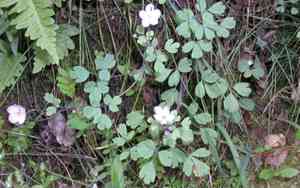
Anemone deltoidea flourishes in damp, adequately drained earth under conditions ranging from partial to complete shade. Seed propagation is successful; confirm that seeds are placed on the soil's surface since light is essential for their germination. Sustain consistent soil humidity to facilitate sprouting. After the emergence of young plants, preserve soil moisture without allowing it to become waterlogged. Translocation of seedlings can occur once they are sufficiently sturdy. Periodically inspect for infestations and ailments to guarantee vigorous development.
When Is the Optimal Time to Propagate Western False Rue Anemone?
Propagation Method
Seeding
Propagation Period
Spring
What Equipment Is Utilized in Western False Rue Anemone Propagation?
Seed Tray
A shallow container for holding soil and young plants. Perfect for starting western false rue anemone seeds, as it allows for adequate drainage and air circulation, preventing waterlogging of seedlings.
Seed Starting Mix
A sterile, free-draining soil blend for germinating seeds. Offers the ideal texture and nutrients required for western false rue anemone seeds to sprout successfully.
Misting Bottle
A spray bottle employed to gently moisten seeds and seedlings. Crucial for maintaining the delicate moisture balance needed during western false rue anemone's germination without dislodging the seeds.
Humidity Dome
A clear cover placed over the seed tray to maintain moisture and warmth. Since western false rue anemone seeds need consistent moisture and warmth for proper germination, the dome helps create a controlled environment.
Plant Labels
Tags or markers used to identify young plants. Important for tracking various stages of western false rue anemone propagation, especially when cultivating multiple species simultaneously.
Heat Mat
A mat positioned beneath the seed tray to provide consistent warmth from below. Encourages faster germination for western false rue anemone by maintaining a stable soil temperature.
Fine Sieve
A tool used to refine soil texture. Ensures that the western false rue anemone seed starting mix is free of large particles that could hinder seedling growth.
Tweezers
A precision tool for handling tiny seeds or fragile seedlings. Useful for carefully placing western false rue anemone seeds into the growing medium without causing damage.
Watering Can with Fine Rose
A watering can featuring a fine nozzle that delivers a gentle spray. Prevents soil disturbance and ensures even moisture distribution for western false rue anemone seedlings.
Grow Lights
Artificial lights that supply the necessary light spectrum for seedlings. Essential during the initial stages of western false rue anemone growth if natural light is insufficient, ensuring robust and healthy development.
How to Propagate Western False Rue Anemone?
Propagation Difficulty
Simple
How to Care for Your Newly Propagated Western False Rue Anemone?
How to Care for Your Newly Propagated Western False Rue Anemone?
Once seedlings have emerged and developed several true leaves, transfer them into individual pots filled with well-draining soil. Gradually acclimate the young plants to outdoor conditions by placing them in a sheltered spot and increasing their sun exposure over one to two weeks. Ensure consistent moisture without waterlogging and protect them from extreme weather until established. Mulching around the base can help retain soil moisture and provide insulation. Regular monitoring for pests and diseases is vital for their healthy growth.
Common Errors to Avoid When Propagating Western False Rue Anemone
Overwatering
Excessive moisture can lead to root rot, impeding propagation and overall plant vitality.
Inappropriate Soil Choice
Using soil that is too dense or lacks proper drainage can suffocate roots, preventing successful growth.
Insufficient Light
Providing too little or too much light can stress the plant, making propagation challenging or unsuccessful.
Incorrect Depth
Planting cuttings or seeds at the wrong depth can hinder root development and result in poor propagation outcomes.
Neglecting Humidity
Failing to maintain adequate humidity levels can dry out cuttings or seeds, reducing the chances of successful propagation.
Advice For Propagating Western False Rue Anemone
Well-Draining Soil
Utilize a soil mix that ensures good drainage to prevent root rot. A blend of peat, perlite, and sand can be effective.
Moderate Watering
Water the plant moderately, ensuring the soil remains moist but not waterlogged to encourage healthy root development.
Indirect Light
Position the plant in a spot with bright, indirect light to avoid stress and promote healthy growth.
Proper Depth
When planting cuttings or seeds, ensure they are placed at an appropriate depth, typically just below the soil surface for seeds and a few inches deep for cuttings.
Humidity Maintenance
Maintain a humid environment using misting or a humidity dome to prevent cuttings or seedlings from drying out.



