How to Prune High wildrye?
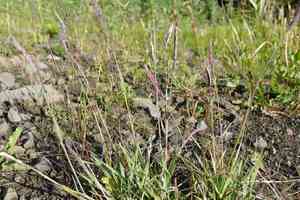
A lofty, cold-season grass well-suited for decorative purposes, high wildrye flourishes with little upkeep. Trimming ought to happen in early spring or during winter prior to the emergence of new shoots, enhancing the plant's vitality and appearance. Reducing aged foliage to several inches above the soil facilitates revitalization. This method not only preserves the plant's form but also stimulates more vigorous, thicker development. Consistent trimming guarantees high wildrye stays strong and attractive throughout its active period.
What Are the Benefits of Pruning High Wildrye?
What Are the Benefits of Pruning High Wildrye?
Trimming high wildrye promotes robust development and maintains its structural integrity. Strategic trimming helps manage its size and form, ensuring strong health and visual appeal, crucial for landscaping and ecological support.
What Is the Best Time for Pruning High Wildrye?
What Is the Best Time for Pruning High Wildrye?
Trimming high wildrye in early spring is beneficial as it prepares the plant for new growth and recovery during its active growth phase. This timing allows the plant to heal quickly and produce vigorous new shoots. Winter trimming is advantageous as the plant is dormant during this period, reducing stress and minimizing sap loss. This also aids in shaping the plant before new growth begins, ensuring energy is directed towards the production of strong, healthy shoots in the spring.
What Tools Do I Need to Prune High Wildrye?
Hand Pruners
Ideal for cutting back dead or overgrown stems of high wildrye. They are perfect for making clean cuts on smaller, thinner stems, thus ensuring healthy regrowth and maintaining the plant's shape.
Grass Shears
Effective for trimming and shaping the grass-like leaves of high wildrye, especially for precise shaping without harming nearby vegetation.
Long-Handled Loppers
These are useful when needing to reach higher or denser parts of high wildrye without straining the gardener. They are excellent for cutting through thicker stems that hand pruners may not manage.
How to Prune High Wildrye
Identify damaged leaves
Examine high wildrye to find any diseased or withered leaves. These typically appear discolored, dry, or visibly harmed compared to healthy foliage.
Prepare tools
Ready sterile pruning shears. Sanitize them with alcohol or a bleach solution to prevent the spread of diseases between plants during trimming.
Remove damaged leaves
Carefully remove the identified diseased and withered leaves, clipping each at the base where they attach to the stalk or a healthy part of the leaf. Ensure cuts are clean to encourage swift healing.
Cleanup
Dispose of removed leaves properly to prevent the spread of any potential pathogens contained in the diseased material. Do not compost these materials if they show signs of disease.
Monitor health
Regularly monitor high wildrye after trimming to ensure no additional signs of disease or distress appear, indicating a healthy recovery and effective trimming.
Common Pruning Mistakes with High Wildrye
Over-pruning
Removing too much foliage from high wildrye at once can significantly stress the plant, potentially leading to reduced vigor and sparse growth. Aim to remove no more than one-third of the total growth in a single trimming session.
Improper tool use
Using dull or dirty trimming tools can damage the stems of high wildrye, making them susceptible to disease. Always use sharp, clean shears to ensure clean cuts.
Random cutting
Indiscriminate cutting without understanding the growth pattern of high wildrye can lead to uneven growth and affect its natural form. Make cuts with purpose and understanding of how the plant grows.
Ignoring dead or diseased stems
Failing to remove dead or unhealthy stems during trimming can hinder the overall health and aesthetic of high wildrye. Regularly check for and remove unhealthy growth.
Common Pruning Tips for High Wildrye
Selective thinning
Focus on thinning out crowded areas to improve air circulation and light penetration throughout high wildrye. This encourages stronger, more vigorous growth.
Timing the cuts
While the seasonal information isn't discussed here, timing your cuts according to high wildrye's growth cycle helps maximize flowering and growth post-trimming.
Cutting technique
Make angled cuts just above a node or bud to promote healthier and more aesthetically pleasing growth. This technique encourages high wildrye to grow more densely and uniformly.
Cleanliness is crucial
Clean all trimming tools before and after use to prevent the spread of disease among plants. This is especially important when working with multiple plants in the same area.



