How to Propagate High wildrye?
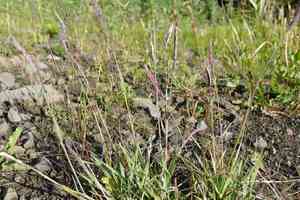
High wildrye flourishes when multiplied via separation, a technique especially effective for preserving the plant's strength and well-being. Gently divide the root ball during its inactive phase, making sure every segment possesses adequate roots. Replant the separated portions into thoroughly prepared earth fortified with compost to stimulate vigorous development. Consistent irrigation and preventing dense planting will additionally boost the establishment and health of high wildrye.
What Is the Best Time To Propagate High Wildrye?
Propagation Type
Separation
Propagation Season
Spring,Autumn
What Tools Are Used in High Wildrye Propagation?
Garden Fork
A robust garden fork is essential for carefully lifting high wildrye during division. Its tines help penetrate the soil without excessive root disturbance, enabling effective clump separation. The fork's design is particularly useful for aerating the soil around roots, simplifying management and minimizing harm to the parent plant.
Sharp Knife or Secateurs
These are employed for making clean cuts through the root mass when dividing high wildrye. A sharp knife ensures precise cuts, reducing root damage and promoting faster plant recovery. Secateurs can be used for thicker root sections, providing a clean cut that lessens the risk of disease entry through jagged wounds.
Watering Can with a Fine Rose
Following division, high wildrye benefits from gentle watering to help settle the soil around the roots and eliminate air pockets. A watering can with a fine rose attachment ensures even and gentle water distribution, preventing disruption of the newly planted divisions.
Rooting Hormone Powder
While not always necessary, applying rooting hormone powder can boost propagation success by encouraging quicker root development in high wildrye. This is especially helpful when divisions have smaller root systems or appear less vigorous.
Mulch
Applying a layer of mulch around newly planted high wildrye divisions helps retain soil moisture and regulate temperature, creating an ideal growing environment. Mulch also suppresses weed growth, reducing competition for nutrients and water.
How to Propagate High Wildrye?
Propagation Type
Simple
How to Care for Your Newly Propagated High Wildrye?
How to Care for Your Newly Propagated High Wildrye?
Once established, high wildrye requires minimal upkeep. Continue to provide consistent watering, especially during dry periods. High wildrye can benefit from occasional feeding but generally thrives without much assistance. Monitor for pests and diseases, though high wildrye typically exhibits good resistance to most threats.
Common Mistakes to Avoid When Propagating High Wildrye
Overwatering
Excessive water can lead to root rot and fungal growth, diminishing the overall health of high wildrye.
Deep Planting
Sowing seeds or seedlings too deeply can hinder germination and restrict root development, impeding the growth of high wildrye.
Ignoring Soil Type
Using an unsuitable soil type, such as one that is too dense or clay-heavy, can impede root penetration and water drainage, resulting in poor growing conditions for high wildrye.
Tips For Propagating High Wildrye
Soil Preparation
Ensure the soil is well-drained and rich in organic matter to support the robust growth of high wildrye.
Appropriate Depth
Sow seeds at a shallow depth. Lightly covering them with soil will promote successful germination and root establishment.
Moderate Watering
Water the soil moderately to maintain moisture without over-saturation. Consistent yet controlled watering encourages healthy root development.
Spacing
Provide ample space between seeds or plants to allow for good air circulation, reducing the risk of fungal diseases and ensuring sufficient sunlight exposure for high wildrye.



