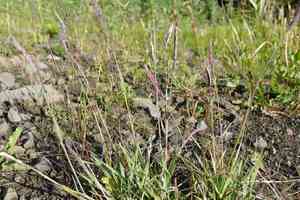
High wildrye (Elymus violaceus)
Also known as: Purple Wheatgrass
High wildrye (Elymus triticoides) is a resilient grass known for its adaptability to open grassland ecosystems. It features slender, upright stems and rough, flat leaves that can withstand harsh environmental conditions. One of its standout characteristics is its deep and extensive root system, which allows it to access water and nutrients from deeper soil layers, enhancing its drought tolerance. The grass also produces distinctive seed heads with a purplish tint, which may aid in efficient seed dispersal. These traits collectively ensure that high wildrye can thrive in a variety of temperate grassland settings, making it a robust and versatile species.
In This Article
Attributes of High wildrye
Lifespan
Perennial
Plant Type
Grass
Plant Height
30 cm to 1.5 m
Spread
Typically not applicable for grasses.
Leaf Color
Green
Flower Size
Typically less than 1 cm in width
Flower Color
Yellow
Images of High wildrye
Quickly Identify High wildrye
1
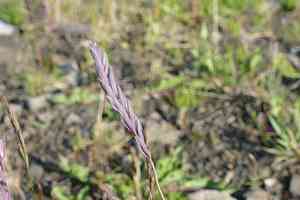
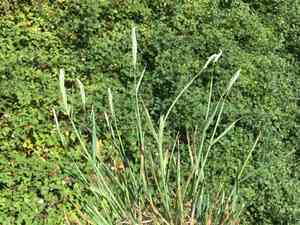
Elymus violaceus can be identified by its purplish spikelets and the long awns on the lemmas. The leaves are typically green and linear, and the stems are upright and can grow quite tall.
Scientific Classification of High wildrye
Phylum
Vascular plants
Class
Monocotyledons
Order
Poales
Family
Grass
Genus
Couch grasses
Species
High wildrye
Planting and Growing of High wildrye
Care Difficulty
Easy
Watering Schedule
Every 3 days
Sunlight Requirements
Full sun
Sunshine Duration
6-12 hours
Ideal Temperature
65-75℉
Soil Type
Potting Mix, Peat Mix
Soil pH
6.5-7.5
Fertilizer Type
Balanced
Pruning Season
Spring, Summer
Pruning Area
Branches, Leaves
Pruning Frequency
2 times a year
Repotting Season
Spring
Pot Type
Plastic, Ceramic
 How to Water High wildrye?
Elymus violaceus benefits from moderate watering. Each time you water, aim to provide approximately 250 milliliters. This amount ensures that the soil is adequately moist without being overly saturated, allowing for optimal root health and growth.
What are the symptoms of an underwatered High wildrye?
›
What should I do if my High wildrye is not getting enough water?
›
What are the symptoms of an overwatered High wildrye?
›
How to save an overwatered High wildrye?
›
 What Are the Sunlight Requirements for High wildrye?
Elymus violaceus thrives when exposed to full to partial sun conditions. Optimal light exposure benefits the plant by promoting lush foliage, healthy growth, and increased resistance to environmental stresses.
What is the ideal lighting condition for Elymus violaceus?
›
How to achieve this ideal lighting?
›
What are the benefits of adequate lighting?
›
 What Is the Ideal Temperature Range for High wildrye?
The ideal temperature range for cultivating Elymus violaceus is between 65°F and 75°F. This range provides optimal conditions for growth and development, ensuring the plant maintains its health and displays robust characteristics. Within this range, the plant is less likely to encounter stress from temperature fluctuations, which can lead to improved resilience against pests and diseases.
 What Soil is Best for High wildrye?
Elymus violaceus thrives in nutrient-rich soil that supports its growth and development. The presence of essential nutrients ensures vibrant foliage and enhances the overall health of the plant, promoting stronger and more resilient growth. This plant prefers well-draining soil to prevent water stagnation that might lead to root rot. Adequate drainage facilitates optimal moisture levels, allowing the roots to breathe and access nutrients effectively, which is crucial for its growth. Maintaining moderately moist conditions is ideal for Elymus violaceus, as it supports sustained growth and vitality. Consistent moisture availability ensures that the plant's physiological processes run smoothly, fostering robust development.
 How to Fertilize High wildrye?
For Elymus violaceus, starting with a balanced fertilizer designed for grass species is highly recommended. Liquid feeds should be used once a month and should be diluted to half strength to prevent burning the roots. Use 1/2 to 1 teaspoon per gallon of water for liquid fertilizers.
 How to Prune High wildrye?
Begin by using sharp, clean pruning shears to cut back any dead or damaged foliage. Trim any stems that are overgrowing and disrupting the plant’s natural shape. Focus on cutting back to a node to encourage branching, which can increase density. After identifying the main structure, trim lateral shoots to maintain a pleasant shape. This process involves cutting back softer stems to just above a secondary shoot. This action directs the plant’s energy towards the desired areas and encourages more robust growth.
More About Pruning Techniques→
 How to Propagate High wildrye plant?
1
Gather mature seeds from the Elymus violaceus plant when the seed heads have fully dried. Ensure seeds are completely dry to prevent mold during storage.
2
Select healthy stems and cut into sections of 4-6 inches. Remove the lower leaves and dip the cut ends in rooting hormone powder to encourage root development.
3
Divide the plant's root clumps during early spring. Ensure each division has roots and shoots to facilitate successful establishment in new locations.
 How to Repot High wildrye plant?
1
For Elymus violaceus, the best indication that it is time to repot is when you notice the roots are circling around the pot's edge or growing out of the drainage holes. Also, if the soil is compacted and doesn't drain well anymore, it's a cue for repotting. Ideally, repot during Spring or Summer for the best growth results.
2
Select a pot that is 2-3 inches larger in diameter than the current one. A pot with ample drainage holes is crucial to allow excess water to escape, preventing root rot. Using a terracotta pot is beneficial because it is porous and allows moisture and air exchange, helping to keep the root system healthy.
3
Opt for well-draining, loamy soil for repotting Elymus violaceus. This type of soil promotes good aeration and drainage, minimizing the risk of waterlogging. It also provides essential nutrients, ensuring your plant develops strong roots and vibrant foliage.



