How to Prune Big squirreltail?
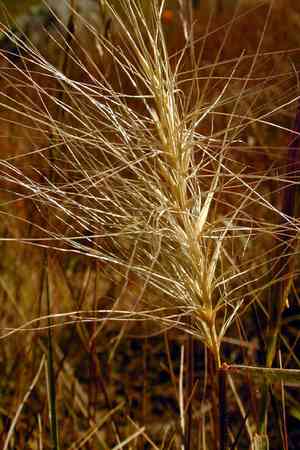
Elymus elymoides is a robust grass recognized for its unique inflorescences. Trimming is best performed in early spring or winter to eliminate withered or compromised foliage and encourage fresh development. Reduce the plant's stature by approximately one-third, ensuring a neat aesthetic. Consistent trimming aids in disease prevention, improves air movement, and sustains a robust, thriving specimen. Refrain from pruning during the active growth period to guarantee peak vitality and bloom production.
What Are the Benefits of Pruning Big Squirreltail?
What Are the Benefits of Pruning Big Squirreltail?
Trimming big squirreltail encourages robust development and helps maintain its form. It enhances air movement, lowering the chance of illnesses and insect infestations. Regular trimming also keeps a neat look and fosters healthier, denser foliage.
What Is the Best Time for Pruning Big Squirreltail?
What Is the Best Time for Pruning Big Squirreltail?
Pruning big squirreltail in early spring and winter is optimal as it aligns with the plant's dormant phase. During dormancy, big squirreltail exhibits reduced metabolic activity, lessening pruning stress and minimizing disease or pest risk. Early spring pruning also enables gardeners to remove winter damage, promoting healthy new growth before the active season. Furthermore, since big squirreltail lacks significant flowering or fruiting periods that could be disrupted by pruning then, winter and early spring offer a window where trimming won't impede its development or aesthetic value.
What Tools Do I Need to Prune Big Squirreltail?
Hand Pruners
Perfect for precise cuts on small stems and leaves of big squirreltail. Ensures clean cuts that encourage healthy regrowth.
Grass Shears
Suitable for trimming and shaping the grass clumps of big squirreltail. Provides better control for detailed work.
Loppers
Useful for cutting thicker, older stems of big squirreltail that hand pruners might struggle with.
Gloves
Crucial for protecting hands from potential irritation when handling big squirreltail. Guarantees safe and comfortable pruning.
Rake
Important for collecting and disposing of trimmed grass and debris around big squirreltail. Helps maintain a tidy garden area.
How to Prune Big Squirreltail
Inspection
Carefully examine big squirreltail for any indications of diseased or withered leaves. Pay close attention to the foliage to spot any irregularities.
Tools
Gather sanitized pruning tools like shears or scissors. Ensure tools are clean and sharp for precise cuts and to prevent further plant damage.
Removal
Begin with diseased leaves, making a clean cut at the base where the leaf meets the stem. Remove all visibly affected leaves to stop disease spread.
Disposal
Properly discard removed diseased leaves away from the garden to avoid contamination. Do not compost these leaves as they may carry pathogens.
Final Check
Perform a final inspection of big squirreltail to confirm all diseased and withered leaves have been removed. This step aids healthy regrowth and maintains the plant's overall well-being.
Common Pruning Mistakes with Big Squirreltail
Over-Pruning
Removing too much foliage can slow growth and cause unnecessary stress to big squirreltail. It's crucial to trim sparingly, focusing on dead or damaged parts.
Improper Technique
Using dull or dirty tools can harm the plant and introduce diseases. Always ensure tools are sharp and sanitized before pruning.
Pruning at Wrong Parts
Cutting too close to the base can damage the plant, while cutting too far from the target area can leave stubs that may die back. Both can negatively impact the plant's health.
Neglecting Disease Signs
Failing to identify and remove diseased sections can lead to the spread of disease within big squirreltail. Be vigilant and promptly remove any sign of pest or disease.
Common Pruning Tips for Big Squirreltail
Tools
Use sharp, clean scissors or pruning shears for precise cuts. This minimizes tearing plant tissue, which can lead to disease.
Selectively Prune
Focus on removing dead, damaged, or diseased stems and leaves. This helps direct the plant's energy towards healthy growth.
Shape Consideration
While pruning, aim to maintain the natural shape of big squirreltail. This helps preserve its aesthetic and structural integrity.
Consistent Light Pruning
Instead of heavy pruning, opt for light, regular trimming. This promotes better air circulation and light penetration, aiding overall plant health.
Monitor Growth
Regularly monitor big squirreltail after pruning to ensure it's responding well. Any signs of distress should be addressed promptly, possibly by adjusting pruning practices if necessary.



