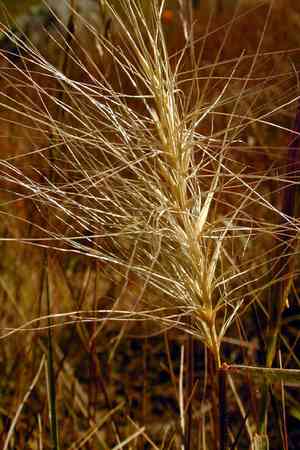
Big squirreltail (Elymus multisetus)
Also known as: big squirreltail, large squirrel tail
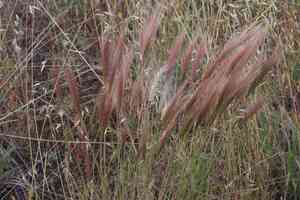
Elymus multisetus, commonly known as big squirreltail, is a perennial grass indigenous to the western United States. It typically grows up to 60 centimeters tall. The plant features an inflorescence composed of spikelets that bear several lengthy, hair-like awns, which can extend up to 20 centimeters.
In This Article
Attributes of Big squirreltail
Lifespan
Perennial
Plant Type
Grass
Plant Height
60-150 cm
Spread
N/A
Leaf Color
Bluish-green
Flower Size
N/A
Flower Color
N/A
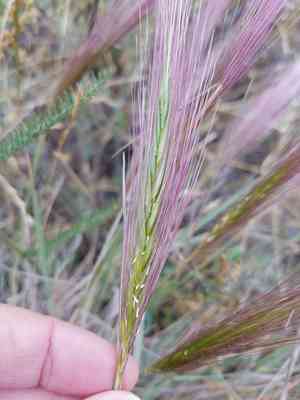
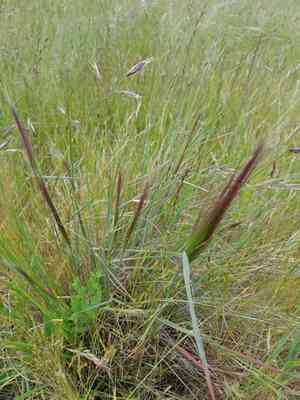
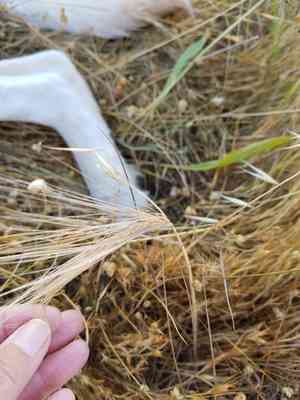
Images of Big squirreltail
Quickly Identify Big squirreltail
1
Elymus multisetus can be identified by its tall, erect stems and spiky seed heads that resemble a squirrel\'s tail. The inflorescence is usually larger and more robust than other Elymus species. Leaf blades are flat to slightly rolled, and the plant has a bluish-green hue.
Scientific Classification of Big squirreltail
Phylum
Vascular plants
Class
Monocotyledons
Order
Poales
Family
Grass
Genus
Couch grasses
Species
Big squirreltail
Planting and Growing of Big squirreltail
Care Difficulty
Moderate
Watering Schedule
Every 2 days
Sunlight Requirements
Full sun
Sunshine Duration
6-12 hours
Ideal Temperature
59-77℉
Soil Type
Potting Mix, Peat Mix
Soil pH
6-7.5
Fertilizer Type
Balanced
Pruning Season
Spring, Summer
Pruning Area
Branches, Leaves
Pruning Frequency
2 times a year
Repotting Season
Spring
Pot Type
Plastic, Ceramic
 How to Water Big squirreltail?
For Elymus multisetus, ensure each watering session delivers about 150 milliliters. This amount should moisten the deeper layers of soil without causing waterlogging. It's crucial to make sure the topsoil starts drying out before the next watering.
What are the symptoms of an underwatered Big squirreltail?
›
What should I do if my Big squirreltail is not getting enough water?
›
What are the symptoms of an overwatered Big squirreltail?
›
How to save an overwatered Big squirreltail?
›
 What Are the Sunlight Requirements for Big squirreltail?
Elymus multisetus prefers a range of full sun to partial sun, typically around 4 to 8 hours of light daily. Adequate lighting strengthens its stems, enhances leaf color, and encourages a robust root system, ensuring resilience against environmental stresses.
Question 1: What is the ideal light intensity?
›
Question 2: How can I ensure optimal lighting?
›
Question 3: What are the benefits of ideal lighting?
›
 What Is the Ideal Temperature Range for Big squirreltail?
The ideal temperature range for Elymus multisetus, commonly known as large-awned ryegrass, is between 59°F and 77°F. Within this range, the grass can grow optimally, as the temperature supports proper metabolic activities including photosynthesis and respiration. Consistent temperatures within this range also help maintain soil conditions and moisture levels ideal for growth, promoting vigorous root development and healthy foliage.
 What Soil is Best for Big squirreltail?
Elymus multisetus thrives in well-drained soils, which prevent water from pooling around the roots, thus reducing the risk of root rot and other water-related diseases. This dry-loving grass appreciates the efficient drainage of sandy and loamy soils, allowing it to access necessary moisture without drowning its roots. While Elymus multisetus doesn’t demand rich, nutrient-loaded soils, it does benefit from a moderate level of organic matter that sandy loam naturally provides. This balanced soil nutrition helps promote robust growth and healthy foliage, without the need for excessive fertilization. A pH range from 6.0 to 7.5 suits Elymus multisetus well, as it allows optimal nutrient absorption. Staying within this range helps ensure that the plant has access to essential nutrients, promoting vigorous growth without nutrient lock-out.
 How to Fertilize Big squirreltail?
Elymus multisetus benefits from a balanced fertilizer where a rate of approximately 1 tablespoon (15 grams) of a balanced NPK fertilizer per gallon (3.8 liters) of water is mixed. Avoid over-fertilizing as it can lead to excessive leaf growth at the expense of root development.
 How to Prune Big squirreltail?
Removing too much of the plant can stress it and inhibit its growth. Always leave enough foliage for photosynthesis. Avoid pruning more than one-third of the plant at any one time to ensure recovery and continuous growth. While regular maintenance pruning is beneficial, consider seasonal adjustments to your pruning practices. Focus on removing flower stalks after bloom in summer and preparing the plant for dormancy by reducing cuts in fall.
More About Pruning Techniques→
 How to Propagate Big squirreltail plant?
1
Fill seed trays with a high-quality seed mix, ensuring it is well-drained. Lightly water the soil to make it moist but not waterlogged before sowing the seeds.
2
Scatter the seeds evenly across the surface of the soil in the seed trays, and then cover lightly with additional soil mix. Gently water to settle the soil over the seeds.
3
Carefully dig up established plants, using a sharp knife to divide the root clumps. Ensure each new section has several healthy roots before planting in a new location.
 How to Repot Big squirreltail plant?
1
Elymus multisetus should be repotted when you notice its roots circling the bottom of the current pot or emerging from the drainage holes. This indicates that the plant is root-bound and requires more space to continue growing healthily.
2
Select a pot that is 1-2 inches larger in diameter than the current one. This ensures adequate space for root expansion, promoting better growth and reducing the frequency of repotting. Ensure the pot has good drainage to prevent waterlogging.
3
Opt for a well-draining potting mix suitable for grasses. This type of soil prevents water from standing around the roots, minimizes root rot risk, and provides the aeration Elymus multisetus thrives in, ensuring its vigorous growth.



