How to Propagate Big squirreltail?
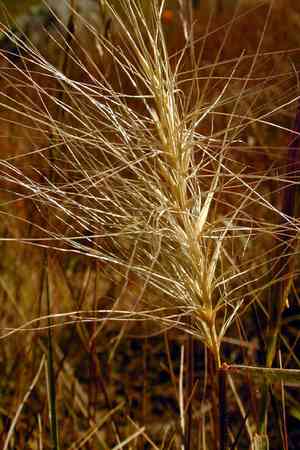
Elymus elymoides, a perennial bunchgrass indigenous to North America, is recognized for its resilience to arid conditions and its capacity for soil stabilization. For propagating Elymus elymoides, the division technique proves efficient. Excavate around the specimen with care, delicately detaching the root masses prior to transplanting them into adequately draining earth. Verify that the separated portions possess roots and a few green sprouts to ensure successful integration. Provide moderate irrigation to the newly planted specimens until they are firmly established.
Optimal Period for Big Squirreltail Propagation
Propagation Method
Division
Propagation Season
Spring,Autumn
Tools Utilized in Big Squirreltail Propagation
Sharp Spade
Essential for dividing big squirreltail, a sharp spade enables precise cuts to separate plant clumps without causing undue harm to the root system. A keen edge is vital for clean cuts, fostering quicker healing and reducing infection risk.
Garden Fork
Beneficial for gently lifting big squirreltail clumps from the ground. It minimizes root damage by loosening the surrounding soil before division. A garden fork helps preserve root integrity, which is crucial for successful propagation.
Pruning Shears
For trimming damaged or dead roots and foliage of big squirreltail post-division. Maintaining healthy roots and removing deceased tissue aids in reducing disease risk and encourages robust new growth.
Root Knife
Crucial for separating tough and intertwined big squirreltail roots without excessive tearing. It ensures accurate, clean cuts, especially in dense root systems, leading to improved plant recovery and growth after division.
Watering Can
Delivers immediate hydration to newly divided big squirreltail sections. Consistent moisture is vital for helping plants establish their root systems in their new locations. A watering can with a gentle shower head helps prevent disturbing new divisions.
Labeling Stakes
Important for tracking divided big squirreltail sections. By labeling new plantings, gardeners can monitor their progress and ensure proper care and spacing. This is particularly useful during propagation for organization and record-keeping.
How to Propagate Big Squirreltail?
Propagation Type
Easy
How to Care for Your Newly Propagated Big Squirreltail?
How to Care for Your Newly Propagated Big Squirreltail?
Following propagation, big squirreltail needs consistent watering until plants are well-established, especially during dry spells. Apply mulch around the plant base to retain moisture and regulate soil temperature. Watch for signs of stress or disease, and remove competing weeds. Once established, big squirreltail is relatively low-maintenance and tolerates various conditions, often thriving in poor soil and drought-prone areas.
Common Mistakes to Avoid When Propagating Big Squirreltail
Overwatering
Excessive moisture can lead to root rot and fungal infections, severely impacting the plant's health.
Poor soil selection
Using soil with inadequate drainage can retain too much moisture, causing issues similar to overwatering.
Seedling crowding
Planting seeds too close together can result in competition for nutrients and light, hindering proper development.
Inadequate sunlight
Failure to provide sufficient sunlight can stunt growth and reduce the plant's ability to perform photosynthesis effectively.
Neglecting pest control
Ignoring pest management can allow infestations that damage the plant and impede its development.
Tips For Propagating Big Squirreltail
Well-draining soil
Utilize soil that drains effectively to prevent waterlogging and support healthy root development.
Proper spacing
Plant seeds with adequate room between them to prevent overcrowding and ensure each plant receives sufficient resources.
Consistent moisture
Maintain a balanced watering schedule, keeping the soil moist but not saturated to support healthy growth.
Ample sunlight
Ensure the plant receives full sun to encourage vigorous growth and effective photosynthesis.
Monitor pests
Regularly inspect for pests and implement appropriate control measures to safeguard the plant from harm.



