How to Prune Awned wheat grass?
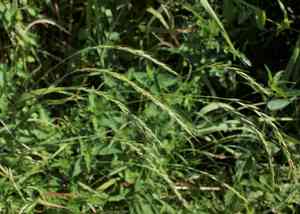
Awned wheat grass, a perennial grass recognized by its prominent awns, thrives with trimming to sustain vitality and stimulate fresh development. The ideal period for pruning is in early spring or during winter while the plant is inactive. Eliminate any deceased or compromised stalks and thin out dense sections to enhance air movement. Trimming awned wheat grass improves its general well-being and can manage its expansion. Verify that implements are sanitized to prevent the spread of pathogens.
What Are the Benefits of Pruning Awned Wheat Grass?
What Are the Benefits of Pruning Awned Wheat Grass?
Trimming awned wheat grass encourages robust development and maintains its desired shape. Consistent cutting helps prevent excessive growth and promotes a denser, more appealing look.
What Is the Best Time for Pruning Awned Wheat Grass?
What Is the Best Time for Pruning Awned Wheat Grass?
Pruning awned wheat grass in early spring is beneficial as it prepares the plant for new growth by removing dead or damaged foliage before the start of the growing season. This timing ensures that awned wheat grass can direct its energy into producing fresh, healthy shoots and leaves, leading to a vigorous plant. Conversely, winter pruning, when the plant is dormant, reduces stress on awned wheat grass since it is not actively growing. This period is ideal for significant pruning as it minimizes the risk of sap loss and infection. Pruning during dormancy also helps maintain plant structure and vitality, ensuring strong growth in the subsequent season.
What Tools Do I Need to Prune Awned Wheat Grass?
Grass Shears
Grass shears are lightweight and ideal for precise trimming along edges, making them especially suitable for preserving the form and health of awned wheat grass.
Long-Handled Pruners
These pruners allow reaching taller stalks of awned wheat grass without bending, improving comfort and efficiency during maintenance tasks.
Garden Scissors
For more delicate, detailed pruning or thinning the foliage of awned wheat grass, garden scissors provide accurate control and minimal harm to plant cells.
How to Prune Awned Wheat Grass
Identify
Locate and evaluate any diseased or withered leaves on awned wheat grass. Look for signs of discoloration, dry, or lifeless tissue, which can indicate if the leaf is unhealthy or simply old and inactive.
Sterilize
Before beginning the pruning process, ensure all cutting tools, such as scissors or shears, are disinfected. This prevents the spread of diseases between different plants or even various parts of awned wheat grass.
Cut
Carefully remove the identified diseased and withered leaves. Make the cut close to the leaf's base, but be careful not to harm the stems or adjacent healthy leaves. Use a clean, sharp cut to promote faster healing.
Dispose
Properly discard the removed leaves by placing them in a bin or compost specifically designated for diseased plant material. Do not compost diseased leaves as they might spread pathogens within the compost pile.
Monitor
Regularly observe awned wheat grass after pruning to ensure no further signs of disease appear. Pay close attention to the areas where diseased leaves were removed for any indications of decay or infection.
Common Pruning Mistakes with Awned Wheat Grass
Over pruning
A common error when pruning awned wheat grass is removing too much foliage at once, which can weaken the plant and diminish its vitality.
Improper cutting technique
Using dull or unsuitable tools can result in jagged or torn cuts, potentially attracting pests and diseases.
Neglecting plant structure
Failing to consider the natural growth habit of awned wheat grass might lead to a loss of plant integrity and aesthetic appeal.
Common Pruning Tips for Awned Wheat Grass
Use sharp tools
Always use sharp, clean pruning shears to ensure precise cuts that heal quickly, minimizing stress on awned wheat grass.
Focus on dead material
Primarily remove dead or damaged foliage to improve air circulation and light penetration within awned wheat grass, which is vital for its health.
Maintain natural form
Aim to preserve the natural shape of awned wheat grass when pruning, enhancing not only its appearance but also its growth.



