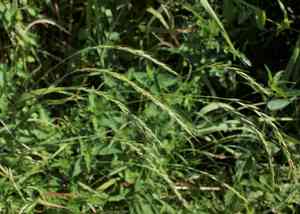
Awned wheat grass (Elymus caninus)
Also known as: Bearded wheatgrass, Fibrous wheat grass, Tufted couch, Tufted couchgrass
Populations in China, Italy, Pakistan, and Russia exhibited the lowest intra-population variation in E. caninus morphologies. This reduced variation might result from various factors such as natural selection, historical population bottlenecks, genetic drift, or a combination of these influences.
In This Article
Attributes of Awned wheat grass
Lifespan
Perennial
Plant Type
Grass
Plant Height
Up to 1.2 meters
Spread
Approximately 0.3 meters
Leaf Color
Green
Flower Size
Spikes up to 15 cm long
Flower Color
Greenish
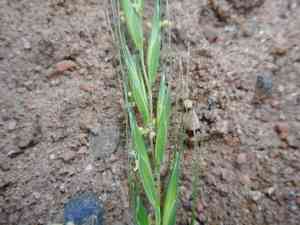
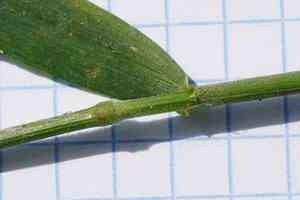
Images of Awned wheat grass
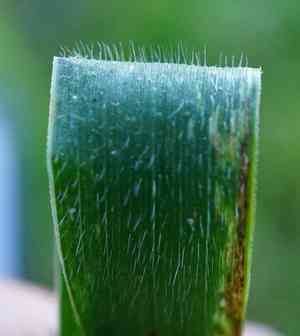
Quickly Identify Awned wheat grass
1
Elymus caninus can be identified by its robust and upright stems, which can reach heights of up to 1.2 meters. The plant has narrow, linear leaves, and its inflorescence consists of dense, long spikes that are bearded, especially towards the top.
Scientific Classification of Awned wheat grass
Phylum
Vascular plants
Class
Monocotyledons
Order
Poales
Family
Grass
Genus
Couch grasses
Species
Awned wheat grass
Planting and Growing of Awned wheat grass
Care Difficulty
Easy
Watering Schedule
Every 3 days
Sunlight Requirements
Partial sun
Sunshine Duration
6-10 hours
Ideal Temperature
60-75℉
Soil Type
Potting Mix, Peat Mix
Soil pH
6.5-7.5
Fertilizer Type
Balanced
Pruning Season
Spring, Summer
Pruning Area
Branches, Leaves
Pruning Frequency
2 times a year
Repotting Season
Spring
Pot Type
Plastic, Terracotta
 How to Water Awned wheat grass?
Elymus caninus prefers its soil to be moderately moist. Watering should be sufficient to moisten the top 3-4 inches of the soil, typically around 250 ml per watering. Ensure the soil is not overly saturated but just evenly damp after watering.
What are the symptoms of an underwatered Awned wheat grass?
›
What should I do if my Awned wheat grass is not getting enough water?
›
What are the symptoms of an overwatered Awned wheat grass?
›
How to save an overwatered Awned wheat grass?
›
 What Are the Sunlight Requirements for Awned wheat grass?
Partial sun conditions benefit Elymus caninus by balancing energy collection with protection from harsh conditions, supporting healthy growth without risking leaf and root damage.
What is the best light for Elymus caninus?
›
How to achieve ideal lighting for Elymus caninus?
›
Benefits of ideal lighting for Elymus caninus?
›
 What Is the Ideal Temperature Range for Awned wheat grass?
The optimal temperature range for the growth of Elymus caninus is between 60°F and 75°F. Within this range, the physiological functions of the plant such as photosynthesis and respiration occur efficiently, promoting healthy growth. It also minimizes the stress factors that could lead to diseases or pest infestations.
 What Soil is Best for Awned wheat grass?
Elymus caninus thrives best in well-drained soil, preventing waterlogging which can cause root rot. This condition allows adequate oxygen to reach the roots, supporting healthy growth. Moderate soil fertility is ideal for Elymus caninus. It doesn't require nutrient-rich soil, making it easier to adapt to a variety of native soil conditions while still promoting robust growth. While Elymus caninus prefers well-drained soils, maintaining some moisture is beneficial. Consistent moisture supports steady growth, particularly in drier climates, where irrigation can supplement natural rainfall.
 How to Fertilize Awned wheat grass?
For Elymus caninus, it is important to apply the fertilizer sparingly as over-application can lead to nutrient runoff. When using liquid fertilizers, apply about 1/4 to 1/2 gallon per plant to ensure the roots receive adequate nourishment without being overwhelmed.
 How to Prune Awned wheat grass?
Elymus caninus, known as Bearded Couch or Bearded Wheatgrass, is a perennial grass that thrives best when pruned to promote healthy growth. Observing its growth stages helps in timing the pruning correctly, maximizing sunlight penetration and encouraging new shoots. Begin by inspecting the plant thoroughly. Remove any dead, damaged, or diseased stems with clean, sharp pruners. Trim back any excessively long shoots to encourage a dense growth habit. Aim to maintain a balanced and aesthetically pleasing shape throughout the growing season.
More About Pruning Techniques→
 How to Propagate Awned wheat grass plant?
1
Collect seeds from mature Elymus caninus plants when the seed heads turn brown. Allow the seed heads to dry completely before storing them in a cool, dry place until ready for sowing.
2
Fill a seed tray with a well-draining potting mix. Sow the Elymus caninus seeds thinly and cover them with a light layer of soil. Water gently and keep the tray in a sunny location.
3
In early spring, dig up mature clumps of Elymus caninus using a garden fork. Gently separate the plant into smaller sections, ensuring each has a healthy root system. Replant immediately in prepared soil.
 How to Repot Awned wheat grass plant?
1
Repotting your Elymus caninus is needed when you observe roots growing through drainage holes or the plant appearing top-heavy. Spring and summer, with active growth, are ideal seasons for minimal shock.
2
Select a pot 2 inches larger than the current one to provide ample space for root development. Ensure it has drainage holes to prevent waterlogging, which could lead to root rot.
3
A well-draining potting mix containing sand, peat, and perlite is perfect. It retains moisture needed by Elymus caninus while ensuring adequate aeration for root health.



