How to Propagate Awned wheat grass?
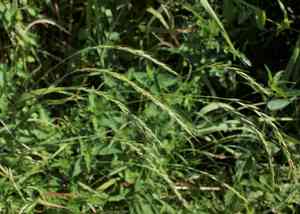
Awned wheat grass is efficiently multiplied via separation, a technique well-suited for controlling its vigorous expansion and preserving flourishing patches. Splitting the plant every few years during early spring aids in revitalizing congested clusters and boosts vitality. This guarantees that the thick bunches typical of awned wheat grass stay strong and prosperous, perfect for individuals aiming to grow this variety in a garden or a naturalized environment.
When Is the Optimal Time to Propagate Awned Wheat Grass?
Propagation Type
Division
Propagation Season
Spring,Autumn
What Implements Are Utilized in Awned Wheat Grass Propagation?
Gardening Gloves
These offer hand protection during the division process of awned wheat grass, ensuring safety from sharp edges and rough textures. Gloves help prevent any potential skin irritation from direct contact with the plant or soil, as well as protect against blisters during the manual work.
Sharp Spade or Garden Fork
Used for digging around awned wheat grass to safely uplift the root system without causing significant damage. A sharp spade or garden fork helps in lifting the plant gently and effectively, which is crucial in the division process to maintain root integrity.
Pruning Shears
Essential for snipping off any dead or excessive growth before dividing awned wheat grass. Clean cuts made by pruning shears help prevent disease and enable healthier regrowth post-division. They are also used to trim roots if necessary, promoting better establishment in new environments.
Potting Mix or Compost
Provides nutrient-rich soil for replanting the divided sections of awned wheat grass. This supports immediate growth and reduces transplant shock, ensuring a better survival rate post-propagation.
Watering Can or Hose
Important for gently watering awned wheat grass after division and replanting, ensuring the soil is adequately moist. Proper hydration is crucial to recovery and re-establishment of the plant in its new setting.
Labels and Markers
Useful for identifying different divisions of awned wheat grass, especially when propagating multiple plants. Labels help track growth progress and any specific care needs for each division, ensuring proper management post-propagation.
How to Propagate Awned Wheat Grass?
Propagation Type
Easy
How to Care for Your Newly Propagated Awned Wheat Grass?
How to Care for Your Newly Propagated Awned Wheat Grass?
After propagation, awned wheat grass needs consistent watering to develop robust root systems. Gradually decrease irrigation frequency as the plant becomes established. Lightly fertilize with a balanced feed during the active growth period. Keep the area weed-free, and monitor for pests and diseases. Trim any dead or damaged foliage to encourage healthy growth. Awned wheat grass thrives in well-drained soils and full to partial sun exposure.
Common Errors to Avoid When Propagating Awned Wheat Grass
Insufficient soil depth
Planting awned wheat grass seeds too shallow can lead to poor root development and reduced anchoring, hampering growth and increasing vulnerability to environmental stressors.
Overcrowding
Sowing awned wheat grass seeds too densely can result in resource competition, leading to weaker plants that are more susceptible to diseases and pests.
Inadequate watering
Both under-watering and over-watering awned wheat grass can have detrimental effects. Insufficient water limits growth and survival, while excessive moisture can encourage root rot and other fungal issues.
Tips For Propagating Awned Wheat Grass
Soil preparation
Ensure the soil has adequate depth and is well-aerated before planting awned wheat grass. This encourages strong root growth and overall plant health.
Seed spacing
Properly space awned wheat grass seeds to avoid overcrowding, allowing each plant enough resources and space to grow optimally.
Moisture management
Maintain a balance in watering awned wheat grass; ensure the soil is moist but well-drained to prevent root diseases and promote healthy growth.



