How to Prune Western waterweed?
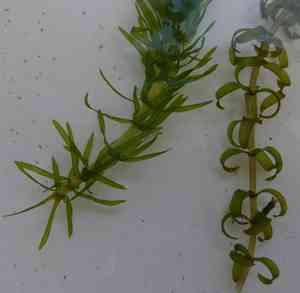
A resilient aquatic perennial, western waterweed flourishes in freshwater habitats. For proper trimming, snip stems directly above a leaf joint with disinfected shears to foster denser development. The best times for pruning are during Spring and Summer when development is active. Consistent trimming stops excessive growth, guaranteeing illumination reaches deeper levels, which is vital for preserving a thriving submerged ecosystem. Dispose of surplus cuttings to uphold water purity and prevent nutrient reduction.
What Are the Benefits of Pruning Western Waterweed?
What Are the Benefits of Pruning Western Waterweed?
Trimming western waterweed promotes strong regrowth, leading to a thick, vibrant appearance. Strategic cuts help maintain its desired form and prevent excessive growth that could obstruct water flow and light penetration in aquatic settings.
What Is the Best Time for Pruning Western Waterweed?
What Is the Best Time for Pruning Western Waterweed?
Spring pruning is optimal for western waterweed as it emerges from dormancy and begins a new growth cycle. Trimming at this time fosters healthy development and prevents the plant from becoming too dense, which can impede light and water circulation, crucial for its well-being. Early Summer pruning helps remove excess growth and maintain its desired shape and size. It also aids in managing the spread of western waterweed, as it can be invasive. Pruning during these periods minimizes plant stress while maximizing its growth potential.
What Tools Do I Need to Prune Western Waterweed?
Aquatic Plant Scissors
Given western waterweed's submerged and delicate nature, long-handled aquatic plant scissors offer precise control, minimizing disruption to both the plant and its watery habitat. These specialized scissors can easily reach into the water to trim western waterweed, reducing the risk of stem tearing.
Aquascaping Spring Scissors
These scissors are designed for detailed trimming in aquatic environments. Their spring mechanism allows for comfortable, repeated use, which is useful when pruning large quantities of western waterweed. These tools provide high accuracy and are ideal for maintaining the desired plant shape without uprooting.
Aquarium Tongs
Tongs are useful for removing trimmed western waterweed foliage from the water. Using tongs helps keep hands dry and prevents accidental crushing of delicate stems, preserving the water clarity that western waterweed needs for optimal growth.
How to Prune Western Waterweed
Remove infected parts
Identify and eliminate diseased leaves of western waterweed by gently pinching them off at the stem with your fingers or fine pruning shears. Ensure a clean cut to minimize damage.
Discard withered foliage
Locate and trim away withered leaves on western waterweed close to the main stem to encourage healthy new growth. Make this cut without harming nearby healthy tissue.
Cut diseased stems
Prune diseased stems of western waterweed by cutting at a healthy node just above the visible infection. Use a sharp, sterilized blade for a smooth cut, preventing further disease spread.
Clean equipment
After pruning western waterweed, sanitize all tools with a disinfectant solution to prevent the transfer of any pathogens to other plants or parts of western waterweed.
Monitor plant health
Regularly check western waterweed after pruning for any signs of new infection or stress and perform necessary follow-up maintenance to ensure its continued vitality.
Common Pruning Mistakes with Western Waterweed
Overpruning
Cutting back too much of western waterweed can result in weakened growth. Inexperienced gardeners often make the error of excessive pruning, which can stress the plant and make it susceptible to disease.
Uneven pruning
Trimming western waterweed inconsistently can lead to unbalanced growth patterns. It's a common mistake to focus on one area, neglecting the plant's overall shape and health.
Pruning healthy growth
Removing healthy stems of western waterweed instead of only dead or overgrown sections is an error, as it diminishes the plant's vigor and potential for blooming.
Ignoring dead material
Failing to remove dead or decaying material can impede western waterweed's growth and attract pests. Gardeners sometimes overlook this crucial aspect of pruning.
Sharpness of tools
Using dull pruning tools can harm western waterweed by creating jagged cuts, which may lead to disease or pest infestations. Ensuring tools are sharp is vital for clean pruning.
Disinfecting tools
Neglecting to disinfect pruning tools between cuts can spread disease from plant to plant. This common oversight can have severe consequences for western waterweed's health.
Common Pruning Tips for Western Waterweed
Selective pruning
When pruning western waterweed, remove only the overgrown or unhealthy stems. This targeted approach will promote more robust and controlled growth.
Maintaining shape
Regularly prune western waterweed to maintain an attractive shape. This involves trimming back overgrown areas while carefully preserving the plant's natural form.
Encouraging growth
Stimulate new growth in western waterweed by pruning just above a node on the stem. This encourages the plant to branch out and become fuller.
Water quality
After pruning western waterweed, ensure to remove the cuttings from the water to maintain good water quality, which is essential for the health of aquatic plants.
Use of right tools
Employ the correct tools, such as sharp scissors or pruning shears, for clean cuts that will help prevent damage and encourage healthy regrowth in western waterweed.
Sterilize tools
Regularly sterilize cutting tools with rubbing alcohol or a bleach solution to prevent the spread of disease when pruning western waterweed.



