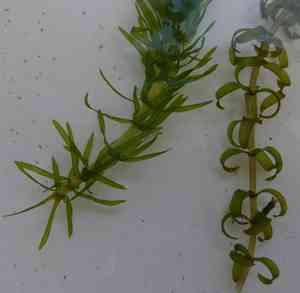
Western waterweed (Elodea nuttallii)
Also known as: Western elodea, Nuttall's pondweed
The Canadian waterweed (Elodea canadensis) is a rapidly growing aquatic perennial. Originating from North America, it has turned invasive in Europe, overshadowing native species and competing for water nutrients. Blooming from spring to fall, it features white flowers and thrives fully submerged. It's also a popular choice for aquariums.
In This Article
Attributes of Western waterweed
Lifespan
Perennial
Plant Type
Herb
Plant Height
2 m
Spread
N/A (submerged plant)
Leaf Color
Bright green
Flower Size
Small, approximately 3 mm
Flower Color
White
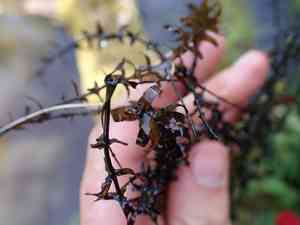
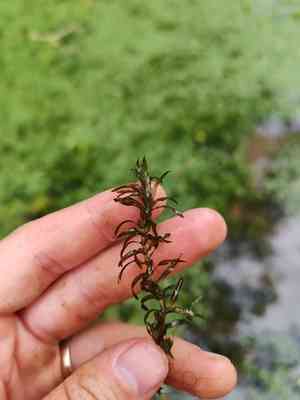
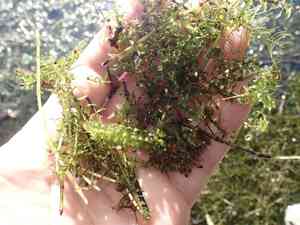
Images of Western waterweed
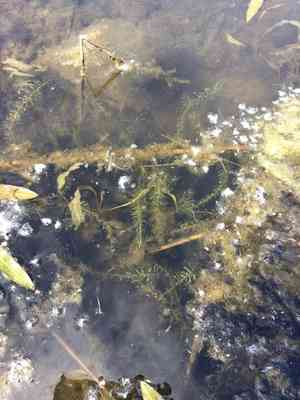
Quickly Identify Western waterweed
1
Elodea nuttallii can be identified by its whorls of 3-6 narrow, bright green leaves that grow up to 15 mm long and about 1-2 mm wide. The leaves are usually pointed at the tips and finely serrate along the edges.
Scientific Classification of Western waterweed
Phylum
Vascular plants
Class
Monocotyledons
Order
Alismatales
Family
Tape-grass
Genus
Waterweeds
Species
Western waterweed
Planting and Growing of Western waterweed
Care Difficulty
Easy
Watering Schedule
Every 4 days
Sunlight Requirements
Full sun
Sunshine Duration
6-10 hours
Ideal Temperature
68-77℉
Soil Type
Potting Mix, Peat Mix
Soil pH
6.5-7.5
Fertilizer Type
Balanced
Pruning Season
Spring, Summer
Pruning Area
Branches, Leaves
Pruning Frequency
2 times a year
Repotting Season
Spring
Pot Type
Plastic, Ceramic
 How to Water Western waterweed?
Elodea nuttallii prefers being submerged in water, as it is an aquatic plant. However, when grown in a controlled environment, ensure the water level merely covers the plant, and maintain about 200 ml to provide adequate moisture.
What are the symptoms of an underwatered Western waterweed?
›
What should I do if my Western waterweed is not getting enough water?
›
What are the symptoms of an overwatered Western waterweed?
›
How to save an overwatered Western waterweed?
›
 What Are the Sunlight Requirements for Western waterweed?
Elodea nuttallii thrives in environments with full sun to partial sun. Adequate light ensures robust growth, vibrant foliage, and efficient photosynthesis, making the plant more resilient.
What is the ideal light condition for Elodea nuttallii?
›
How can you ensure Elodea nuttallii gets optimal light?
›
What benefits does Elodea nuttallii gain from ideal light?
›
 What Is the Ideal Temperature Range for Western waterweed?
Elodea nuttallii thrives best in water temperatures ranging from 68°F to 77°F. This ideal range allows the plant to efficiently conduct photosynthesis, grow at a steady rate, and maintain healthy cellular function. In these temperatures, nutrient uptake is optimal, and the plant is less likely to be stressed by environmental fluctuations.
 What Soil is Best for Western waterweed?
Elodea nuttallii thrives in a nutrient-rich substrate that ensures a steady supply of essential minerals and nutrients, promoting healthy growth and vibrant foliage. This plant requires soil with good moisture retention to maintain a stable aquatic environment, which supports its submerged lifestyle and prevents dehydration. A balanced pH level between 6.5 and 7.5 is crucial for Elodea nuttallii, as it ensures proper nutrient absorption and prevents harmful conditions that could stunt growth.
 How to Fertilize Western waterweed?
For Elodea nuttallii, the amount of fertilizer should be minimal, especially given its preference for nutrient-poor environments. Use only 1-2 ml of liquid aquarium fertilizer per 10 gallons of water. This amount ensures the plant receives enough nutrients without overwhelming its natural balance, maintaining its vibrant green appearance.
 How to Prune Western waterweed?
Examine the Elodea nuttallii and identify the stems that have grown excessively long or are overshadowing other plants. Target these stems for cutting to maintain a balanced aquatic environment and aesthetic appeal. Decide how much length you want to remove. It's generally recommended to cut back no more than one-third of the stem to avoid excessive stress on the plant. Trim each stem to promote even growth and ensure that the remaining plant is still sufficiently dense.
More About Pruning Techniques→
 How to Propagate Western waterweed plant?
1
Begin by selecting healthy stems from the Elodea nuttallii plant, preferably those free from discolored leaves or any signs of disease. Healthy cuttings have a higher chance of successful rooting and growth.
2
Use sharp scissors or pruners to cut 6 to 12-inch sections of the plant. It's vital to cut just below a leaf node, as this area is rich in hormones that promote root growth, and will help ensure successful propagation.
3
Place the cut sections in an aquarium or container filled with fresh water. Ensure the cuttings are fully submerged, as they require water to survive and start rooting. Change the water regularly to prevent stagnation.
 How to Repot Western waterweed plant?
1
Elodea nuttallii should be repotted when its root systems outgrow their current container or when it shows signs of poor growth due to depleted nutrients. You should also consider repotting if the plant appears crowded, with roots protruding through drainage holes or visibly tangled.
2
Select a container that is slightly larger than the current one, with adequate depth for root growth. The container should have good drainage to avoid waterlogging, which can lead to root rot. A wider pot can help spread the root system more evenly, promoting healthier growth.
3
For Elodea nuttallii, choose a nutrient-rich aquatic substrate that supports submerged plant growth. This type of soil allows for optimal nutrient absorption crucial for underwater photosynthesis, providing a balanced environment for sustained vitality and growth.



