The Western waterweed Plant Advantage: Maximizing Home and Office Appeal and Wellness
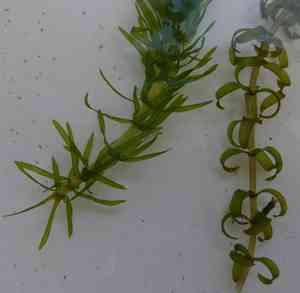
1
Western waterweed contributes to better water quality through oxygenation.
2
This flora is vital for sustaining the ecological equilibrium within aquatic habitats.
3
Western waterweed offers crucial living space and sustenance for aquatic organisms, such as fish and invertebrates.
Why is Western waterweed Crucial for Water Quality?
Oxygenation and Filtration
Western waterweed excels at infusing water with oxygen, a vital process for sustaining healthy aquatic environments. Through photosynthesis, the plant releases oxygen into the water, supporting fish and other aquatic life. Furthermore, it functions as a natural filter, capturing sediments and aiding in water clarification.
Nutrient Absorption and Algae Control
Western waterweed takes up surplus nutrients from the water, such as nitrogen and phosphorus, which frequently cause algal blooms. By eliminating these nutrients, Western waterweed helps curb algae growth, preventing the water from becoming murky and unappealing. This also lessens the risk of hypoxia, a condition where low oxygen levels can harm aquatic organisms.
How Does Western waterweed Support Aquatic Biodiversity?
Habitat and Shelter
Western waterweed offers crucial habitat for various aquatic organisms. Fish, invertebrates, and other species utilize the dense mats of Western waterweed for protection from predators and strong currents. This habitat is especially important for young fish, providing a secure place for their growth and development.
Food Source
Beyond providing refuge, Western waterweed also serves as a vital food source for numerous aquatic species. Herbivorous fish and invertebrates consume the plant, while other organisms depend on the detritus that gathers around it. By forming the foundation of the aquatic food web, Western waterweed supports a wide array of life forms.
What Role Does Western waterweed Play in Ecosystem Equilibrium?
Sediment Stabilization
Western waterweed helps stabilize underwater sediments with its extensive root system. This stabilization is essential for preventing the erosion of riverbeds and lake bottoms, which can lead to increased turbidity and the loss of aquatic habitats. By anchoring sediments, Western waterweed maintains clearer water and healthier ecosystems.
Pollution Buffering
In environments exposed to agricultural runoff or other pollution, Western waterweed acts as a buffer. The plant can absorb contaminants and heavy metals, which helps to lower their harmful concentrations in the water. This natural purification process enhances water quality and safeguards the health of aquatic animals and plants.
What Are the Advantages of Western waterweed for Aquaculture?
Enhancing Fish Farming
Western waterweed is highly beneficial in aquaculture settings, particularly in fish farming. The plant's capacity to oxygenate and purify water creates a healthier environment for fish stock, reducing disease risk and promoting growth. Additionally, the natural habitat provided by Western waterweed can decrease stress levels in farmed fish, leading to better overall health.
Natural Biofilter
In aquaculture, Western waterweed functions as a natural biofilter. It helps maintain water quality by removing waste products generated by fish and other aquatic organisms. This biofiltration capability minimizes the need for artificial filtration systems, lowering operational costs and environmental impacts.
Can Western waterweed Be Utilized in Water Gardens and Ponds?
Aesthetic and Functional Value
For water gardens and ponds, Western waterweed offers both aesthetic and functional advantages. The plant's lush green appearance adds visual appeal, making water features more attractive. Functionally, Western waterweed helps maintain clear water and a balanced ecosystem, ensuring a healthy and thriving pond environment.
Low Maintenance
Western waterweed is relatively low maintenance, making it an ideal choice for water gardens and ponds. It requires minimal care and can thrive in various water conditions. Once established, Western waterweed can help keep the water clean and reduce the need for frequent upkeep and cleaning.



