How to Prune Robbins' spikerush?
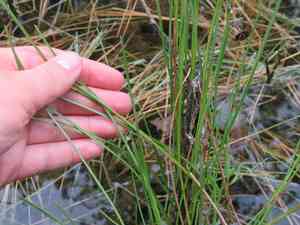
Eleocharis robbinsii, recognized for its delicate, grass-like structure, flourishes with infrequent trimming. Remove withered or compromised stalks in late winter or early spring to foster vigorous development and deter ailments. Refrain from severing too near the base to safeguard emerging sprouts. Consistent thinning improves air circulation and light exposure, vital for an aquatic environment. Strategic pruning encourages a sturdy, appealing presentation and aids in preserving the plant's environmental roles.
What Are the Benefits of Pruning Robbins' Spikerush?
What Are the Benefits of Pruning Robbins' Spikerush?
Pruning Robbins' spikerush encourages robust development and maintains its form. This method aids in managing its expansion, ensuring healthier shoots, and reducing disease risks. Regular trimming also enhances the plant's overall look and resistance to pests.
What Is the Best Time for Pruning Robbins' Spikerush?
What Is the Best Time for Pruning Robbins' Spikerush?
Trimming or cutting back Robbins' spikerush in early spring and winter is advisable as these periods align with the plant's dormant phase, minimizing stress and potential harm. During dormancy, Robbins' spikerush is not actively growing, making it less vulnerable to diseases and pests. Additionally, early spring pruning can stimulate vigorous new growth as the plant enters its active season. Pruning during these times supports the natural growth cycle, fostering better overall health and vitality for Robbins' spikerush.
What Tools Do I Need to Prune Robbins' Spikerush?
Hand Pruners
Perfect for cutting back dead stems or thinning out dense clusters. These offer precision and ease of use for minor, localized trimming.
Sharp Scissors
Useful for detailed trimming and shaping. Scissors assist in intricate work without harming delicate parts of Robbins' spikerush.
Garden Shears
Appropriate for managing larger groupings. Garden shears are sturdier and can effectively handle thicker growths.
How to Prune Robbins' Spikerush
Assess
Examine Robbins' spikerush for any indications of diseased or withered foliage. Carefully check the leaves for discoloration, spots, or any signs of decay.
Prepare
Utilize sterilized pruning shears to prevent disease transmission. You can sterilize them by dipping in a solution of one part bleach to nine parts water.
Remove diseased leaves
Cut off any diseased leaves at their base, close to the stem, to stop the disease from spreading. Ensure the cuts are clean and precise.
Remove withered leaves
Trim away withered leaves by cutting them off at the base. Withered leaves are typically brown and dry to the touch.
Dispose
Immediately discard the removed leaves in a sealed bag to prevent any disease from affecting other plants. Do not compost these leaves as it may spread the disease.
Common Pruning Mistakes with Robbins' Spikerush
Over-pruning
Cutting back too much of the plant at once can stress Robbins' spikerush and potentially hinder its growth.
Improper Technique
Using dull or unsuitable tools can result in jagged cuts, which may lead to disease or pest infestation.
Timing
Pruning at an incorrect time can be detrimental, leading to poor regrowth or damage to the plant's health.
Ignoring Dead Material
Failing to remove dead or damaged stems can impede the plant's overall development.
Common Pruning Tips for Robbins' Spikerush
Use Sharp, Clean Tools
Ensure pruning shears are sharp and sterilized to make clean cuts and prevent the spread of disease.
Prune Lightly
Focus on light trimming rather than heavy cutting. Target no more than one-third of the plant at a time to avoid stressing Robbins' spikerush.
Target Dead or Damaged Stems
Regularly remove any dead, brown, or damaged stems to promote healthier and more vigorous growth.
Cut Close and Clean
Make cuts close to the base of the stem but avoid cutting into the central clump to protect the plant's core structure.



