How to Propagate Robbins' spikerush?
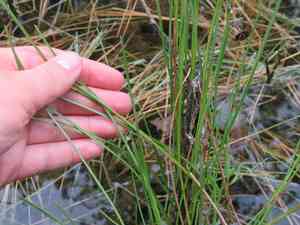
Eleocharis robbinsii is a persistent sedge frequently encountered in aquatic environments. For successful multiplication, employ the method of division, making sure every segment possesses robust roots and nascent stems. Place the divided portions in damp, adequately draining substrate, supplying abundant hydration initially to facilitate establishment. This particular variety thrives in locations ranging from full sun to partial shade. Consistent observation for infestations and moisture levels will contribute to thriving cultivation.
Optimal Period for Robbins' Spikerush Propagation?
Propagation Method
Division
Propagation Period
Spring,Autumn
Tools Required for Robbins' Spikerush Propagation?
Sharp Spade or Garden Fork
Utilized to carefully excavate and elevate robbins' spikerush clumps for separation. This minimizes root system damage, vital for the plant's recovery and development.
Garden Knife or Pruning Shears
Crucial for neatly severing dense robbins' spikerush clumps into smaller portions. Clean cuts lessen plant trauma and lower disease risk.
Root Washing Station or Tub
Helps in rinsing soil from robbins' spikerush roots to better observe and handle the root structure during division. Clean roots are simpler to manage and less prone to rot or infections.
Hand Trowel
Beneficial for transplanting the divided robbins' spikerush sections into new spots. Allows for precise placement and ideal depth for optimal growth.
Plant Labels
Ensures each new robbins' spikerush section is correctly identified and observed. Important for monitoring the growth and health of every propagation.
Watering Can with Fine Rose
Delivers gentle yet thorough watering to newly planted robbins' spikerush divisions, reducing transplant shock and fostering robust growth.
Soil Amendment Tools (e.g., Rake, Hoe)
Aid in preparing the planting site by adjusting soil to the desired consistency for robbins' spikerush. Ensures the soil is loose and well-aerated, promoting healthy root development.
How to Propagate Robbins' Spikerush?
Propagation Type
Easy
How to Care for Your Newly Propagated Robbins' Spikerush?
How to Care for Your Newly Propagated Robbins' Spikerush?
Post-propagation, ensure robbins' spikerush remains in a damp or shallow water environment, mimicking its natural habitat. Regularly check for sufficient water levels and keep the soil or substrate consistently moist. Watch for any signs of stress or illness and provide partial shade if the plant shows dehydration. Fertilize sparingly, as robbins' spikerush typically thrives in nutrient-rich, organic substrates without heavy feeding.
Common Mistakes to Avoid When Propagating Robbins' Spikerush
Lack of Moisture
Insufficiently moist soil can impede successful root formation and cause stress for robbins' spikerush.
Improper Substrate
Using soil types that don't retain enough moisture or provide poor drainage can hinder robbins' spikerush growth and propagation success.
Overexposure to Sunlight
Exposing robbins' spikerush to excessive direct sunlight can lead to plant desiccation and stunted growth, as they prefer partial or filtered sunlight.
Planting Depth Errors
Incorrect planting depth, either too shallow or too deep, can negatively impact robbins' spikerush establishment, leading to poor root development.
Tips For Propagating Robbins' Spikerush
Consistent Moisture
Ensure the growing area stays consistently moist but not waterlogged. Robbins' spikerush prefers wet conditions, similar to its natural environment.
Proper Substrate
Select a substrate that retains moisture well but also drains effectively, such as a blend of loam and organic matter.
Shade Management
Position robbins' spikerush in an area receiving partial shade or filtered sunlight to mimic its natural habitat and prevent excessive heat stress.
Correct Planting Depth
Plant robbins' spikerush at an appropriate depth where roots can establish properly without being exposed or buried too deeply. This ensures better support and nutrient absorption.



