How to Prune Squarestem spikerush?
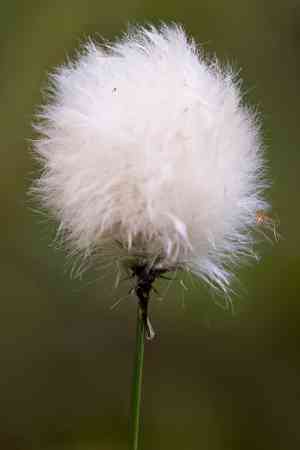
Eleocharis quadrangulata, an identifiable aquatic perennial, is recognized by its four-sided stalks. To control its expansion and foster more robust sprouts, trim Eleocharis quadrangulata in either early spring or during the winter months. Cut away any lifeless or compromised stalks near their origin, and reduce dense clusters to enhance air movement and light exposure. Performing this maintenance during these times enables the plant to recuperate and flourish throughout its vigorous growth phase. Consistent trimming aids in averting ailments and preserving the plant's visual attractiveness.
Advantages of Trimming Squarestem Spikerush
Advantages of Trimming Squarestem Spikerush
Trimming squarestem spikerush encourages robust development and maintains its form by eliminating dead or damaged stems. This fosters healthy growth, prevents overcrowding, and enhances its overall look. Regular trimming also aids in resisting pests and diseases.
Optimal Time for Trimming Squarestem Spikerush?
Optimal Time for Trimming Squarestem Spikerush?
Trimming squarestem spikerush in early spring is perfect as it stimulates vigorous new growth when the plant enters its active season. This timing ensures winter damage is removed, allowing squarestem spikerush to focus energy on healthy stems and foliage. Winter trimming is also suitable since the plant is dormant, reducing stress for squarestem spikerush and lowering disease transmission risk. Additionally, pruning at these times avoids disrupting flowering or fruiting, ensuring squarestem spikerush maintains its aesthetic and ecological roles.
Tools Required for Trimming Squarestem Spikerush?
Manual Hand Shears
Perfect for precise cuts and shaping squarestem spikerush without harming its delicate stems.
Long-handled Pruning Shears
Useful for reaching and trimming the inner and taller parts of squarestem spikerush to prevent density.
Bypass Pruners
Excellent for clean cuts on living growth, minimizing disease risk and ensuring smooth regrowth for squarestem spikerush.
Pruning Knife
Ideal for detailed trimming and removing diseased or dead sections to encourage healthy growth of squarestem spikerush.
Gloves
Crucial for protecting hands from sharp edges and potential irritants while trimming squarestem spikerush.
How to Trim Squarestem Spikerush
Inspect
Examine squarestem spikerush to find any diseased or withered leaves, understanding the plant's health and specific areas needing trimming.
Tools
Gather suitable trimming tools like small bypass pruners or sharp scissors for clean cuts, avoiding damage to healthy parts of squarestem spikerush.
Remove diseased
Carefully cut off all visibly diseased leaves from squarestem spikerush, ensuring complete removal of affected areas to stop disease spread.
Remove withered
Trim off any withered leaves on squarestem spikerush, cutting as close to the stem's base as possible so the plant can focus energy on healthy growth.
Disposal
Discard trimmed diseased and withered leaves away from squarestem spikerush to prevent potential contamination or pests returning to the plant.
Common Trimming Errors with Squarestem Spikerush
Over-pruning
Excessive trimming can stress squarestem spikerush, making it vulnerable to disease and stunted growth. Avoid removing too much foliage at once.
Improper tools
Using dull or unclean tools can harm plant tissue and introduce infections. Always ensure trimming tools are sharp and sanitized.
Incorrect pruning cuts
Poor trimming methods, such as cutting too close to the stem or leaving long stubs, can impede natural regrowth.
Pruning at the wrong height
Cutting squarestem spikerush too low can damage the plant's main structure and hinder its ability to regrow effectively.
Neglecting seasonal growth patterns
Failing to recognize the plant's growth phases can lead to poorly timed trimming, negatively impacting its overall health and vigor.
General Trimming Advice for Squarestem Spikerush
Use clean, sharp tools
Ensure your trimming shears or scissors are clean and sharpened for precise cuts and to reduce disease risk.
Prune with moderation
Trim no more than one-third of the plant's height at a time to prevent shock and encourage steady regrowth.
Cut close to nodes
Make cuts just above the nodes (where leaves attach) to promote new shoots and healthy regrowth.
Monitor and adjust
Regularly check squarestem spikerush for signs of overgrowth or damage, and trim as needed to maintain ideal shape and size.
Remove dead or damaged parts
Promptly remove any dead, diseased, or damaged foliage to maintain plant health and prevent pathogen spread.



