How to Propagate Squarestem spikerush?
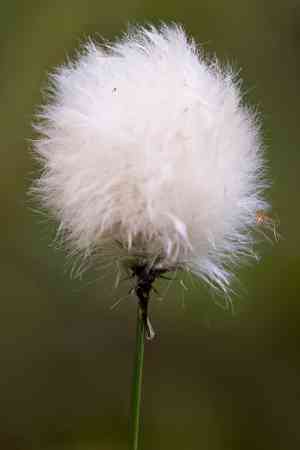
Eleocharis quadrangulata, a perennial aquatic plant, flourishes in damp, marshy environments. Its reproduction mainly occurs through separation. Choose robust specimens, gently dividing their clusters to stimulate development. Verify that the new sections possess roots and sprouts, then place them in comparable saturated surroundings. This technique fosters more compact, vigorous growth and improves their integration into wetland ecosystems. Consistent observation aids in preserving optimal circumstances for effective propagation.
When Is the Optimal Time to Propagate Squarestem Spikerush?
Propagation Type
Division
Propagation Season
Spring,Autumn
What Equipment Is Used for Squarestem Spikerush Propagation?
Spade or Garden Fork
For separating squarestem spikerush clumps from existing specimens. This tool is crucial for carefully lifting and dividing the plant without causing excessive harm to roots or stems.
Sharp Knife or Garden Shears
To precisely cut through the roots and stems of squarestem spikerush during separation. Ensures clean cuts which aid the divided sections in recovering and establishing more quickly.
Rooting Hormone
To stimulate root growth on the divided sections of squarestem spikerush. It helps ensure that the divisions develop healthy and robust root systems rapidly.
Watering Can with Fine Rose
For gentle irrigation of squarestem spikerush after division and planting. Ensures that the soil is moistened without displacing the soil around newly planted divisions.
Plant Labels
To mark the location and date of planted squarestem spikerush divisions. Useful for tracking plantings and monitoring the progress of each division.
Hand Trowel
For planting divided sections of squarestem spikerush into new spots. Provides accuracy in digging small, appropriately sized holes, ensuring minimal disruption to the plant.
Mulch
To safeguard the new divisions of squarestem spikerush and retain soil moisture. Helps in creating a stable microenvironment and suppresses weeds.
Plant Trays or Pots
For temporarily housing divided sections of squarestem spikerush before transplanting them to their permanent location. Allows for root development in a controlled setting.
How to Propagate Squarestem Spikerush?
Propagation Type
Easy
How to Care for Your Newly Propagated Squarestem Spikerush?
How to Care for Your Newly Propagated Squarestem Spikerush?
To care for squarestem spikerush after propagation, maintain a moist environment similar to its natural habitat. Keep the soil consistently damp and ensure that the plants are not exposed to dry conditions. Monitor for signs of disease or pest infestation and apply appropriate treatments when necessary. Periodically remove any debris or competing plants from around squarestem spikerush to reduce competition for resources and encourage healthy growth.
Common Errors to Avoid When Propagating Squarestem Spikerush
Improper Water Management
Excessive or insufficient watering can lead to root rot or desiccation, negatively impacting the plant's ability to establish.
Incorrect Soil Type
Using an unsuitable soil type that does not mimic natural conditions can hinder growth and development.
Insufficient Light
Providing too much or too little light can impede photosynthesis, affecting overall health and growth.
Overcrowding
Planting too many propagules too closely together leads to competition for nutrients and space, stunting growth.
Neglecting Temperature and Humidity
Failing to maintain appropriate temperature and humidity levels can stress the plant, making propagation less successful.
Tips For Propagating Squarestem Spikerush
Optimize Water Management
Maintain consistent moisture levels, ensuring soil is moist but not waterlogged.
Choose Suitable Soil
Select soil that imitates the natural habitat, typically a marshy or moist environment.
Regulate Light Exposure
Provide ample but indirect sunlight, avoiding extreme shade or excessive direct sun exposure.
Space Propagules Appropriately
Ensure sufficient spacing between propagules to reduce competition and promote healthy growth.
Monitor Temperature and Humidity
Maintain optimal temperature and humidity levels to replicate the natural environment, aiding in successful propagation.



