How to Prune Dwarf spike-rush?
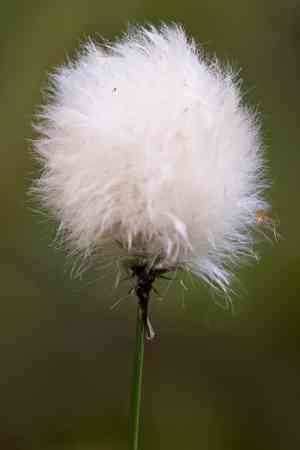
Eleocharis parvula, an aquatic grass-like species, flourishes in damp substrate or shallow aquatic environments, creating thick carpets. Trim Eleocharis parvula by severing deceased or excessively long stalks near their origin throughout its vigorous growth periods in spring, summer, and autumn. This encourages sound development and curbs uncontrolled proliferation. Consistent trimming averts blockages in water installations and guarantees the plant retains its visual appeal. Routine upkeep cultivates strong vitality and an ideal presentation.
What Are the Benefits of Pruning Dwarf Spike-rush?
What Are the Benefits of Pruning Dwarf Spike-rush?
Trimming dwarf spike-rush promotes robust development and maintains its compact form, which is vital in aquatic environments or small gardens. Consistent cutting prevents excessive growth, ensuring peak health and visual appeal.
What Is the Best Time for Pruning Dwarf Spike-rush?
What Is the Best Time for Pruning Dwarf Spike-rush?
Pruning dwarf spike-rush during Spring, Summer, and Fall aligns well with its active growth periods, facilitating quicker recovery and growth after trimming. Spring pruning helps in removing any winter damage and prepares dwarf spike-rush for vigorous new growth. During Summer, regular trimming can help maintain shape and density, enhancing overall health by ensuring adequate light and air penetration. Fall pruning, before the dormancy period, is essential to remove old or dead growth, ensuring that dwarf spike-rush can conserve energy and resources for the upcoming growing season.
What Tools Do I Need to Prune Dwarf Spike-rush?
Aquascaping Scissors
Given the delicate and fine structure of dwarf spike-rush, sharp and precise aquascaping scissors are essential. These scissors enable accurate cuts without harming the slender stems, fostering healthy regrowth.
Fine Pruning Shears
For denser groupings or to sculpt the overall look of dwarf spike-rush, fine pruning shears are recommended. They deliver clean cuts and can efficiently manage slightly thicker sections of the plant.
Tweezers
Crucial for thinning or removing dead material from dwarf spike-rush without significantly disturbing the surrounding area. Tweezers provide the necessary precision for delicate handling.
How to Prune Dwarf Spike-rush
Identify
Locate withered or yellowed leaves on dwarf spike-rush, typically older outer leaves that may appear tattered or dried.
Prepare
Gather sharp, clean scissors or small pruning shears to ensure a precise cut, which helps prevent damage to the remaining healthy tissues of dwarf spike-rush.
Trim
Carefully snip off the withered leaves at their base where they meet the soil or just above healthy tissue, avoiding any green parts.
Dispose
Properly discard the removed withered leaves to prevent potential pest issues or diseases from spreading in the planting area.
Monitor
Regularly observe dwarf spike-rush after pruning to ensure healthy regrowth and promptly address any new signs of wilting or stress in the plant.
Common Pruning Mistakes with Dwarf Spike-rush
Over-pruning
Cutting back dwarf spike-rush too severely can compromise its structural integrity and hinder its ability to thrive. This species benefits most from minimal, gentle trimming, as excessive shoot removal can limit its growth and vitality.
Improper technique
Using dull or dirty tools can harm the delicate shoots of dwarf spike-rush. It's vital to use sharp, sterilized pruning shears to make clean cuts that encourage healthy regrowth.
Inadequate hydration
Pruning dwarf spike-rush when it is dry can stress the plant. Ensuring the plant is sufficiently hydrated before beginning the pruning process can lead to a healthier, more resilient plant post-pruning.
Common Pruning Tips for Dwarf Spike-rush
Gentle trimming
For dwarf spike-rush, light trimming of the tips is often sufficient. This promotes branching and results in a fuller appearance. Avoid cutting into the thick, fleshy parts of the stems unless absolutely necessary.
Clean tools
Always prune with sharp and clean tools to prevent damaging the delicate stems of dwarf spike-rush and introducing pathogens. Sterilize your pruning equipment before use to maintain plant health.
Consistent maintenance
Regular, light pruning is preferable over infrequent, heavy pruning. This approach helps maintain the shape and density of dwarf spike-rush, while promoting continuous growth and preventing shock from substantial biomass loss.



