How to Propagate Dwarf spike-rush?
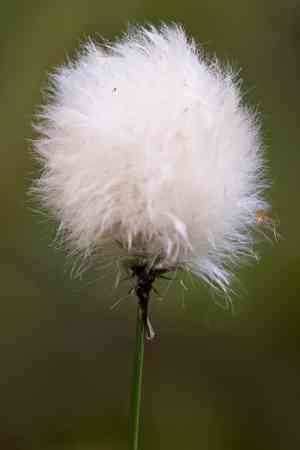
Dwarf spike-rush is successfully multiplied by seeding. For optimal development, the planting substrate needs to be continuously damp and drain efficiently. Cultivating in a shallow aquatic environment enables dwarf spike-rush to flourish, replicating its native marshland conditions. Verify that the surroundings provide abundant solar exposure, which is vital for the robust proliferation of this variety. Exercise caution when handling the seeds to preserve their potential for germination throughout the planting procedure.
Optimal Time for Dwarf Spike-rush Propagation
Propagation Method
Seeding
Propagation Period
Spring
Tools for Dwarf Spike-rush Propagation
Aquatic Planting Basket
An aquatic planting basket is crucial for cultivating dwarf spike-rush, especially when propagation involves seeding. This container helps confine the soil and roots within a defined space, preventing the dispersal and loss of tiny seeds or young plants in a watery setting. Its mesh construction allows for efficient water and nutrient circulation, ensuring the roots of dwarf spike-rush receive ample aeration and remain healthy.
Fine-Textured Aquatic Soil
Fine-textured aquatic soil supports the seeding and initial growth phases of dwarf spike-rush. This soil type aids in retaining essential moisture and nutrients, providing a stable environment for delicate roots. Furthermore, its fine texture is particularly beneficial for dwarf spike-rush, facilitating seed distribution and rooting without the risk of seeds being buried too deeply or washed away.
Small Watering Can or Spray Bottle
For seeding dwarf spike-rush, a gentle watering technique is vital to avoid dislodging the small seeds. A spray bottle or a watering can with a fine spray nozzle ensures the soil is moistened delicately, preventing any harsh water impact that might disturb seed placement. This tool also helps maintain humidity around dwarf spike-rush, which is critical for germination in an aquatic environment.
Tweezers or Fine Forceps
Given the delicate nature of dwarf spike-rush during the seeding phase, tweezers or fine forceps are indispensable for precisely handling tiny seeds without causing damage. These instruments allow for accurate placement of seeds in the desired propagation area, thereby increasing the likelihood of successful germination and growth.
How to Propagate Dwarf Spike-rush?
Propagation Type
Simple
Caring for Newly Propagated Dwarf Spike-rush
Caring for Newly Propagated Dwarf Spike-rush?
Dwarf spike-rush thrives in saturated or consistently moist conditions, ideally in full sun to partial shade. After propagation, ensure the water level is maintained, and gradually introduce the young plants to more direct sunlight. Regularly monitor and manage the aquatic environment to prevent the proliferation of algae and competing invasive species. Periodically thin the plants to avoid overcrowding.
Common Propagation Mistakes for Dwarf Spike-rush
Overcrowding
Planting dwarf spike-rush too closely can restrict their access to nutrients and light, hindering growth and reducing the vitality of new shoots. Densely packed conditions can also encourage the spread of diseases.
Excessive water
While dwarf spike-rush flourishes in damp conditions, overwatering, especially in non-aquatic setups, can lead to root rot and fungal infections, which impede the plant's ability to establish and grow.
Inadequate substrate
Using an unsuitable substrate can hinder the rooting of dwarf spike-rush. Dense soils can impede root development, whereas overly loose substrates might not provide sufficient support or nutrients.
Tips For Propagating Dwarf Spike-rush
Light conditions
Maintaining moderate illumination will support the robust growth of dwarf spike-rush, aiding in the strong development of runners which are essential for its propagation.
Suitable substrate
Utilizing a nutrient-rich, sandy substrate mimics dwarf spike-rush's natural habitat, promoting better root spread and healthier growth conducive to successful propagation.
Regular division
Periodically dividing dwarf spike-rush ensures that the plant doesn't become too dense, allowing each section adequate space to grow and reducing competition for nutrients.



