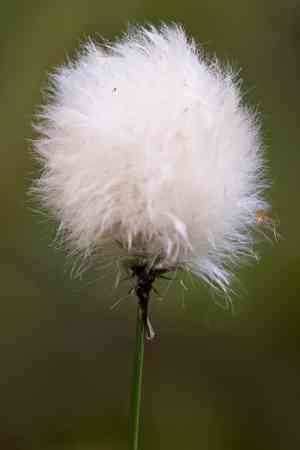
Dwarf spike-rush (Eleocharis parvula)
Also known as: Barbed spikerush
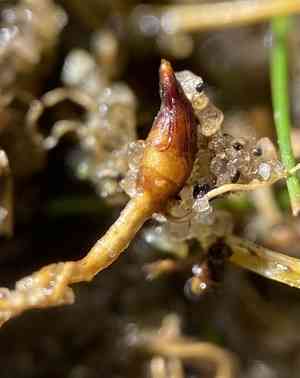
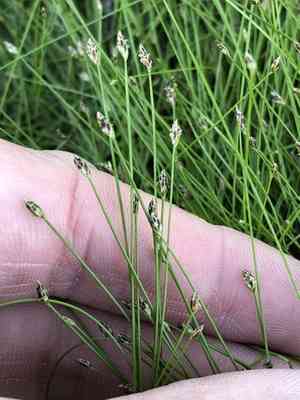
This perennial herb is recognized by its compact, tufted growth, with stems that are spongy and compressible, reaching up to 10 cm in height. It emerges from a distinctively shaped tuber, either J-shaped or resembling a horseshoe, which is a key identifying feature. Its inflorescence consists of a small, oval spikelet, measuring only 2 to 3 millimeters in length, and comprises numerous minute flowers.
In This Article
Attributes of Dwarf spike-rush
Lifespan
Annual, Perennial
Plant Type
Grass
Plant Height
30 cm to 91 cm
Spread
N/A
Leaf Color
Green
Flower Size
Tiny, almost inconspicuous flowers
Flower Color
Brownish
Images of Dwarf spike-rush
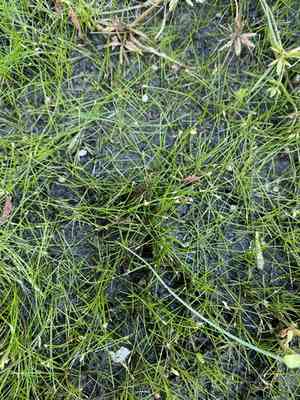
Quickly Identify Dwarf spike-rush
1
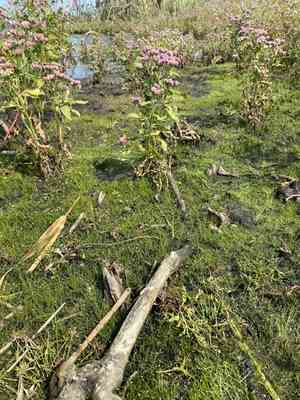
Look for its fine, hair-like leaves and its tendency to form dense clumps. It is usually found growing submerged in water bodies.
Scientific Classification of Dwarf spike-rush
Phylum
Vascular plants
Class
Monocotyledons
Order
Poales
Family
Sedge
Genus
Eleocharis
Species
Dwarf spike-rush
Planting and Growing of Dwarf spike-rush
Care Difficulty
Easy
Watering Schedule
Every 6 days
Sunlight Requirements
Partial sun
Sunshine Duration
4-8 hours
Ideal Temperature
68-75℉
Soil Type
Potting Mix, Peat Mix
Soil pH
6.5-7.5
Fertilizer Type
Balanced
Pruning Season
Spring, Summer
Pruning Area
Branches, Leaves
Pruning Frequency
2 times a year
Repotting Season
Spring
Pot Type
Plastic, Ceramic
 How to Water Dwarf spike-rush?
Eleocharis parvula thrives in consistently moist conditions, akin to its natural wetland habitat. It's crucial to ensure the soil remains saturated but not submerged, using around 100 ml of water per watering. Observe the water absorption and adjust slightly if necessary to avoid pooling.
What are the symptoms of an underwatered Dwarf spike-rush?
›
What should I do if my Dwarf spike-rush is not getting enough water?
›
What are the symptoms of an overwatered Dwarf spike-rush?
›
How to save an overwatered Dwarf spike-rush?
›
 What Are the Sunlight Requirements for Dwarf spike-rush?
Partial sun exposure ensures that Eleocharis parvula receives enough light to perform photosynthesis while avoiding the risk of sunburn. This balance is crucial for its robust and healthy development.
How much light does Eleocharis parvula need?
›
What are the benefits of ideal lighting?
›
How to achieve ideal lighting for this plant?
›
 What Is the Ideal Temperature Range for Dwarf spike-rush?
The ideal temperature range for Eleocharis parvula is between 68°F to 75°F. This range ensures optimal growth and supports healthy foliage development. These conditions replicate the natural environments where this plant thrives, providing stability and promoting robust growth.
 What Soil is Best for Dwarf spike-rush?
Eleocharis parvula thrives in well-draining soils. Ensuring good drainage prevents waterlogging, which can lead to root rot. The plant will have healthier, more robust growth when planted in soil that doesn't retain excessive moisture. Rich soils with sufficient nutrients like nitrogen, phosphorus, and potassium support the growth of Eleocharis parvula. Nutrient-rich soils promote lush, vibrant foliage and improve the plant's overall vigor. While Eleocharis parvula prefers well-drained soil, it also benefits from moisture-retentive properties. This balance ensures the roots receive adequate moisture without being saturated, supporting consistent growth.
 How to Fertilize Dwarf spike-rush?
For Eleocharis parvula, applying too much fertilizer can cause detrimental effects. A general recommendation would be to apply a liquid fertilizer at a diluted concentration of around 1/4 the suggested strength for aquatic plants. For solid fertilizers, use small amounts, not exceeding a few granules near the plant base.
 How to Prune Dwarf spike-rush?
Before pruning Eleocharis parvula, turn off any filtration systems to have clear visibility and avoid scattered debris. Gather necessary tools like scissors and a collection cup for cutting and cleanup. Trim the leaves of Eleocharis parvula at a few centimeters above the substrate using small, gentle snips. Ensure you do not uproot the plant, and aim for a uniform cut height across the plant bed. After cutting, carefully remove the clipped leaves using a net or siphon to prevent them from decaying in the water and fouling the environment. This keeps the tank clean and healthy post-pruning.
More About Pruning Techniques→
 How to Propagate Dwarf spike-rush plant?
1
Select a healthy parent plant of Eleocharis parvula for division. Ensure it is mature and has an extensive root system. This preparation is vital for a successful propagation.
2
Gently remove the plant from its container and shake off excess soil. Use a sharp knife or spade to divide the root mass into sections, ensuring each section has enough roots and shoots.
3
Plant the divided sections into individual pots or a prepared area in the garden. Ensure they have sufficient space to grow and are positioned at the same depth as the original plant.
 How to Repot Dwarf spike-rush plant?
1
Eleocharis parvula signals the need for repotting when its growth becomes stunted or roots start emerging from the drainage holes. These signs typically indicate the plant has outgrown its current space. Optimal timing for repotting is during the warmer months of spring or early summer, allowing the plant a full growing season to settle into its new environment.
2
Select a pot that is only marginally larger than the current one, approximately 1-2 inches bigger in diameter. A pot with plenty of drainage is essential to avoid waterlogging and ensure healthy root development. The slight increase in size will encourage growth without overwhelming the plant, while good drainage prevents root rot.
3
Opt for rich, well-draining soil that retains moisture while allowing excess water to flow away. This balance is crucial for Eleocharis parvula, as it thrives in humid conditions but is susceptible to root rot. Proper soil mix enhances root aeration and ensures the plant receives adequate nutrients for robust growth.



