How to Prune Gulf coast spikerush?
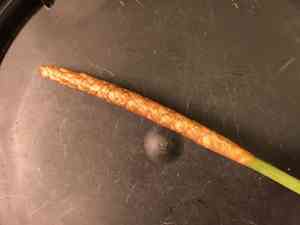
The Gulf coast spikerush, recognized for its thick, grass-like leaves and marshy environment, thrives with trimming in the early spring or late winter period. Trim away aged and compromised stalks to foster vigorous, fresh development and preserve a neat look. Eliminating decayed matter aids in averting ailments and encourages strong regeneration. Exercise caution when pruning to prevent harm to the root system, which is vital for water uptake and anchoring. Consistent trimming boosts the plant's vitality and its general attractiveness in horticultural displays.
What Are the Benefits of Pruning Gulf Coast Spikerush?
What Are the Benefits of Pruning Gulf Coast Spikerush?
Trimming gulf coast spikerush promotes robust development and keeps its form manageable. By eliminating dead or overgrown sections, you foster vigorous growth, enhance its look, and prevent potential issues with pests and diseases. Consistent upkeep boosts the plant's overall health and lifespan.
What Is the Best Time for Pruning Gulf Coast Spikerush?
What Is the Best Time for Pruning Gulf Coast Spikerush?
Pruning in early spring or late winter is ideal for gulf coast spikerush as it coincides with the plant's dormant period, minimizing stress and potential harm. This timing allows the plant to direct energy towards new growth and recovery as it enters its active phase in spring. Furthermore, pruning before the growing season lowers the risk of diseases and pests, which are more common in warmer months. These periods ensure gulf coast spikerush stays healthy and strong, encouraging vigorous development and blooming.
What Tools Do I Need to Prune Gulf Coast Spikerush?
Hand Pruners/Shears
Perfect for cutting the slender stalks closer to the base. Hand pruners enable precise cuts, crucial for preserving the plant's overall health and appearance.
Sharp Scissors
Utilized for trimming the finer, delicate tips of gulf coast spikerush. Scissors offer control and accuracy for detailed work, which is vital given the plant's structure.
Gloves
Essential for safeguarding hands while cutting the finer, sometimes sharp stems. Gloves ensure safety and comfort during the pruning process.
Disinfectant Solution
Used for cleaning cutting implements before and after pruning to stop the spread of illness. Maintaining hygiene is critical for keeping gulf coast spikerush healthy.
How to Prune Gulf Coast Spikerush
Identify
Inspect gulf coast spikerush for any indications of diseased or withered foliage. Diseased leaves might show discoloration or spots, while withered leaves will appear dry and brittle.
Sanitize
Prior to starting, sterilize your pruning tools with a solution of one part bleach to nine parts water to prevent disease transmission.
Remove diseased
Carefully remove any diseased leaves by cutting them at the point where they connect to the main stem. Dispose of the removed foliage away from the garden to prevent any fungal or bacterial spread.
Cut withered
Trim away withered leaves by cutting them close to the base. This promotes healthy growth and allows the plant to reallocate energy to new development.
Monitor
Regularly observe gulf coast spikerush after pruning to ensure no new signs of disease emerge and to check for any new withered leaves. Repeat the pruning process as needed to maintain plant health.
Common Pruning Mistakes with Gulf Coast Spikerush
Over-pruning
Removing too many stems and leaves can stress gulf coast spikerush and reduce its ability to perform photosynthesis effectively.
Incorrect cutting techniques
Using dull or unsuitable tools can result in jagged cuts, leading to increased susceptibility to diseases and pests.
Pruning at the wrong growth stage
Cutting gulf coast spikerush during its active growth period can disrupt its natural growth cycle and impede its development.
Not sterilizing tools
Failing to clean pruning tools before use can introduce pathogens to the plant, increasing the risk of infections.
Common Pruning Tips for Gulf Coast Spikerush
Use clean, sharp tools
Ensure that pruning shears or scissors are sterilized and sharp to make clean cuts, which aids in rapid healing and reduces disease risk.
Prune to shape and manage growth
Trim back any overgrown or unruly stems to maintain the desired form and to control the spread of gulf coast spikerush.
Remove dead or damaged stems
Regularly inspect and prune out any dead, damaged, or diseased stems to improve air circulation and the overall health of gulf coast spikerush.
Limit the extent of pruning
Avoid cutting more than one-third of the plant at any given time, as this allows gulf coast spikerush to recover more effectively and maintain its vitality.



