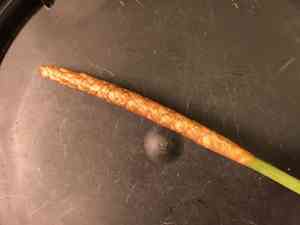
Gulf coast spikerush (Eleocharis cellulosa)
Also known as: Cellulose Spike-rush
A plant that flourishes in wetlands and marshy areas is the common reed. It creates a thick mat of vegetation with its hollow, tubular stems and upright, slender stalks that bear feathery, spike-like flower clusters. This hardy plant not only stabilizes soil but also contributes to water purification, offering essential habitat for numerous aquatic species.
In This Article
Attributes of Gulf coast spikerush
Lifespan
Perennial
Plant Height
30 cm to 91 cm
Spread
N/A (Crown diameter is not typically applicable for monocots like Eleocharis cellulosa)
Leaf Color
Bright green
Flower Size
Smaller than 1 cm, not typically showy
Flower Color
Brownish or greenish
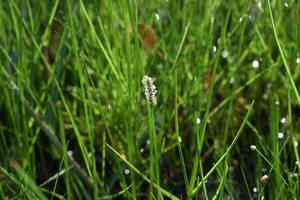
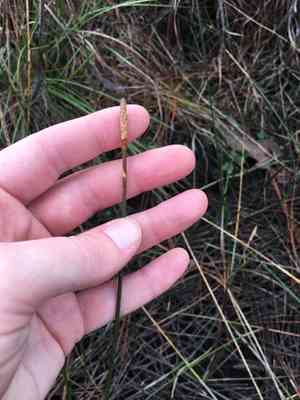
Images of Gulf coast spikerush
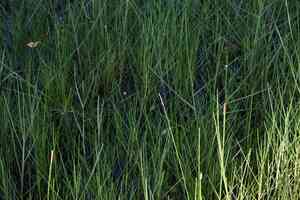
Quickly Identify Gulf coast spikerush
1
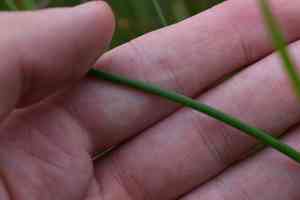
Identifying Eleocharis cellulosa involves noting its hollow, cylindrical stems, which are often spongy or filled with a pithy substance. Its stems are typically bright green and can often be found emerging from shallow water or mud.
Scientific Classification of Gulf coast spikerush
Phylum
Vascular plants
Class
Monocotyledons
Order
Poales
Family
Sedge
Genus
Eleocharis
Species
Gulf coast spikerush
Planting and Growing of Gulf coast spikerush
Care Difficulty
Easy
Watering Schedule
Every 4 days
Sunlight Requirements
Full sun
Sunshine Duration
6-10 hours
Ideal Temperature
75-85℉
Soil Type
Potting Mix, Peat Mix
Soil pH
5.5-7.5
Fertilizer Type
Balanced
Pruning Season
Spring, Summer
Pruning Area
Branches, Leaves
Pruning Frequency
2 times a year
Repotting Season
Spring
Pot Type
Plastic, Ceramic
 How to Water Gulf coast spikerush?
Eleocharis cellulosa, commonly known as the spikerush, thrives in moist conditions. Watering should be sufficient to maintain a consistently saturated environment, mimicking a marshy habitat. Always ensure the top layers of soil are wet but not waterlogged.
What are the symptoms of an underwatered Gulf coast spikerush?
›
What should I do if my Gulf coast spikerush is not getting enough water?
›
What are the symptoms of an overwatered Gulf coast spikerush?
›
How to save an overwatered Gulf coast spikerush?
›
 What Are the Sunlight Requirements for Gulf coast spikerush?
Maintaining Eleocharis cellulosa in full to partial sunlight environments ensures healthy photosynthesis, offering benefits such as robust growth and aesthetic prosperity.
What is the ideal light condition?
›
How can ideal lighting be achieved?
›
What are the benefits of ideal lighting?
›
 What Is the Ideal Temperature Range for Gulf coast spikerush?
Eleocharis cellulosa thrives best at a temperature range of 75°F to 85°F. This range ensures that the metabolic processes of the plant operate optimally and encourages healthy growth. Such conditions are typically found in subtropical or tropical climates, which is favorable for maintaining its growth cycle throughout the year.
 What Soil is Best for Gulf coast spikerush?
Eleocharis cellulosa thrives in soils that retain moisture well. The plant benefits from consistent moisture levels as it aids in nutrient uptake and supports its vigorous growth, making it ideal for wetland areas. This plant favors soils rich in organic matter. The abundant nutrients foster robust growth and vibrant foliage, which is crucial for its ecological role in habitats where it acts as a soil stabilizer. While Eleocharis cellulosa enjoys moist conditions, it still requires soil that drains well to prevent root rot. Proper drainage ensures the roots receive adequate oxygen, promoting healthy plant development.
 How to Fertilize Gulf coast spikerush?
For Eleocharis cellulosa, the correct amount of fertilizer ensures healthy growth. Generally, use a balanced liquid fertilizer diluted to half strength, approximately 1/4 teaspoon per gallon of water monthly. For solid fertilizers, a standard slow-release formula of around 30-50 grams per application is suitable for the plant. Fertilizer amounts should be adjusted based on the plant's response and environmental conditions.
 How to Prune Gulf coast spikerush?
Begin by identifying which parts of your Eleocharis cellulosa need trimming. Look for brown, yellowed, or mushy segments, as these indicate unhealthy portions that should be removed to make way for new growth. When pruning, locate the base of the stem but ensure you're cutting just above it. This encourages new, healthy shoots to emerge while reducing the risk of cutting too deep, which can harm the plant. After trimming, always dispose of your cuttings away from other plants to prevent any disease spread. Clean your tools with a mild disinfectant after each use to maintain their condition and reduce cross-contamination risks.
More About Pruning Techniques→
 How to Propagate Gulf coast spikerush plant?
1
Ensure the soil is moist and rich in organic matter. A well-draining soil mix should be used to avoid waterlogging, which can hinder seed germination and root development.
2
Scatter seeds evenly over the prepared soil surface and lightly cover them with a thin layer of soil. Water gently to keep the soil moist but not soggy, which encourages germination.
3
Carefully dig up mature plants and separate them into smaller sections, ensuring each has roots attached. Replant these divisions in suitable locations with adequate water to promote new growth.
 How to Repot Gulf coast spikerush plant?
1
Repotting Eleocharis cellulosa is best timed when you observe the roots growing out of the drainage holes or when growth appears stunted. Spring is ideal as it coincides with the plant's natural growing season, allowing it to recover quickly. Regular inspection is key to determine the right moment.
2
Choose a pot that is just one size larger than the current one. This allows ample room for growth without overwhelming the plant, which can lead to water retention issues. Ensure the pot has good drainage holes to prevent root rot, benefiting the plant's health and ensuring robust growth.
3
Opt for loamy, well-draining soil to mimic the natural environment of Eleocharis cellulosa. This type of soil allows for adequate air and moisture balance, preventing waterlogging and promoting healthy root development. The right soil mix retains necessary nutrients and reduces the risk of fungal infections.



